
China exports inflation relief to developed markets, Goldman says
Goldman Sachs says rising Chinese exports have cut goods prices in developed markets, while U.S.-China trade data show tariff gaps.
By Hana Yoshida · Markets Reporter
3 min read
China exports inflation relief to developed markets as its goods shipments expand and imports weaken, according to Goldman Sachs. The bank said cheaper Chinese goods are helping reduce goods prices outside the U.S., a notable effect at a time when many economies are still trying to return inflation to central-bank targets.
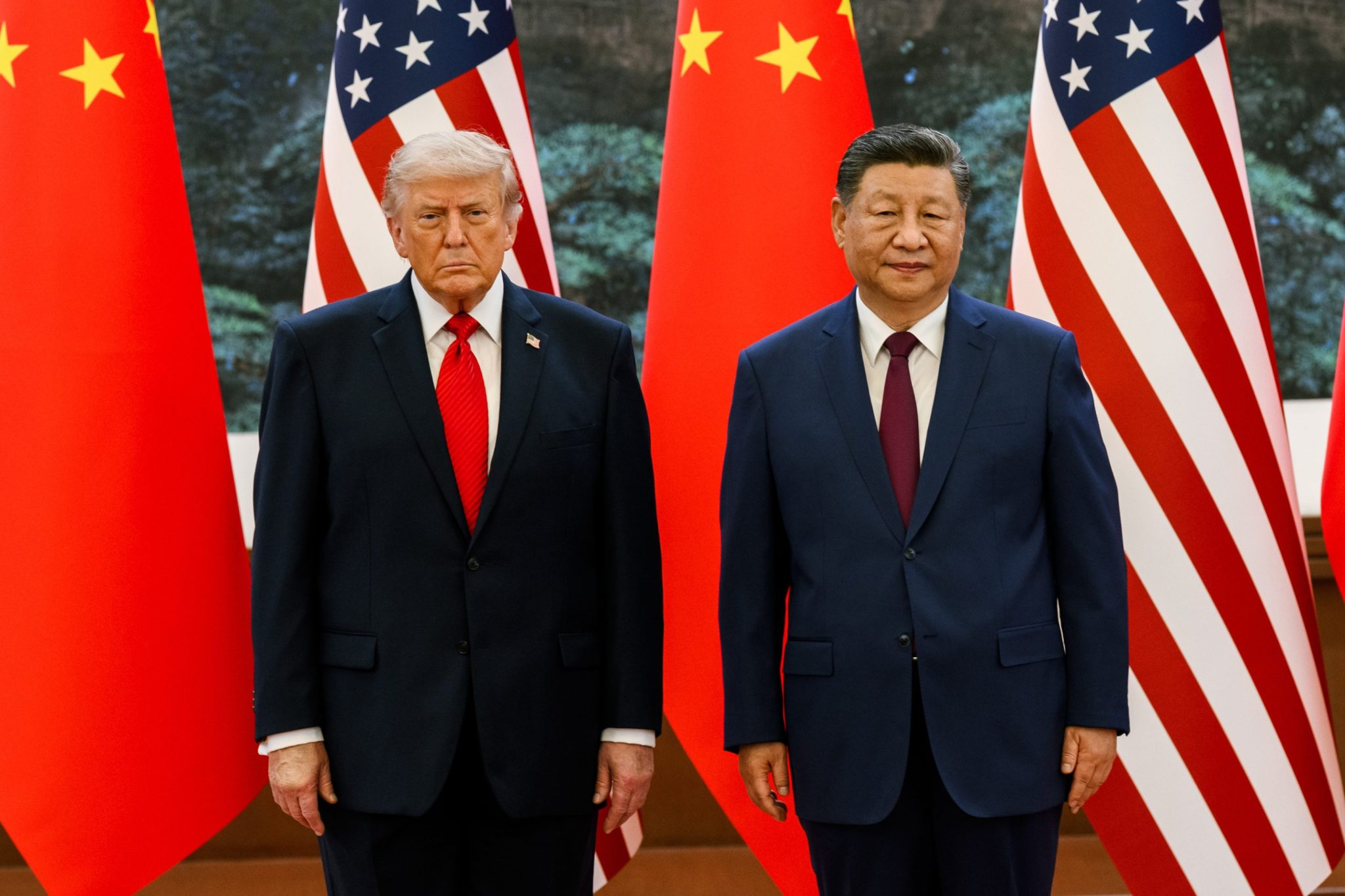
The finding comes after President Donald Trump’s April 2, 2025, “Liberation Day” tariffs, which were aimed in part at China and reflected his push to protect domestic industry through trade barriers. Trump imposed tariffs on China of up to 50%, according to China Briefing, before the U.S. Supreme Court ruled them illegal.
Chinese export growth has continued despite those pressures. Chinese government customs data show shipments to the U.S. worth $43 billion in June and nearly $216 billion for the year to date, while imports from the U.S. were reported at $14.6 billion in July.
The trade balance remained heavily tilted toward China. The General Administration of Customs reported that exports to the U.S. rose 0.2% from a year earlier, while imports fell 0.8%.
How are China exports lowering inflation?
Goldman Sachs said Chinese exporters have expanded sales to developed markets outside the U.S. since the pandemic, with some trade shifting away from the U.S. Megan Peters of Goldman wrote that China has also reduced purchases from abroad as Beijing pushes for more self-sufficiency.
Goldman’s trade and inflation analysis found that, since 2024, each 1 percentage point increase in Chinese exports to a country has been associated with a 0.5% drop in goods prices. Across non-U.S. developed markets, the bank estimated that the trade effect has lowered goods prices by 0.6% on average so far.
Lower goods prices can ease inflation because households pay less for imported products and local sellers face more price competition. The effect can also put pressure on domestic producers if imported goods sell at prices they struggle to match.
Goldman cited several categories where Chinese demand for foreign products has dropped. The bank’s data show China’s imports of makeup and skincare products have fallen about 55% since 2023, while automotive imports have dropped by roughly the same amount since mid-2023.
Imports of clothing and accessories, along with medical and pharmaceutical products, have fallen by more than 20% compared with the pre-pandemic trend, Goldman said.
Why do U.S. and Chinese trade numbers differ?
U.S. Census Bureau data show a much smaller flow of Chinese goods into the U.S. than China reports sending. The Census Bureau has recorded $104 billion of imports from China so far this calendar year, or about $20 billion a month on average.
UBS economist Paul Donovan said the gap is not a shipping issue. He wrote that the distortion is unusual in U.S.-China trade and said importers may pay lower tariffs, or none, if goods from China are not identified as Chinese.
Donovan described the discrepancy as evidence that tariffs are being avoided. The difference suggests the trade war may have changed behavior among Chinese consumers and businesses more than it has reduced U.S. reliance on Chinese goods.
Goldman said the U.S. is less likely to share in the longer-term disinflationary effect because of the trade restrictions. Peters wrote that Chinese trade flows are one reason inflation in major developed markets is likely to move back toward central-bank targets in coming years, alongside a broader balance between domestic supply and demand.
This story draws on original reporting from Fortune.