
CBS News turmoil puts Bari Weiss overhaul under scrutiny
Leadership experts told Fortune that abrupt disruption can undermine change as CBS News faces staff unrest and a 60 Minutes shake-up.
By Hana Yoshida · Markets Reporter
4 min read
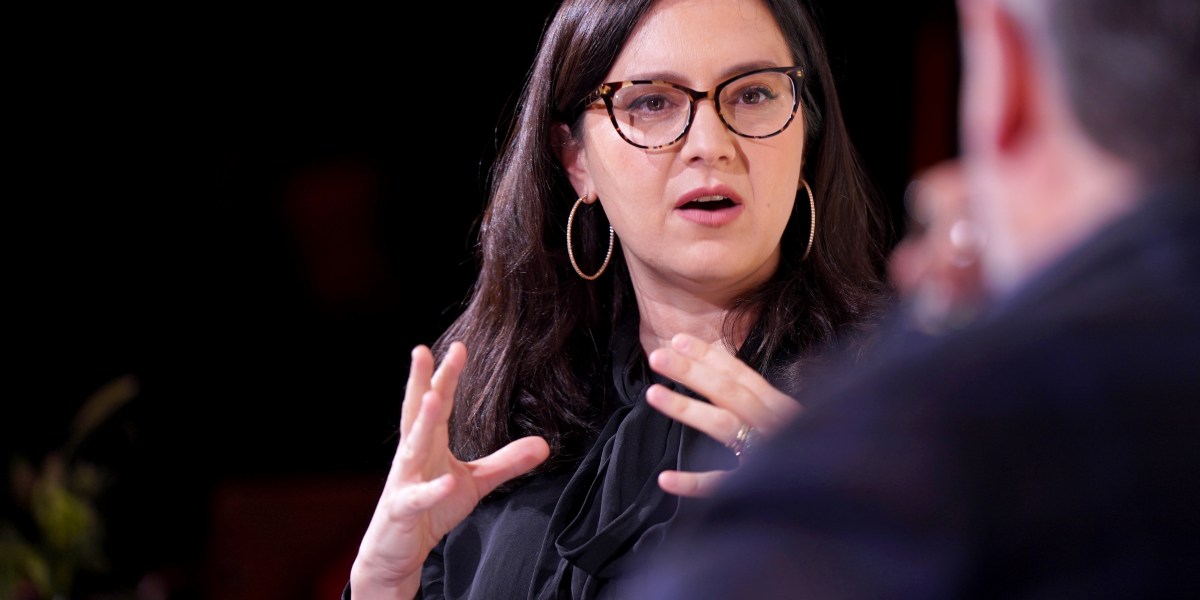
Bari Weiss’s effort to remake CBS News has escalated into a public fight over staffing, editorial control and the future of 60 Minutes. The clash matters because Paramount hired Weiss to revive a legacy newsroom, while leadership specialists told Fortune that abrupt overhauls can damage trust before they produce results.
Paramount CEO David Ellison put Weiss in charge of reshaping CBS News after the company bought her publication, The Free Press, in October, Fortune reported. CBS News has been dealing with an older audience, programs trailing competitors and fallout from Paramount’s $16 million settlement of a lawsuit brought by the Trump administration, according to Fortune.
The Wall Street Journal reported that Weiss told colleagues early in the job, “I wanna blow this up.” Since then, the New Yorker has reported that some staff members worry she is weakening editorial standards, and the New York Times has reported that critics accused her of intervening in coverage in ways favorable to the Trump administration. Weiss has denied those accusations, according to the Times.
Fight over 60 Minutes
The sharpest break came after veteran 60 Minutes correspondent Scott Pelley clashed with Nick Bilton, whom Weiss had hired as executive producer of the program, the New York Times reported. Pelley questioned Bilton’s qualifications to lead the broadcast, citing his lack of broadcast news experience, and said Bilton would not be welcome at the show, according to the Times.
After Pelley was removed, Weiss told the newsroom that CBS had tried to work with him and “find a way back,” but could not, Fortune reported. CBS News told CNN that Pelley’s claims were not credible and said there is no political interference at the organization.
The fight landed at a program that remained one of CBS’s strongest assets. Pelley told the New York Times that 60 Minutes had just completed what he called a “triumphal year,” and Fortune reported the show averaged 9.1 million viewers in its most recent season, up 9% from the prior season.
Pelley also said staff wanted an explanation for the departures of several prominent 60 Minutes figures, including executive producer Tanya Simon and correspondent Sharyn Alfonsi, according to Fortune. The Times reported that Alfonsi accused Weiss of political interference after Weiss pulled a planned segment on torture in a Salvadoran prison receiving Trump administration deportees. Weiss said the segment was not ready and asked reporters to seek more comment from the White House, according to the Times.
Leadership experts urge restraint
Ronald Heifetz, a senior lecturer in public leadership at the Harvard Kennedy School, told Fortune that leaders often overrate disruption. “A generation of people actually believe that disruption is virtue, and that’s an enormous mistake,” he said.
Heifetz told Fortune that leaders changing large, successful organizations should preserve practices and skills that still work while adding new ones carefully. Amy Edmondson, a Harvard Business School professor, told Fortune that leaders need to explain why change is needed in clear terms or employees will supply their own explanations.
Rita McGrath, an author and Columbia Business School executive education academic director, told Fortune that Weiss has not made the case for CBS News’ future compelling enough for the people affected by the changes. Fortune reported that Weiss has described her goals as rebuilding audience trust, developing brands around talent and adopting a streaming-focused approach.
Bilton signaled a more consultative plan in an introductory message to 60 Minutes staff, saying he wanted to meet with the team, hear what they were working on and return in about 30 days with ideas for where to go next, Fortune reported. Edmondson told Fortune that leaders who share what they are learning and adjust to evidence can encourage others to do the same.
McGrath told Fortune that effective turnarounds require a planned, systematic effort to remove barriers. The CBS dispute now tests whether Weiss and Paramount can pair their push for change with enough internal trust to keep the newsroom focused on its work.
This story draws on original reporting from Fortune.