
Bloomberg criticizes possible Trump stakes in AI firms
Michael Bloomberg warned that federal ownership of AI companies could fuel cronyism and blur Washington’s role as regulator.
By Hana Yoshida · Markets Reporter
2 min read
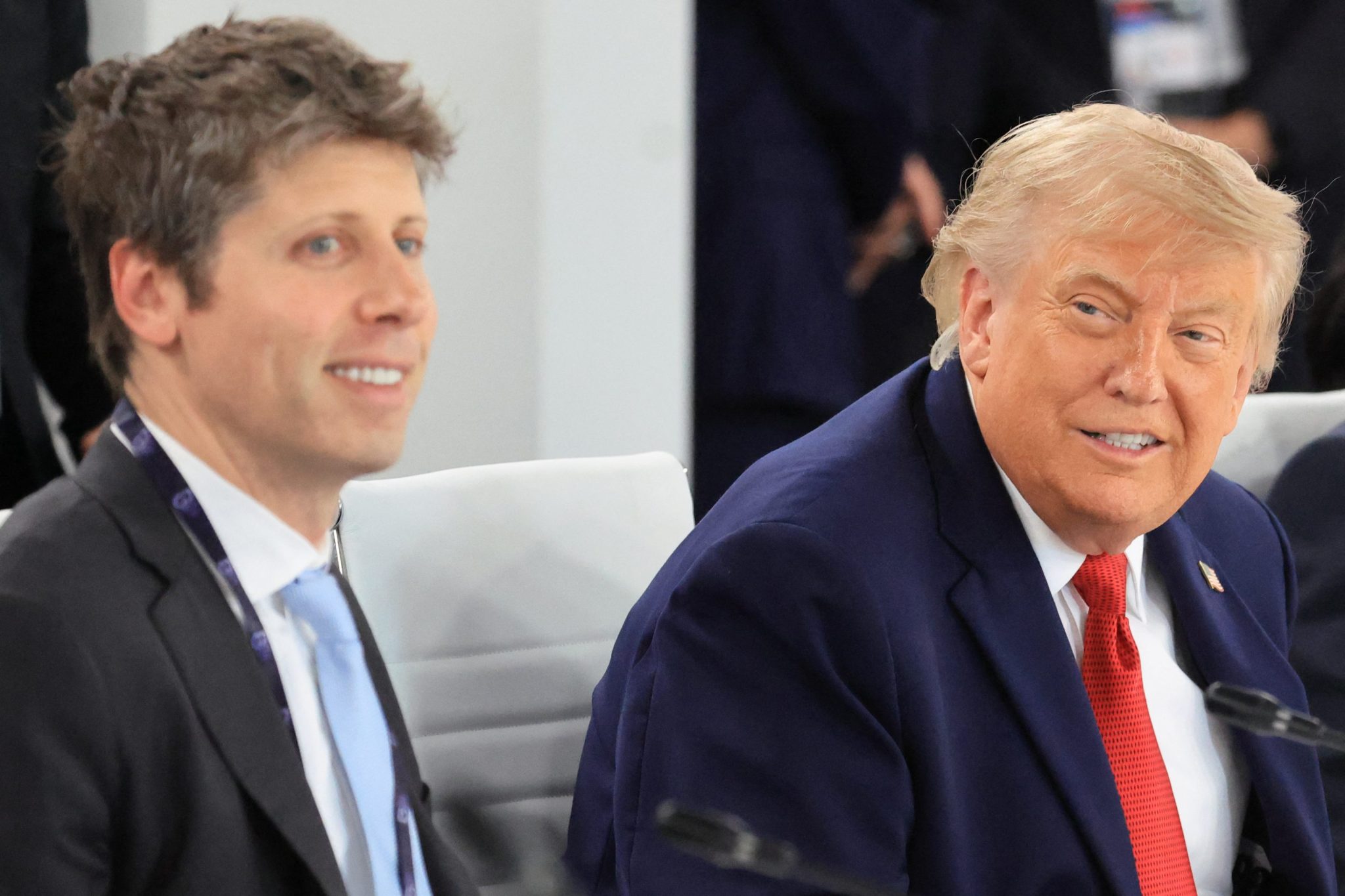
Michael Bloomberg criticized President Donald Trump’s consideration of federal stakes in artificial intelligence companies, warning that the idea could turn Washington into a profit-seeking player in an industry it is supposed to oversee. The debate matters because, according to Fortune, rising AI costs, Chinese competition and national-security concerns are putting pressure on the U.S. model for financing the technology.
Fortune reported that the early U.S. approach to the AI boom has relied on private investors to supply capital and take on risk, with companies holding the upside from breakthroughs before eventually offering shares to public investors. In China, Fortune reported, companies still compete for funding and customers, while the government supplies computing power.
That division is under strain in the United States, Fortune reported, as the White House weighs whether the government should take ownership positions in AI companies. Fortune also reported that some on the populist left and right, along with AI companies, have praised the idea.
Bloomberg, the founder of Bloomberg LP and a former New York City mayor, rejected the proposal in a Bloomberg Opinion column published Monday. He argued that a government equity stake would shift the federal role from referee to investor, creating incentives tied to company profits and opening the door to “cronyism.”
Bloomberg framed the idea as a move toward central planning. “Somewhere, Karl Marx is smiling,” he wrote, adding that the potential for propaganda would “make George Orwell blush.”
Bloomberg wrote that Americans do not need the government to own AI firms to benefit from the technology. Once companies sell shares to the public, he argued, individuals can invest directly if they choose.
He also argued that the public already gains from AI through practical uses in areas such as fraud detection, medical research and bookkeeping. Bloomberg wrote that broader economic growth from those uses could eventually produce more tax revenue for public services.
Bloomberg said that if AI companies are not returning enough value to the public, Congress and the administration should address that through the tax system rather than by buying stakes in the businesses. He warned that federal shareholdings could distort markets and pull decisions into what he described as a “smoke-filled backroom.”
The column places Bloomberg against a proposal that Fortune said has drawn support from unlikely corners of U.S. politics and from within the AI industry. His argument centers on the risk that government ownership would weaken oversight by giving federal officials a financial interest in the companies they regulate.
This story draws on original reporting from Fortune.