
Billionaire donors in 2026 midterms heavily favor Republicans, study finds
Americans for Tax Fairness says billionaire families have put more than $433 million into 2026 races, with about 79% backing Republicans.
By Hana Yoshida · Markets Reporter
3 min read
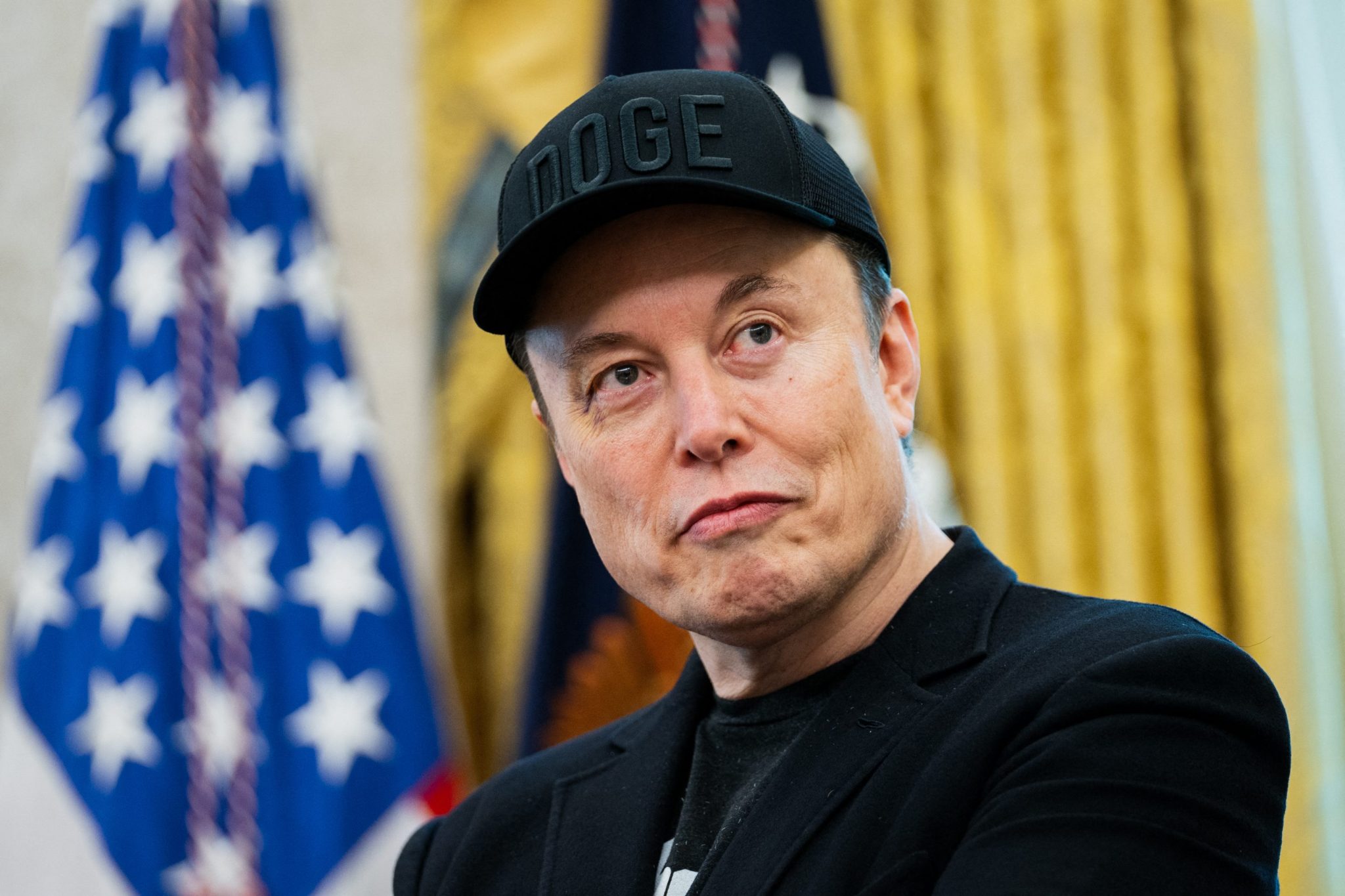
Billionaire donors in 2026 midterms have already put more than $433 million into federal races, with most of the money helping Republicans, according to an analysis by Americans for Tax Fairness. The progressive advocacy group said its review of Federal Election Commission data through March 1 found the 50 top-spending billionaire families directed $344.3 million, or about 79%, to Republican candidates and conservative groups.
The early money gives Republicans a large financial edge at the highest-donor level well before voters cast midterm ballots. Americans for Tax Fairness said the biggest recipient was MAGA Inc., the pro-Trump super PAC, which received $89 million.
Other major Republican-aligned groups also drew large sums, according to the group’s analysis. America PAC received $45.3 million, Senate Leadership Fund took in $36.3 million, and Congressional Leadership Fund received $30 million.
Who are the biggest billionaire donors in the 2026 midterms?
Americans for Tax Fairness identified Elon Musk as the largest individual donor in its count, with almost $71 million committed to Republican midterm efforts as of March 1. The group listed Wall Street financier Jeff Yass, a Susquehanna International Group co-founder and ByteDance investor, next at more than $55 million.
Musk’s total has increased since that analysis. By the end of June, his midterm giving had reached at least $90 million, including multimillion-dollar donations connected to Republican Vivek Ramaswamy’s campaign for Ohio governor and Texas Gov. Greg Abbott’s reelection, according to the figures cited by Fortune.
ABC News reported that Musk said in 2025 he planned to reduce political spending after his time leading the Department of Government Efficiency. His later donations show he remained a major funder in the 2026 cycle.
Democrats also have billionaire donors. The Washington Post, citing FEC filings, reported that Open Society founder George Soros and his son Alex Soros had put about $102.8 million into the 2026 cycle, much of it through Democracy PAC. LinkedIn co-founder Reid Hoffman and former New York Mayor Michael Bloomberg remain major Democratic donors, according to reporting cited by Fortune.
The overall balance still leans Republican. The Washington Post found Republican-leaning donors gave $880 million in the first half of 2026, compared with $290 million from Democratic-leaning donors.
How does campaign money affect elections?
Campaign money pays for advertising, voter data, staff and field operations, but political operatives cited by Fortune said it does not guarantee victory. OpenSecrets research shows higher-spending House candidates win more than 90% of the time, while Fortune said the biggest spenders take about eight in 10 Senate races.
That pattern can reflect candidate strength as much as persuasion. Caroline Welles, a former Democratic National Committee staffer who leads The First Ask, told Fortune that money can expand a campaign’s reach but cannot repair a weak candidate, poor message or disconnect with voters.
Christopher Lee, a former Democratic Congressional Campaign Committee regional political director now at Foresight Strategic Advisors, told Fortune that money often follows polling and other signs that a race is already competitive. Maggie Paulin, vice president of client services at the Republican firm Campaign Solutions, wrote in The Hill that donor money matters in campaigns but does not decide outcomes by itself.
The scale of outside money stems in part from the Supreme Court’s 2010 Citizens United ruling, which allowed super PACs to raise and spend unlimited sums. Fortune also reported that AI-related super PACs have already spent more than $50 million on 2026 races, including $27 million tied to Anthropic- and OpenAI-aligned groups in one Manhattan congressional contest.
This story draws on original reporting from Fortune.