
Biden ghostwriter tapes lawsuit dropped after appeals court setback
Biden ended his fight to keep memoir interview recordings private, clearing the way for release to a Republican-led congressional committee.
By Hana Yoshida · Markets Reporter
3 min read
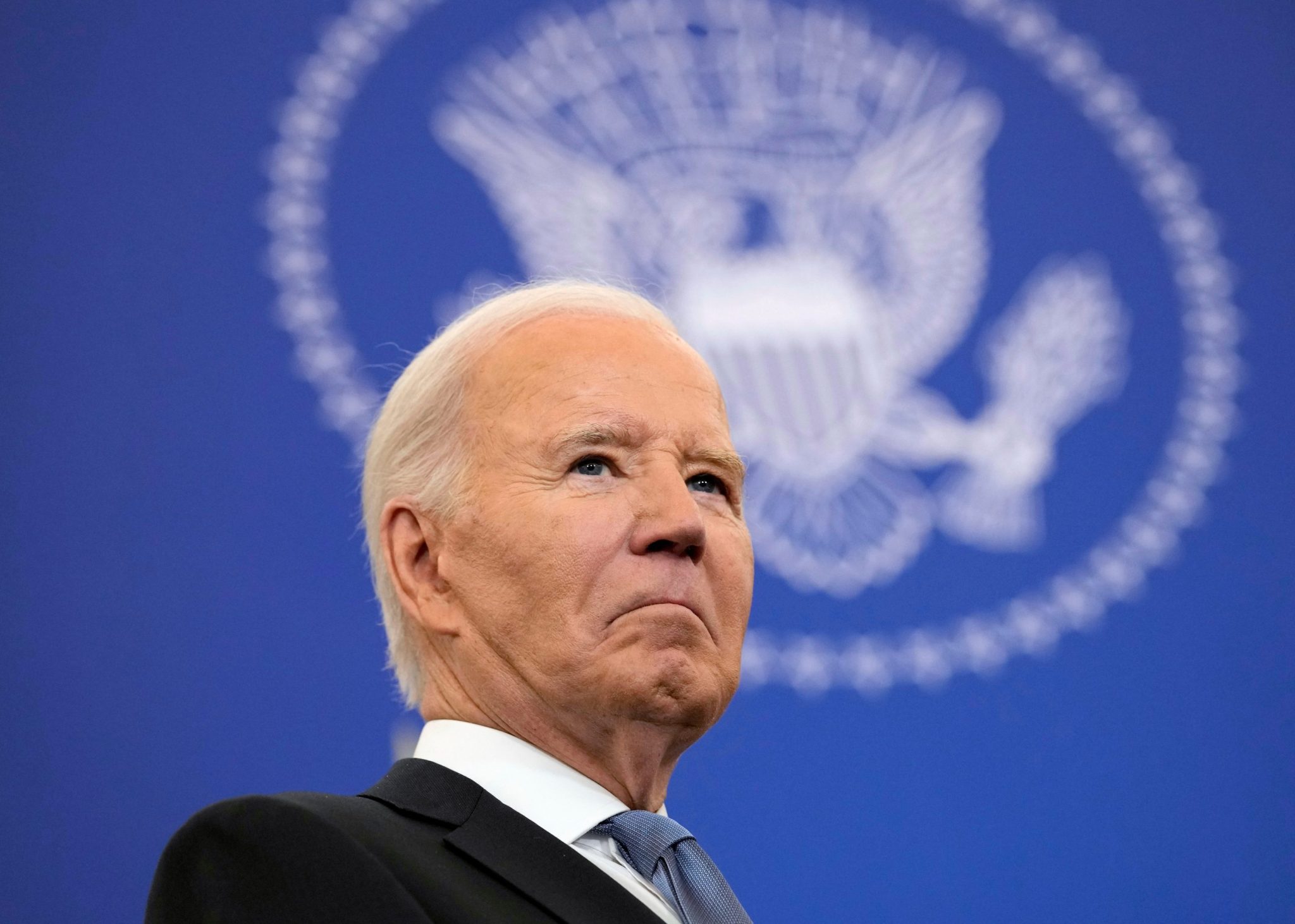
Joe Biden dropped his lawsuit over the Biden ghostwriter tapes on Friday, according to a notice filed by his attorneys, ending his bid to keep audio recordings and transcripts of memoir interviews from being released. The move clears the way for the material to go to a Republican-led congressional committee.
The filing came less than a week after a divided panel of the U.S. Court of Appeals for the District of Columbia Circuit rejected Biden’s request to block disclosure. Biden could have asked the Supreme Court to step in or sought review by the full appeals court, but his lawyers instead filed a voluntary dismissal.
Why did Biden sue over the ghostwriter tapes?
Biden sued to stop the Justice Department under President Donald Trump from turning over recordings and transcripts of interviews he gave before he became president. The lawsuit also sought to prevent release of the material to the conservative Heritage Foundation.
His lawyers described the conversations with ghostwriter Mark Zwonitzer as frank, personal and meant to stay private. Zwonitzer worked with Biden on two memoirs, the 2007 book “Promises to Keep” and the 2017 book “Promise Me, Dad,” and interviewed him at Biden’s home in 2016 and 2017.
The tapes became part of the classified documents investigation led by special counsel Robert Hur, who examined Biden’s handling of classified material from his years as a Delaware senator and as vice president under Barack Obama. Republicans in Congress sought the recordings after Hur declined to bring charges against Biden, who was president at the time.
What did the appeals court say?
In a 2-1 decision issued Monday, the appeals court panel found a substantial public interest in release of the material Biden wanted withheld. The panel paused the effect of its decision until Aug. 3, giving Biden time to consider additional appeals.
Circuit Judge Florence Pan dissented, writing that Biden had shown a substantial privacy interest in keeping the material confidential. The appeal was also heard by D.C. Circuit Chief Judge Sri Srinivasan and Judge Gregory Katsas.
Pan was nominated to the appeals court by Biden. Srinivasan was nominated by Obama, and Katsas was nominated by Trump.
The appeals fight followed a June ruling by U.S. District Judge Dabney Friedrich, a Trump nominee, who found that public interest in the material outweighed Biden’s privacy claims. Biden appealed that ruling before dropping the case Friday.
The Justice Department had earlier argued that the recordings were exempt from disclosure under public records law. Biden’s dismissal leaves the appeals court ruling in place and removes the lawsuit as a barrier to releasing the material to Congress.
This story draws on original reporting from Fortune.