
Australia seeks tougher fines for platforms over child account ban
The government says social media companies face higher penalties and scrutiny after reports that many under-16 users remain online.
By Sofia Marchetti · World Affairs Correspondent
3 min read
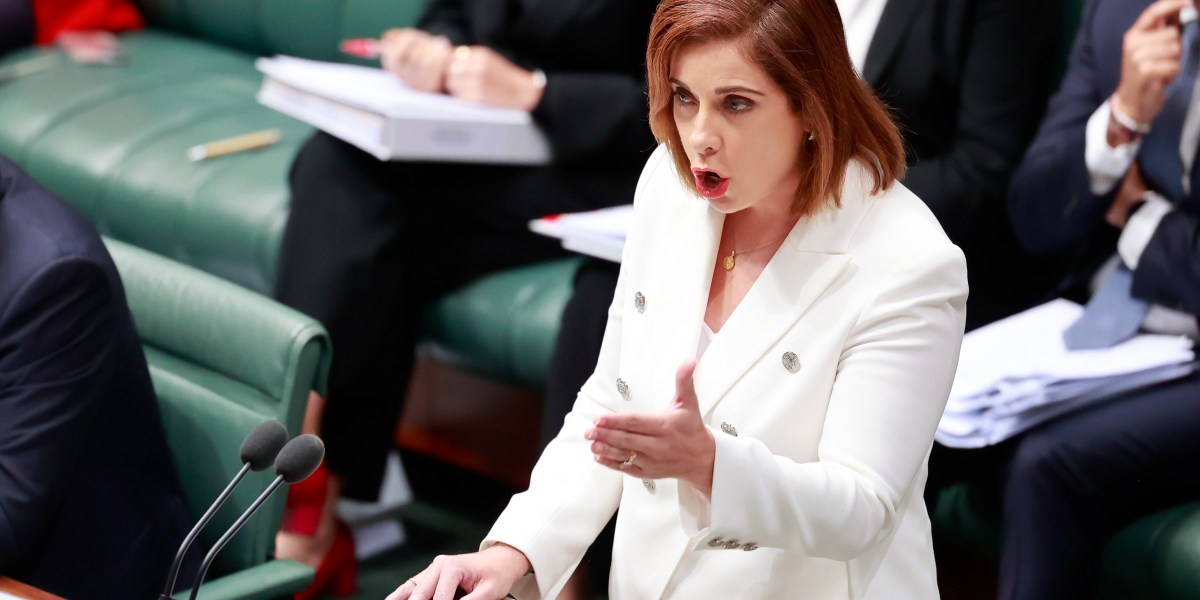
Australia plans to raise the stakes for social media companies that let children under 16 keep accounts, proposing a sharp increase in penalties and new investigative powers for the online safety regulator. The move matters because Australia’s under-16 ban is being watched by other countries considering similar limits, according to The Associated Press.
Communications Minister Anika Wells said Monday that resistance from platforms had forced the government to tighten the law, which took effect Dec. 10, the Australian Broadcasting Corp. reported. Wells said she had received monthly updates from the eSafety Commissioner since March and was not seeing improvement.
The government said Sunday it would introduce draft legislation in Parliament this week to double the maximum fine for noncompliant platforms to 99 million Australian dollars, or about $68 million. The penalties would apply to companies that do not take reasonable steps to stop Australian children from holding accounts, according to a government statement.
The proposed changes would also give eSafety Commissioner Julie Inman Grant broader authority to demand documents and information from platforms, the government said. The statement said those powers would extend to third parties, including age-assurance technology providers, so the regulator can test companies’ explanations for how under-16 users are getting around the restrictions.
Regulator reported children remained on major apps
Australia’s Parliament passed the original legislation with broad support in 2024, according to The Associated Press. Platforms covered by the ban then had more than 12 months to prepare before the rules took effect.
The government initially said more than 5 million children’s accounts had been removed, deactivated or restricted after the ban became law. But eSafety reported in March that seven in 10 children who had accounts on restricted platforms on Dec. 10 were still on Facebook, Instagram, Snapchat and TikTok.
In April, Inman Grant said she was considering legal action against Facebook, Instagram, Snapchat, TikTok and YouTube, alleging that those services were not taking reasonable steps to keep children off their platforms. She said at the time that she was satisfied with progress by X, Kick, Reddit, Threads and Twitch.
Wells told the Australian Broadcasting Corp. that the government’s draft changes are meant to give the eSafety Commissioner the tools needed to hold platforms to account. She accused major technology companies of undermining the scheme, using an Australian slang phrase meaning they were mocking or deceiving the public.
Senior opposition lawmaker Jane Hume said her party would review the proposed reforms and could support them. Hume said the ban was not working because the original law did not give the eSafety Commissioner enough power to pursue large technology companies.
The government’s push would affect platforms including Facebook and Instagram, according to The Associated Press. The proposed higher penalties and expanded information-gathering powers now shift the fight from whether Australia should restrict children’s accounts to whether regulators can force platforms to comply.
This story draws on original reporting from Fortune.