
Asia faces months of tight oil supplies after U.S.-Iran accord
Analysts told Fortune that reopened Gulf routes may not restore Asian fuel stocks or prices quickly after months of disruption.
By Maya Lindqvist · Senior Technology Correspondent
3 min read
The U.S. and Iran signed a memorandum of understanding on June 17 that pauses a Middle East conflict that disrupted oil markets, Fortune reported. Under the agreement, Iran accepted reopening the Strait of Hormuz, the Persian Gulf route used by several major oil-producing countries, according to Fortune.
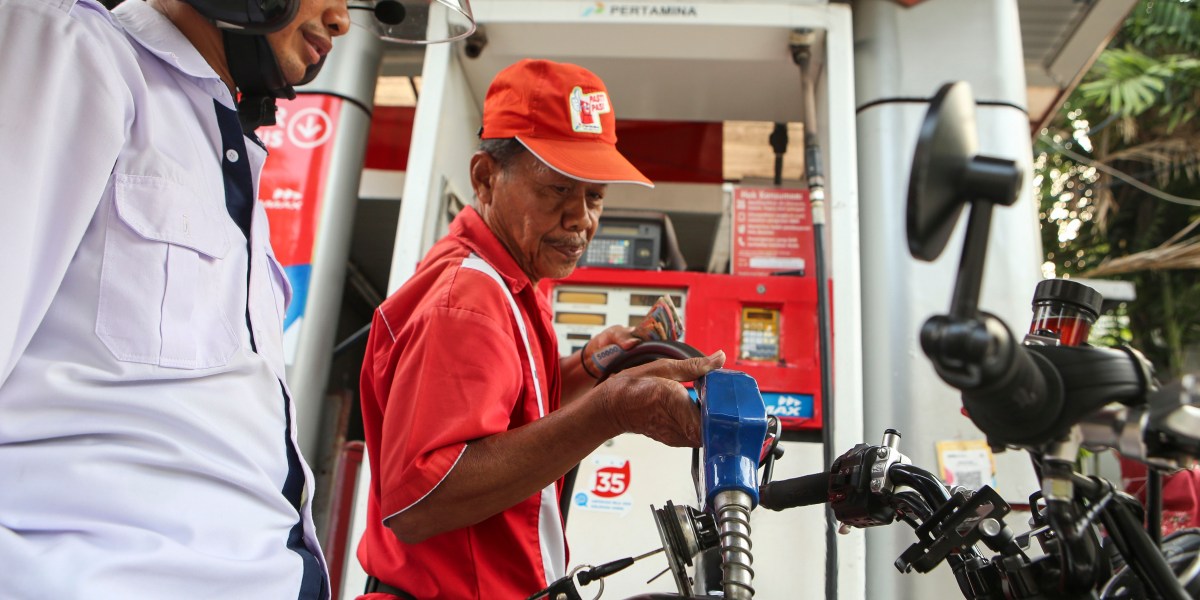
Fortune reported that Iran’s closure of the strait, a U.S. blockade of Iranian oil and Iranian attacks on energy infrastructure reduced global fuel supplies. The pressure hit emerging markets in Southeast Asia, where governments imposed four-day work weeks, rationed diesel, restarted coal plants, accelerated ethanol blending and curbed crude exports, according to Fortune.
Philippine President Ferdinand Marcos Jr. declared a national energy emergency in late March, Fortune reported. Analysts cited by Fortune said the reopening of Hormuz will not quickly restore normal oil flows or prices because shipping cycles, depleted inventories and damaged facilities will keep the market tight.
Supply recovery may take months
Chen Chien-Ming, an associate professor of operations management at Singapore’s Nanyang Technological University, told Fortune that crude supply will not rebound at once. Chen said a tanker voyage from Singapore to Gulf Cooperation Council countries and back can take one to two months, while many Asian countries are working with very low stockpiles and high prices.
Wood Mackenzie analyst Sushant Gupta told Fortune that regional crude inventories are likely to keep falling into August before beginning to recover. Gupta said fuel stocks in many countries have dropped to minimal levels over the past three months and are unlikely to return close to pre-war levels this year.
Fortune reported that damage to processing facilities, including Qatar’s Ras Laffan LNG terminal, could slow a wider recovery. The publication also reported that refineries cannot instantly resume oil and gas output after shutdowns.
Pushan Dutt, an economics professor at INSEAD, told Fortune that pressure on both Asian buyers and Middle Eastern producers could speed the return of oil flows if the ceasefire holds. Dutt said a quicker recovery depends partly on avoiding renewed hostilities involving Israel and Hezbollah.
Prices may not fall quickly
Gupta told Fortune that countries hit hard by the crisis, including in South and Southeast Asia, are likely to build larger oil reserves. Dutt told Fortune that China and the U.S. will want to refill reserves while Asian governments ease rationing, creating demand at the same time supply begins rising.
Fortune reported that investors may wait for evidence of lasting security, mine clearance and clarity on sanctions before pricing in a fuller recovery. Gupta told Fortune that the memorandum is an initial step and that a sharp near-term price drop is unrealistic.
Durability remains uncertain
Fortune described the agreement as a 14-point memorandum of understanding and reported that some observers question whether it can hold. Fortune also reported that President Donald Trump has already threatened to resume attacks if Iran violates the deal.
Kim Fustier, HSBC’s senior global oil and gas analyst, wrote in a note cited by Fortune that markets need evidence that the agreement endures. Fustier said Iran declared the strait open in April and then closed it again, and that the status of Iran’s Persian Gulf Strait Authority, created in May to formalize control over Hormuz, remains unclear.
The White House said Thursday that plans for Vice President JD Vance to travel to Switzerland for technical talks with Iran had been delayed, according to Fortune. Chen told Fortune that the memorandum does not force either side to act and said disputes over reparations, frozen Iranian assets and Israeli military operations could prevent a lasting settlement.
This story draws on original reporting from Fortune.