
Amazon bond sale shows investors testing AI debt appetite
Amazon’s $25 billion bond deal drew softer demand as tech giants borrow heavily to fund data centers and AI expansion, Bank of America said.
By Hana Yoshida · Markets Reporter
3 min read
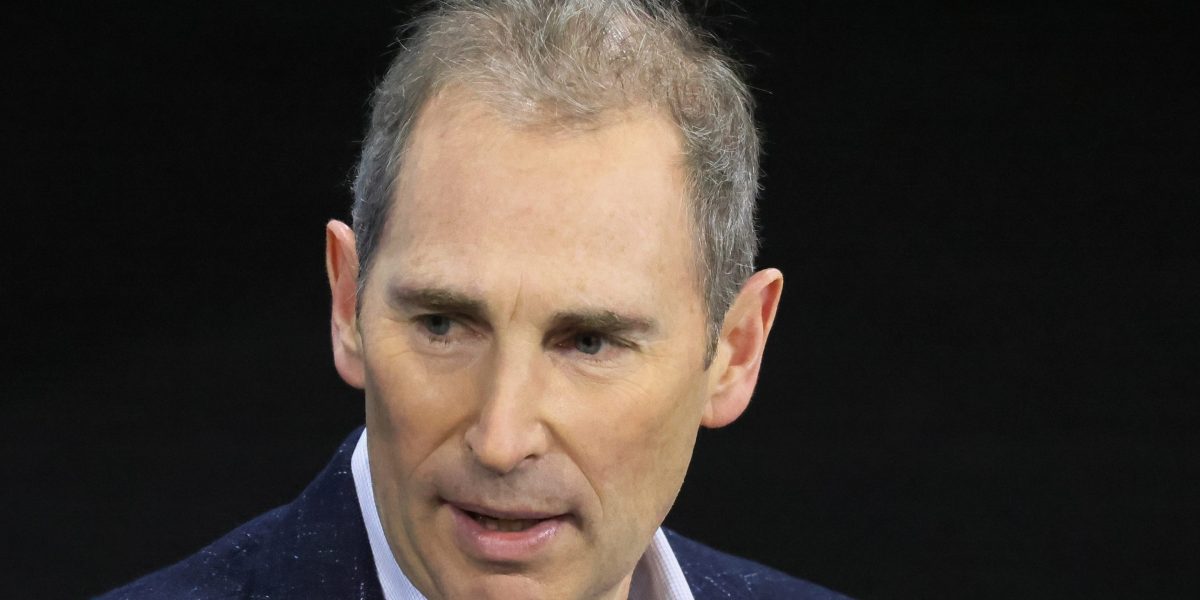
Amazon sold $25 billion of bonds on July 7, a deal Bank of America described as unexpected and closely watched by credit investors. The weaker demand and added yield on offer showed that buyers are starting to push back as large technology companies borrow heavily to fund AI infrastructure, according to BofA.
BofA said the sale lifted Amazon’s debt issuance this year to $92 billion, more than Alphabet’s Google, Meta or Oracle has issued individually in 2026. The bank said AI-related borrowers have sold about $270 billion of debt this year, nearly twice the $136 billion issued in the sector during all of 2025.
Amazon had to offer more compensation to complete the deal, according to BofA. The bank said the longest-dated bonds carried 18 to 21 basis points of extra yield, while orders totaled 2.5 times the bonds available, down from 3.2 times for an Amazon offering in March.
The deal still attracted more demand than supply. But BofA said Amazon’s new-issue performance was the weakest by a hyperscaler since Meta’s $30 billion bond sale in October 2025.
“Investors are pushing back,” BofA wrote in a note cited by Fortune. The bank added that Amazon’s sale could add uncertainty around how much hyperscaler and AI-related debt the market can absorb.
AI spending is driving the borrowing
BofA estimates that hyperscalers account for $194 billion of the $270 billion in AI-linked debt issued this year. The group includes Amazon, Alphabet, Meta, Microsoft and Oracle, companies that operate large data centers and sell cloud computing capacity to other businesses.
Those companies have outlined large capital spending plans tied to AI and cloud growth, according to Fortune. Alphabet raised $30 billion earlier this year, including a 100-year bond, Fortune reported.
Amazon’s borrowing is tied to the growth of Amazon Web Services, the company’s cloud computing unit. On Amazon’s April earnings call, CEO Andy Jassy told analysts that faster AWS growth requires higher near-term capital spending because the company must pay upfront for land, power, buildings, chips, servers and networking equipment before revenue arrives later.
Jassy said on that call that the payback can come six months to two years after the initial spending. Chief financial officer Brian Olsavsky said Amazon’s capital expenditures reached $43.2 billion in the first quarter, with spending directed toward AWS and generative AI.
Amazon’s first-quarter figures showed free cash flow for the trailing 12 months fell to $1.2 billion from $25.9 billion a year earlier. The company said the decline reflected a $59.3 billion year-over-year increase in purchases of property and equipment, while operating cash flow rose 30% to $148.5 billion.
Credit markets react
BofA said Amazon issued the bonds in eight parts with maturities from three to 40 years. The bank said hyperscaler bond spreads widened by six to 15 basis points that day, and Amazon’s deal helped push the 10-year Treasury yield up eight basis points.
The bank said the market response does not yet point to a severe pullback. BofA said heavy spending by the largest cloud companies was broadly expected and demand for the debt remains strong, even if investors are demanding better terms.
Amazon is expected to report earnings later this month or in early August, Fortune reported. Investors will be looking for more detail on how AI and AWS spending is affecting cash flow and future borrowing needs.
This story draws on original reporting from Fortune.