
Airlines say newer jet engines are eroding promised fuel savings
Airline chiefs told CNBC that maintenance demands on newer engines are raising costs and grounding planes despite efficiency gains.
By Daniel Okafor · Business Editor
3 min read
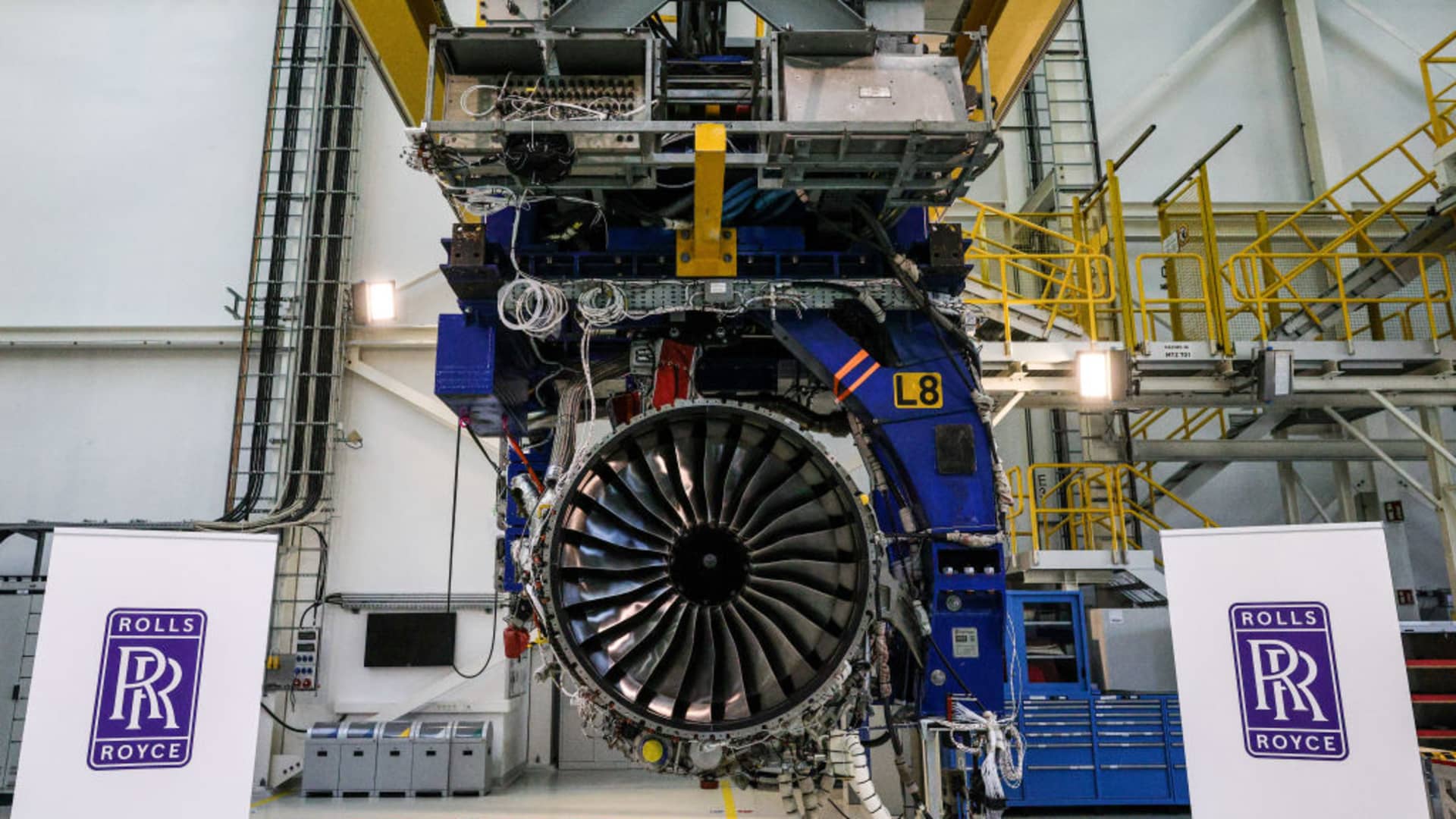
Airline executives say a new generation of fuel-saving jet engines is failing to deliver the reliability carriers expected, CNBC reported from the International Air Transport Association’s annual meeting in Rio de Janeiro. The complaints matter because grounded aircraft limit airline revenue while higher fuel costs and aircraft shortages already pressure profits.
CEOs told CNBC that some engines on newer Boeing and Airbus aircraft are heading to maintenance shops earlier than planned. That reduces the financial benefit of engines marketed as more efficient, according to the airline leaders.
Alexis von Hoensbroech, chief executive of Canada’s WestJet, told CNBC that newer engines promising fuel savings of about 15% or more compared with earlier models are impressive engineering achievements. He also said airlines are seeing more unscheduled maintenance than they did with previous engine generations.
Von Hoensbroech told CNBC the problem is costly because unplanned shop visits absorb a portion of the fuel savings. CNBC reported that demand for air travel remains strong even with higher fares, making grounded planes a revenue problem for carriers.
Hotter engines, faster wear
CNBC reported that newer engines run hotter, a design choice that helps reduce fuel burn. Fuel is the industry’s largest expense after labor, according to CNBC, but the higher temperatures can also contribute to faster wear and more time out of service.
The pressure comes as airlines face a fuel bill that CNBC said is $100 billion higher this year, while manufacturers are still behind on aircraft production. Airlines keep spare engines, CNBC reported, but executives said reliability and availability remain below what carriers need.
The supply squeeze has helped lift the value of both older and newer engines, according to aviation intelligence and advisory firm IBA Group. IBA said a CFM56 engine made by GE Aerospace and Safran for older Boeing 737s was priced at $9.2 million at the start of the year, up 17% from 2019, while a Pratt & Whitney PW1127 for newer Airbus narrow-body jets rose more than 57% over the same period.
CNBC reported that engine overhaul and maintenance has become a business worth more than $58 billion. Manufacturers have spent money expanding repair and overhaul capacity, while third-party shops have benefited from the increase in work, according to CNBC.
Manufacturers point to improvements
Willie Walsh, the outgoing director general of IATA, criticized engine makers at the Rio conference, CNBC reported. Walsh said engine supplier profits had risen and urged manufacturers to make engines that last longer and work more reliably for airline customers.
GE Aerospace, which makes engines used on Boeing and Airbus aircraft, told CNBC it has invested to improve time on wing, reduce ownership costs and raise production. The company said it is making daily progress but acknowledged more work remains.
GE powers Boeing’s 737 Max through its CFM joint venture with France’s Safran, CNBC reported. CFM Leap engines are also available on Airbus A320-family aircraft, where Pratt & Whitney is another supplier, and GE engines are used on most Boeing 787 Dreamliners, according to CNBC.
United Airlines CEO Scott Kirby credited GE with improvements but told CNBC that engine availability remains an industry concern. Kirby said the shortage of engines will be the biggest constraint for at least the next five years and pointed to shortages of parts such as forgings and castings.
Pratt & Whitney and some of its customers are also dealing with a manufacturing defect from several years ago, CNBC reported. The issue grounded aircraft and was among the major problems faced by Spirit Airlines before its collapse; Pratt parent RTX did not immediately comment to CNBC.
Rolls-Royce told CNBC it is still working on engine efficiency. The company said it has invested £1 billion, or $1.33 billion, in its Trent engine fleet and in a mode that can offer up to triple the time on wing, helping customers plan fleets and reduce maintenance needs.
This story draws on original reporting from CNBC.