
AI donors pour millions into Manhattan primary over regulation
Outside groups tied to OpenAI and Anthropic interests are spending heavily in Alex Bores’ Democratic House primary, AP reported.
By Maya Lindqvist · Senior Technology Correspondent
3 min read
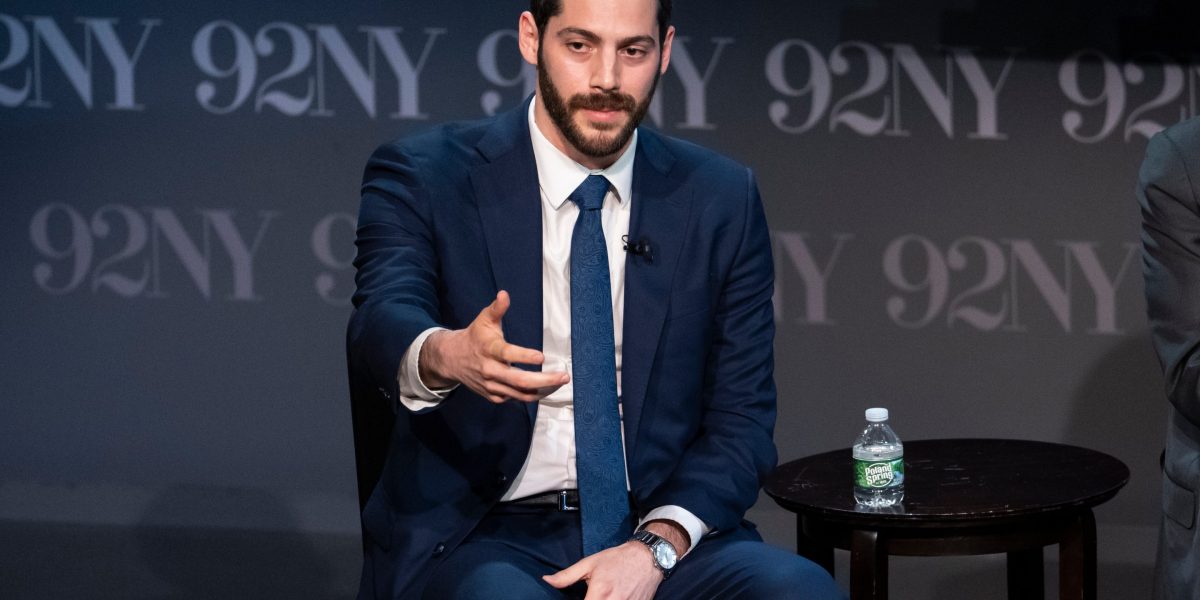
New York Assemblyman Alex Bores’ run for Congress has become a high-dollar fight over artificial intelligence regulation, according to The Associated Press. The spending matters because groups aligned with different wings of the tech industry are using a Manhattan Democratic primary to test how far lawmakers can go in writing rules for AI.
AP reported that Leading the Future, a political group backed by investors in OpenAI and other Silicon Valley figures, has spent $7.6 million through a subsidiary against Bores. Political groups partly financed by Anthropic, the company behind the Claude chatbot, have spent more than $10 million supporting him, AP reported.
Bores is running in the June 23 Democratic primary for New York’s 12th Congressional District, a Manhattan-based seat now held by retiring Rep. Jerry Nadler, AP reported. The district covers parts of upper and midtown Manhattan and is among the country’s wealthiest and most Democratic House districts, according to AP.
AI law drives the fight
AP reported that the clash stems from Bores’ work on the RAISE Act, a New York law aimed at AI safety. The measure requires major AI companies to submit reports on protections against catastrophic risks that could harm more than 50 people, including scenarios involving nuclear plants or engineered viruses, according to AP.
Leading the Future opposed Bores’ original bill but accepted a revised version that became law, AP reported. The group says it favors AI regulation at the federal level and argues that Congress, not states, should set the rules, according to AP.
The fight overlaps with President Donald Trump’s proposed AI framework, which would block states from making their own AI rules while Congress works on a national standard, AP reported. Washington has made little progress on such legislation, leaving the industry without broad federal regulation, according to AP.
Josh Vlasto, a co-lead of Leading the Future, said Anthropic, its investors and groups it funds had spent millions to help Bores reach Congress, AP reported. Bores said in a statement reported by AP that the race pits those who want to regulate powerful interests against those who do not.
Rivals point to corporate interests
AP reported that Leading the Future has donors including OpenAI President Greg Brockman, venture capitalist Marc Andreessen and Palantir co-founder Joe Lonsdale. The group includes major Trump donors, Silicon Valley investors and alumni of Trump’s first administration, according to AP.
Bores previously worked at Palantir and left during Trump’s first term over concerns he said he had about the company’s immigration enforcement work, AP reported. His background as a former computer engineer has become part of his case that he can write federal AI rules, according to AP.
Other Democrats in the primary have argued that Bores is caught in a business fight between OpenAI and Anthropic, AP reported. Jack Schlossberg, a Kennedy family heir and social media personality running for the seat, said at a debate that the fight was a civil war between the two companies, according to AP.
Brad Carson, a former Democratic congressman from Oklahoma, runs Public First, a political action committee that has spent more than $6 million to support Bores through a subsidiary, AP reported. Carson told AP that Public First was created to counter Leading the Future and grew out of a nonprofit he helped fund to advocate for AI regulation.
Carson told AP that his effort is not just an Anthropic project, saying the group raised $30 million from nongovernmental organizations before Anthropic contributed $20 million. Chris Larsen, a cryptocurrency billionaire and Anthropic investor, has pledged about $3.5 million to help Bores, AP reported.
Morten Bay, a research fellow at the Center for the Digital Future at the University of Southern California, told AP the primary reflects a broader split in Silicon Valley over regulation. Bay said the central divide is whether policymakers should restrict the industry or leave it freer to operate, according to AP.
This story draws on original reporting from Fortune.