
AI data center boom could squeeze hyperscalers, Marcus warns
Gary Marcus says heavy AI infrastructure spending may leave cloud giants with weak margins, costly assets and tougher competition.
By Sofia Marchetti · World Affairs Correspondent
3 min read
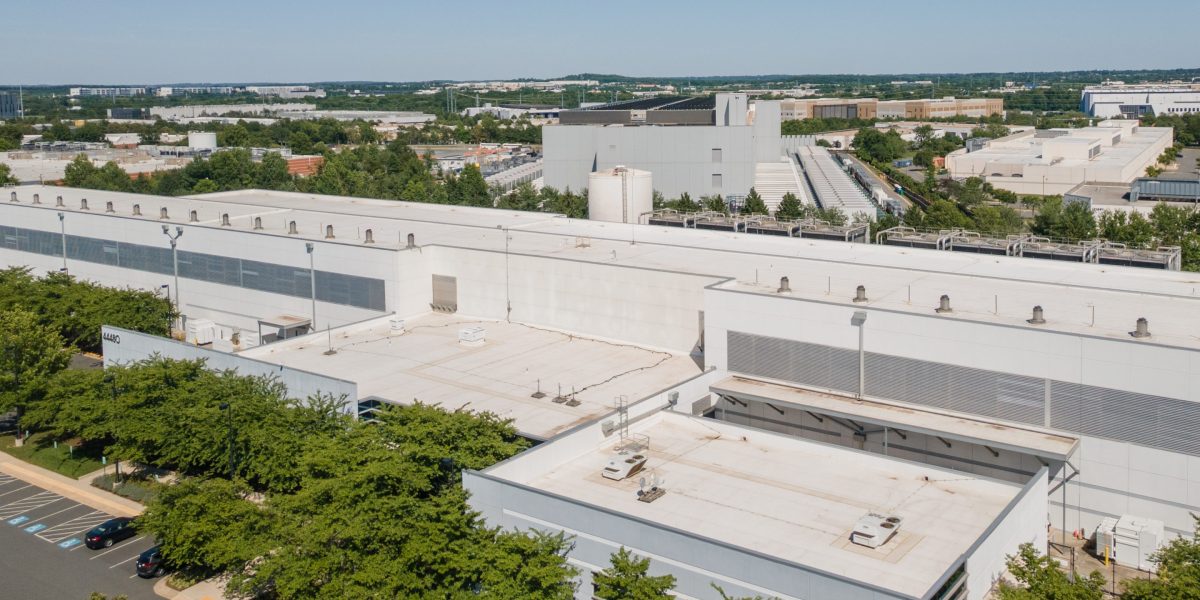
Major cloud companies risk spending their way into a low-margin AI business, according to New York University professor emeritus Gary Marcus. His warning matters because the largest technology groups are committing hundreds of billions of dollars to data centers, chips and related infrastructure.
In a Financial Times opinion piece, Marcus argued that the rush to secure more computing power has not solved the reliability problems that large language models still show. He also said the investment race may be eroding technical advantages, as major players build products that are increasingly hard to tell apart.
Marcus, a longtime critic of the AI boom, said high capital needs, steep operating costs and aggressive pricing could leave hyperscalers with weak or negative margins. He compared the possible outcome to the airline industry, where companies face heavy fixed costs, fierce competition and reliance on equipment suppliers.
Cheaper models add pressure
Marcus pointed to growing use of lower-cost open-source Chinese AI systems by U.S. companies as one factor that could undercut the business case for expensive proprietary models. Axios reported that Microsoft has considered making China’s DeepSeek available for its Copilot Cowork AI agent and has looked at open-source models as cheaper alternatives to products from Anthropic and OpenAI.
Axios also reported that Microsoft is shifting Copilot Cowork toward usage-based pricing as AI costs rise. Charles Lamanna, Microsoft’s executive vice president for Copilot, told Axios that some users perform hundreds of tasks a week, which boosts productivity but can drive costs sharply higher.
Other reports suggest Chinese AI developers are narrowing parts of the performance gap with U.S. companies. The Wall Street Journal reported that security researchers said China’s Zhipu AI can match U.S. models in finding software security flaws, while Anthropic and OpenAI remain stronger on other tasks.
Fortune reported that limits imposed by the Trump administration on access to the most advanced U.S. models could add another complication. According to Fortune, the restrictions raise the risk that some Anthropic customers may consider other providers if they worry about losing access.
Spending keeps climbing
Despite those risks, Meta, Microsoft, Alphabet, Amazon and other hyperscalers are continuing to build AI infrastructure at a rapid pace, Fortune reported. Their combined 2026 spending on data centers, chips and other infrastructure is expected to exceed $700 billion, according to Fortune.
The buildout has raised concern that a downturn in AI demand could leave too much computing capacity. Marcus rejected the more optimistic comparison with railroads, according to Fortune, because chips lose value as newer versions arrive and because more efficient AI models could reduce demand for the most expensive hardware.
Marcus said investors are assuming large future profits from the current wave of AI infrastructure. In his view, large language models are unlikely to produce the same durable market power that helped today’s dominant technology companies become difficult to challenge.
He also warned that the downside could extend beyond idle data centers. If losses spread to pension funds, banks or the broader economy, Marcus said governments might face pressure to support AI companies, Fortune reported.
OpenAI previously raised the idea of a government backstop for data center financing, according to The Wall Street Journal, then retreated from the suggestion after public criticism. Fortune noted that airlines have received federal support before, including after the Sept. 11, 2001, attacks and during the COVID-19 pandemic.
Marcus said some form of AI may justify heavy investment if it becomes reliable, efficient and safe for people. He argued that placing such large bets on today’s technology remains too early.
This story draws on original reporting from Fortune.