
Zimbabwe Senate backs plan to extend Mnangagwa's rule to 2030
The constitutional amendment would lengthen presidential and parliamentary terms and shift presidential elections to parliament.
By Sofia Marchetti · World Affairs Correspondent
2 min read
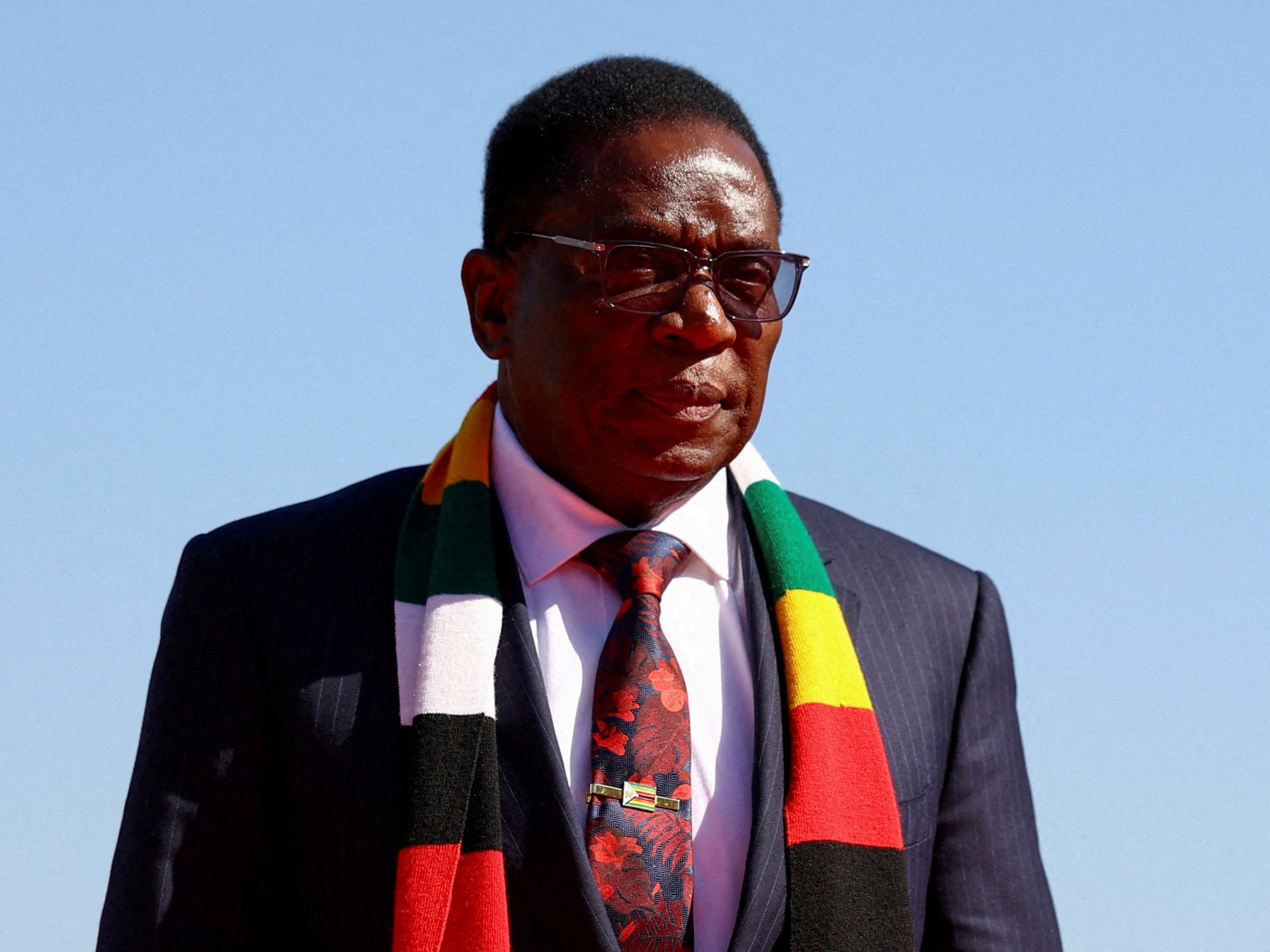
Zimbabwe’s Senate has approved a constitutional amendment that would allow President Emmerson Mnangagwa to remain in office until 2030, Al Jazeera reported, citing AFP and Reuters. The measure would change the length and method of presidential power in a country ruled by ZANU-PF since independence.
Senate President Mabel Chinomona said the chamber passed the amendments on Wednesday by 75 votes to four, according to the report. The bill now requires Mnangagwa’s signature to become law.
The changes would extend presidential and parliamentary terms from five years to seven years, according to Al Jazeera. The bill also includes a provision for parliament to choose the president, replacing direct election by voters.
Mnangagwa, 83, leads the Zimbabwe African National Union-Patriotic Front, known as ZANU-PF. Al Jazeera reported that the party has a strong majority in parliament and has governed Zimbabwe since independence in 1980.
Path through parliament
The Senate vote followed approval in the National Assembly last week, where 216 lawmakers supported the draft legislation and 42 opposed it, according to Al Jazeera. The ruling party resolved last year to pursue constitutional changes that would lengthen presidential terms, and the plan received cabinet backing in February, the report said.
Mnangagwa came to power after the military removed longtime leader Robert Mugabe in 2017, according to AFP and Reuters. Mugabe had led Zimbabwe from independence in 1980 until his ouster.
Zimbabwe’s opposition has accused the ruling party of using the amendments to cement its hold on the country, AFP and Reuters reported. Opponents of the bill have described the effort as a “constitutional coup,” according to Al Jazeera.
Rights groups raise concerns
Activists who tried to organize against the proposed changes have reported intimidation and violence, including arrests and assaults by suspected state agents, according to Al Jazeera. Legal efforts to stop or invalidate the amendment process have not succeeded, the report said.
Human Rights Watch said in March that Zimbabwean authorities were using violence and intimidation against people opposing the amendments. “Over the last few months, the police and unidentified armed men have threatened, harassed, and beat up several people who are opposed to the proposed constitutional amendment,” the group said in a statement quoted by Al Jazeera.
The measure is now at the final stage of the legislative process. If Mnangagwa signs it, Zimbabwe’s next presidential contest would be pushed back under the new seven-year term structure, and parliament would have a direct role in selecting the president, according to the reported provisions.
This story draws on original reporting from Al Jazeera.