
Yemen truce frays as Sanaa airport strike raises war fears
Mobilization, Tehran flights and Hodeidah clashes have put Yemen’s 2022 truce under its heaviest strain in years, Al Jazeera reported.
By Daniel Okafor · Business Editor
4 min read
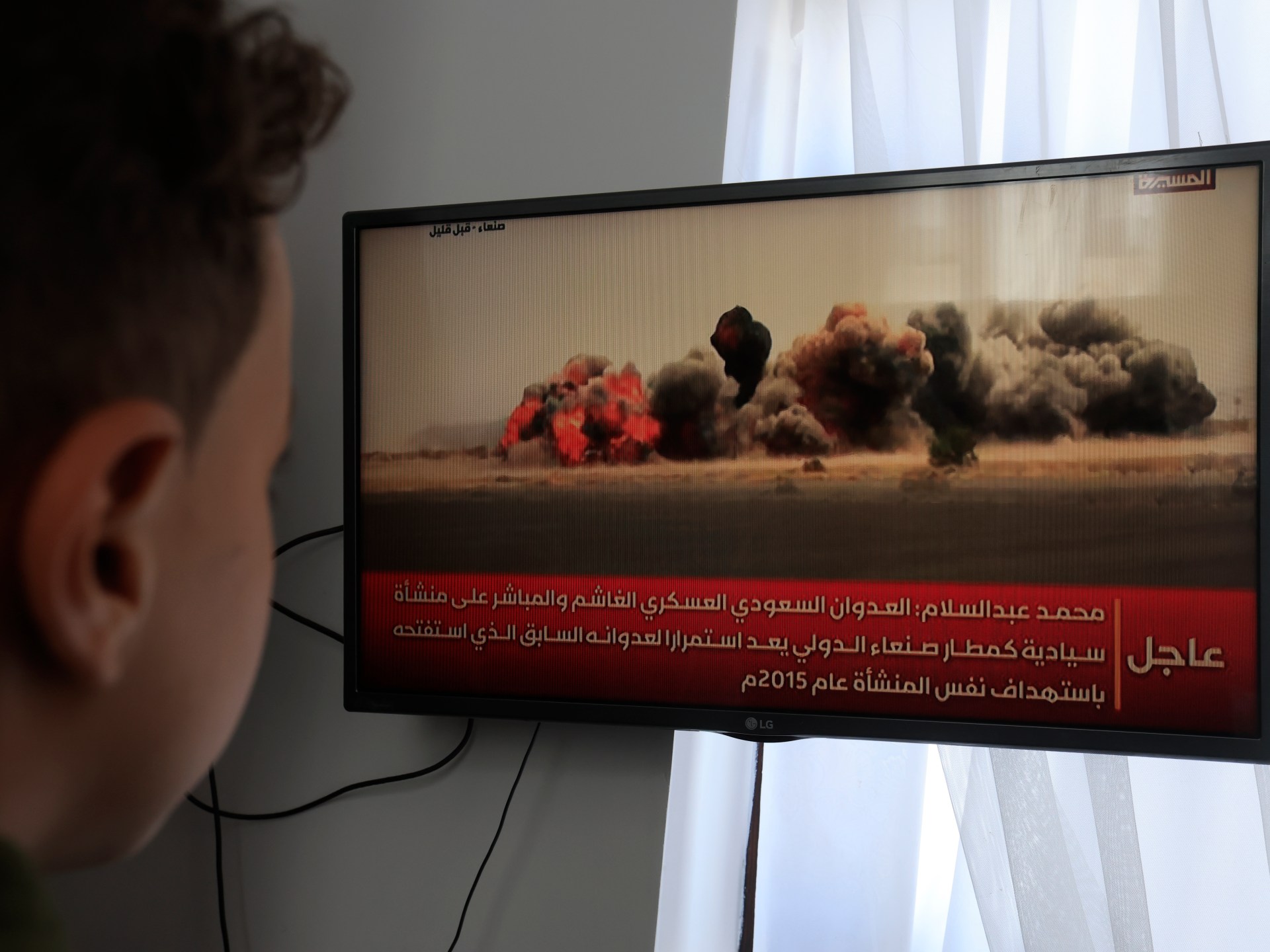
Yemen’s stalled war is showing signs of renewed escalation after the internationally recognized government said it struck the runway at Sanaa airport to stop an Iranian plane from landing, Al Jazeera reported. The episode matters beyond Yemen because Houthi threats against Saudi Arabia and the Red Sea could widen pressure on Gulf security while Iran is fighting the United States.
Al Jazeera reported that both the Yemeni government and the Houthi movement began mobilizing fighters in late June. On July 3, the first publicly announced flight from Tehran to Sanaa in more than a decade arrived in the Houthi-held capital, adding to tensions between the sides.
Fighting broke out the next day in Hodeidah governorate in western Yemen, killing dozens, according to Al Jazeera, which described it as the worst violence in four years. On Monday, the government said its forces bombed Sanaa airport’s runway after another Tehran flight tried to land, while the Houthis fired ballistic missiles toward Saudi Arabia.
Yemen’s Defence Minister Taher al-Aqili said the government’s patience had ended, according to Al Jazeera. Houthi military spokesperson Yahya Saree said the period of de-escalation in Yemen’s war was finished.
Regional risks rise
The Houthis blamed Saudi Arabia for the airport attack, although the Yemeni government claimed responsibility, Al Jazeera reported. Salah Ali Salah, a researcher at the Sanaa Center for Strategic Studies, told Al Jazeera that Houthi messaging suggests the group is preparing Yemenis for another phase of conflict with possible regional effects.
Salah said the Houthis’ location and weapons capabilities make them able to pressure Gulf states or threaten shipping in the Red Sea. Al Jazeera noted that the group has previously attacked Saudi targets and, in recent years, has faced strikes by Israel, the United Kingdom and the United States after Houthi attacks on Red Sea shipping following the start of Israel’s war in Gaza.
According to Salah, the Houthis’ focus on Saudi Arabia and the blockade of Sanaa airport appears aimed at casting any future confrontation with Gulf states as part of Yemen’s own war, rather than as an extension of Iranian or Hezbollah interests. He said the group is working to define its next enemy and shape public opinion before possible escalation.
Peace efforts stall
Yemen’s war has been largely frozen since a 2022 truce, Al Jazeera reported. The pause brought relative calm to Houthi-held areas and, for a period, allowed civilian flights from Sanaa International Airport, but it did not produce a settlement.
Al Jazeera reported that the Yemeni government, backed by Saudi Arabia, has strengthened its position in eastern and southern Yemen after the separatist Southern Transitional Council was defeated late last year. Yemeni analyst Adel Dashela told Al Jazeera that a military option remains possible if the Houthis continue to reject peace proposals, though he said Saudi Arabia’s position would be central to any move.
A United Nations roadmap in late 2023 included proposals to fund public-sector salaries, lift restrictions on roads and airports, restart oil exports and move toward a political process, according to Al Jazeera. No agreement followed, and the rhetoric from all sides has grown sharper.
The Yemeni government has highlighted Houthi ties to Iran. Military spokesperson Abdo Majali said the July 3 Tehran-Sanaa flight showed Iran was using the Houthis to advance its regional project and undermine Yemen’s sovereignty, Al Jazeera reported.
A senior Houthi official, Mohammed al-Bukhaiti, told Al Jazeera after the airport strike that attacks on Sanaa airport gave Yemen the right to target Saudi airports and impose a siege in response. In Sanaa, Ali Mohammed, a member of the Houthis’ popular committees, told Al Jazeera that thousands of fighters were ready and that new recruits had been trained for front-line combat.
UN reports cited by Al Jazeera say about 18.3 million people in Yemen face acute food insecurity, more than 2.2 million children under five are acutely malnourished and about 2.6 million children are out of school. Yemen’s GDP per person has dropped 58 percent since the war began, according to the same reports.
This story draws on original reporting from Al Jazeera.