
Yemen plastic waste clogs farms and flood channels
Residents and experts say weak collection, war damage and dumping are sending plastic into irrigation channels, farms and wells.
By Daniel Okafor · Business Editor
3 min read
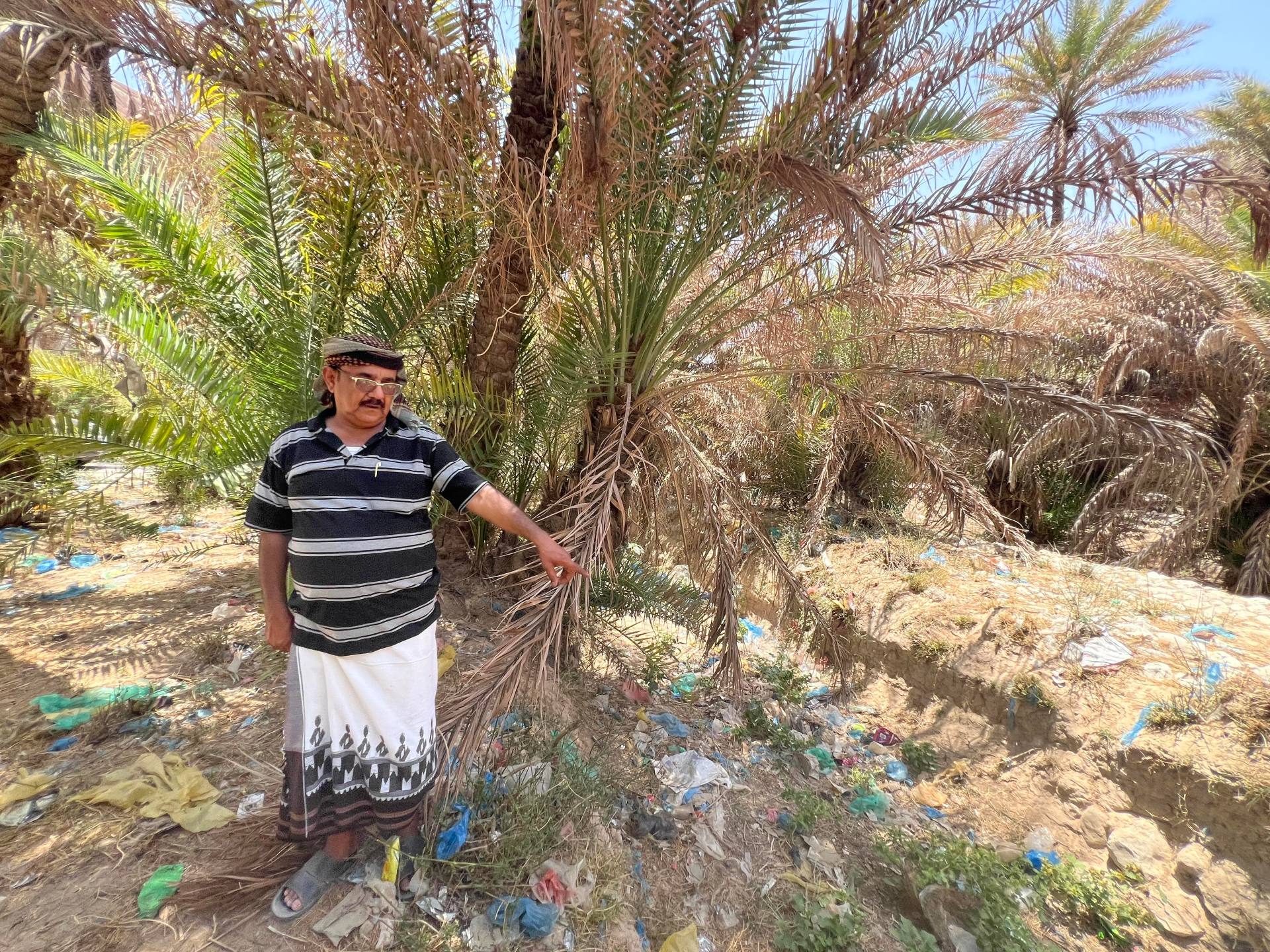
Yemen plastic waste is piling up in valleys and farmland, where residents and experts say it is blocking irrigation, polluting soil and adding health risks in communities already strained by war. In Wadi Dawan in eastern Hadramout province, Al Jazeera reported plastic bags, bottles, food wrappers and other household rubbish scattered along roads, palm groves and flood channels.
The valley is known for dates and honey, but residents described a different reality at ground level: rubbish in channels that carry floodwater to farms, waste dumped near homes and the smell of burning trash in the air. Farmer and orchard owner Yousef Abdullah told Al Jazeera the problem has become severe and warned that leaving it unresolved could bring worse damage.
Abdullah said seasonal floods carry dumped waste into irrigation routes. Farmers then have to clear plastic, construction debris, branches and broken glass before the water passes, and later remove bottles and bags from fields before planting.
Why is plastic waste a problem in Yemen?
Residents, environmental advocates and local officials told Al Jazeera that Wadi Dawan lacks a reliable waste collection system, while public awareness of dumping risks remains limited. Some parts of the valley have no collection points, and where bins exist, they often overflow.
Garbage trucks are meant to collect waste from bins weekly, according to Al Jazeera, but the service is often interrupted by funding shortages and poorly maintained vehicles. That leaves households and businesses with few dependable options for disposal.
Salem Raji, head of the Ministry of Agriculture office in Wadi Dawan and an agricultural researcher, has tried to draw attention to the issue through meetings with local officials, local media appearances and social media. He told Al Jazeera that plastic waste contaminates soil, blocks main irrigation canals, damages canal walls and can stop floodwater from reaching fields.
Raji said some farmers can lose an entire growing season when irrigation fails. He also said his office’s monthly budget is 8,000 Yemeni riyals, about $5, leaving staff unable to make regular field visits, educate residents or help remove rubbish from channels and farms.
How has war affected waste collection?
The waste problem has worsened during Yemen’s war between the Iran-backed Houthis and the Saudi-backed, internationally recognised government, according to Al Jazeera. The conflict has killed hundreds of thousands of people, displaced millions and weakened state institutions, leaving municipal and agricultural offices with little money or capacity for basic services.
Raji attributed the worsening situation to wartime administrative instability and lack of local funding. His awareness effort has had limited results, he told Al Jazeera, as residents continue to dump waste across the valley.
The problem extends beyond Wadi Dawan. In Taiz, local officials and health experts told Al Jazeera that waste has polluted farmland, contaminated wells and dams, and increased the risk of diseases linked to unsafe water.
Dr Yassin Abdul Malik al-Shuraihi, who heads disease surveillance in Taiz governorate, said the province has too few bins and frequent delays in collection. He told Al Jazeera that sewage, household waste and construction debris are being dumped into flood channels, and that diarrhoea cases are recorded throughout the year when sewage reaches some drinking wells.
What are the environmental risks?
Khaled Saleh Bawahidi, a professor and director of the Environmental Studies and Water Resources Centre at Hadramout University, told Al Jazeera that uncontrolled dumping threatens soil, surface water, natural habitats and public health.
Bawahidi said waste around palm trees can harm growth and long-term productivity, while damage to grazing areas may affect bees and the quality of dates and honey. He also warned that dumped waste creates breeding grounds for insects and rodents that can spread disease to people and livestock.
This story draws on original reporting from Al Jazeera.