
World Cup squads put national identity debates in sharper focus
Mohamad Elmasry says the 2026 tournament shows how migration, colonial history and race shape the teams competing under national flags.
By Sofia Marchetti · World Affairs Correspondent
3 min read
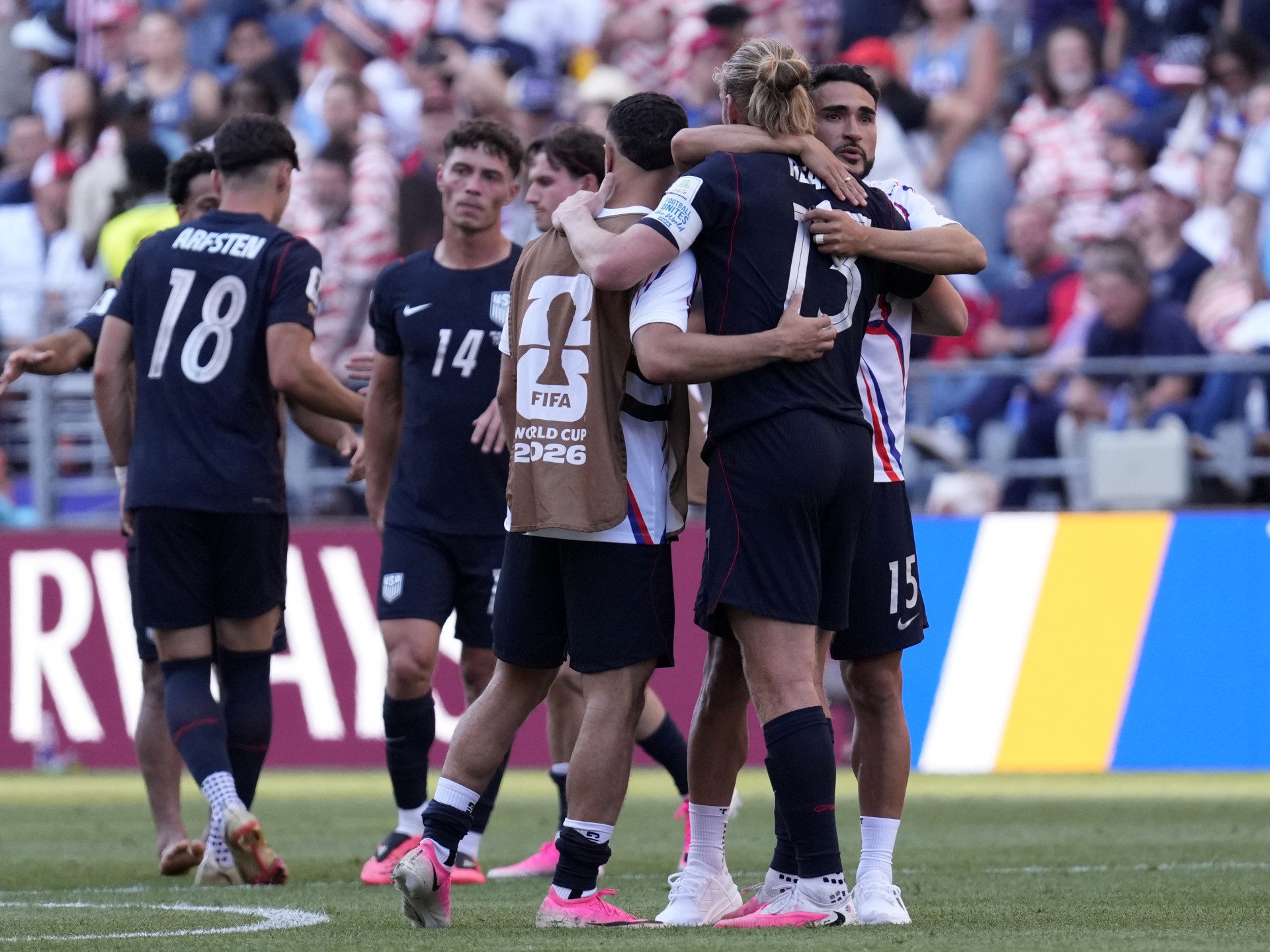
The 2026 World Cup has become a stage for arguments over who counts as part of a nation. Mohamad Elmasry, a professor in the Media Studies program at the Doha Institute for Graduate Studies, wrote for Al Jazeera that the tournament is showing how migration, diaspora and colonial history complicate national identity.
Elmasry pointed to Morocco as one of the clearest examples. He wrote that 19 of the 26 players in Morocco’s squad were born outside the country, with many born in Spain or France, the two European countries that colonised Morocco.
That team composition, he argued, raises questions about dual citizenship, loyalty, diaspora ties and the afterlife of colonial rule. Elmasry said similar patterns are visible in squads representing the United States, Canada, France, England, Germany, Belgium, the Netherlands and Australia, where many players come from immigrant families.
Race and belonging on the field
Elmasry wrote that the tournament is unfolding during a period of increasingly exclusionary nationalist politics in North America and Europe. He said several countries arguing most intensely over national identity are being represented by multicultural teams at football’s biggest event.
He also linked the make-up of European squads to colonial history, noting that many players representing European countries come from communities with roots in former colonies. In his view, the teams show that modern national identity is tied to empire, migration and contested ideas of belonging.
The tensions became visible after Morocco eliminated the Netherlands in a penalty shootout on June 29, according to Elmasry. He wrote that three Black Dutch players who missed penalties were quickly targeted with racist abuse online, an episode he described as evidence that minority players can be embraced when they win and cast as outsiders when they fail.
The United States as host
Elmasry described the United States, which is cohosting the tournament with Canada and Mexico, as a central case. He wrote that President Donald Trump’s political programme has been shaped in part by white grievance politics and an anti-immigration agenda.
According to Elmasry, Amnesty International said measures at the start of Trump’s second term reinforced the idea that whiteness is linked to US identity. He wrote that Trump suspended the US refugee programme on his first day back in office and later prioritised the resettlement of white Afrikaners from South Africa.
Elmasry also wrote that the administration expanded that programme by adding 10,000 refugee slots for white South Africans while excluding non-white refugees. He said Immigration and Customs Enforcement arrested about 400,000 immigrants in 2025 and deported most of them, then arrested 10,000 immigrants over five days in late June.
Those policies fed concern that the World Cup in the United States would be marked by exclusion, Elmasry wrote. He said more than 120 rights groups, including Amnesty International, the NAACP and the American Civil Liberties Union, issued a World Cup travel advisory before the tournament.
Elmasry cited several incidents during the tournament period: the Trump administration denied entry to Somali referee Omar Abdulkadir Artan, imposed severe travel restrictions on Iran’s team and detained Iraq striker Aymen Hussein for seven hours when he arrived in the United States.
On the field, the US team reached the last 16 before losing to Belgium in Seattle on July 6. Elmasry wrote that six US players were born outside the country and that more than half the squad hold dual citizenship.
He said that contrast was visible in US stadiums, where some fans likely backed Trump while cheering a team that included Folarin Balogun, Alejandro Zendejas, Haji Wright and other players from immigrant families. Elmasry argued that the tournament’s national teams are products of migration, diaspora and colonial history, challenging claims that nations are ethnically or culturally fixed.
This story draws on original reporting from Al Jazeera.