
Columnist criticizes World Cup questioning of Iran and Egypt players
Patrick Gathara says Western media applies political tests unevenly to teams from Africa and the Middle East at the World Cup.
By Sofia Marchetti · World Affairs Correspondent
3 min read
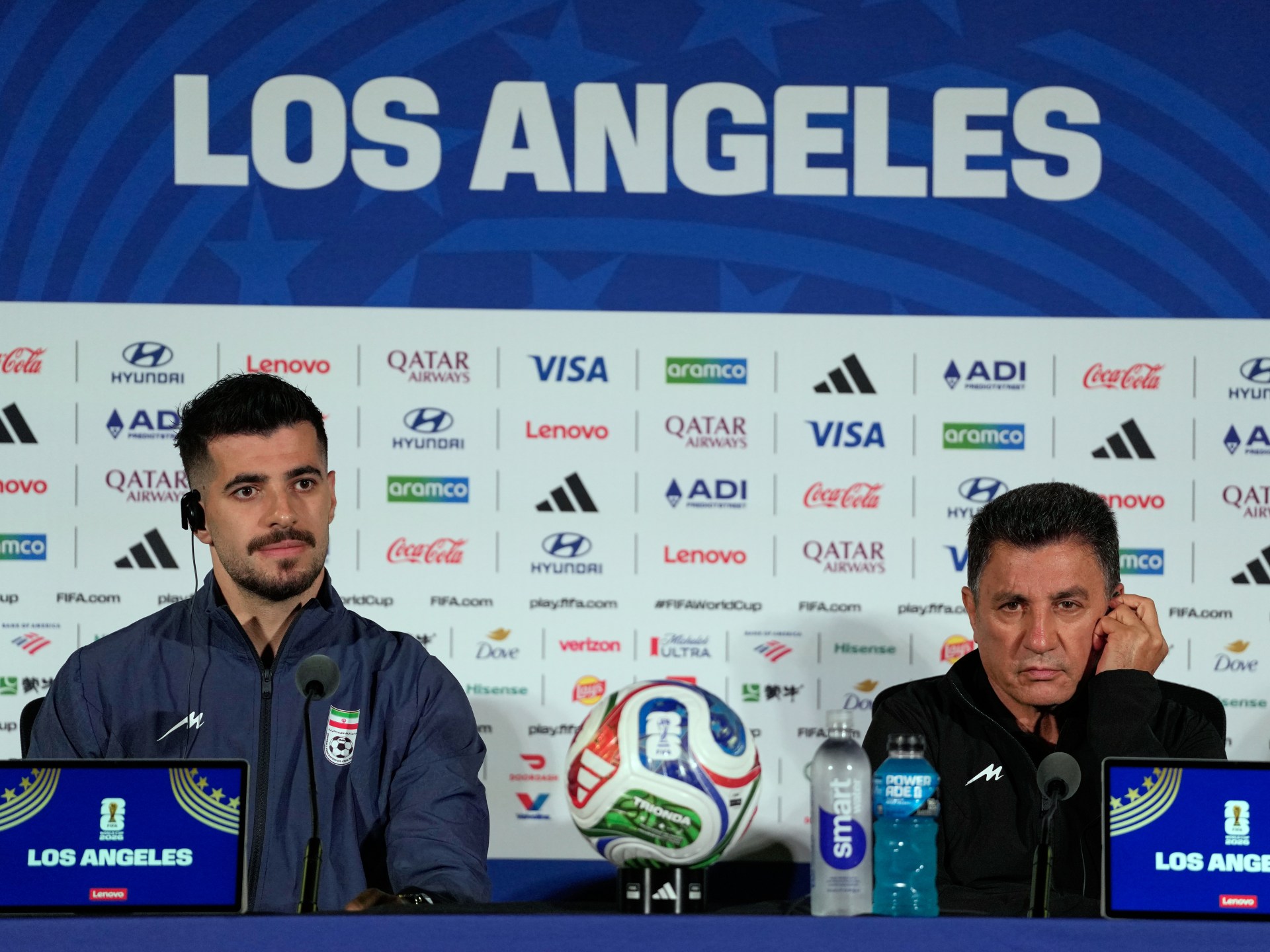
A debate over World Cup press conferences widened after South African comedian Trevor Noah questioned why teams from Africa and the Middle East face political questions that European teams often avoid. Patrick Gathara, writing in an Al Jazeera opinion column published June 30, argued that the pattern reflects a hierarchy in global sports journalism.
Gathara, senior editor for inclusive storytelling at The New Humanitarian, said Iranian players had been pressed by Western reporters after matches about issues tied to their government. He framed those exchanges as part of a broader habit in which some players are treated as athletes, while others are asked to serve as stand-ins for their states.
World Cup politics and press scrutiny
Gathara rejected the idea that the World Cup is separate from politics, pointing to past bans and boycotts linked to governments’ conduct. He noted that Russia is barred over its invasion of Ukraine and that South Africa was eventually excluded during apartheid.
He contrasted those cases with Israel and the United States. Gathara wrote that Israel remains able to take part in qualifiers despite occupying Palestinian, Lebanese and Syrian territory, bombing Iran, and despite findings by Amnesty International, Human Rights Watch and UN experts that Israel is committing genocide in Gaza and maintaining apartheid. He also wrote that the United States has not faced a World Cup ban despite what he described as wars of aggression.
The column also criticized scrutiny of host nations. Gathara said journalists devoted substantial attention to whether Russia and Qatar should host the 2018 and 2022 tournaments because of government policies, while giving less attention to the United States hosting amid its attacks on Iran and Venezuela, deportations of asylum seekers, and travel restrictions affecting tournament participants and fans.
Questions at Iran and Egypt match
Gathara cited Associated Press reporting that Iran and Egypt were asked about LGBTQ rights before a World Cup match in Seattle that local organizers branded as a “Pride Match.” According to that AP account, a FIFA official read a statement saying Iran wanted to answer only football-related questions, while Egyptian officials also kept players from responding to similar questions.
Gathara said his objection was not to asking about LGBTQ rights, war, repression, discrimination, apartheid or genocide. His argument was that such questions are applied unevenly, with players from Iran, Egypt and African countries more likely to be asked to answer for national politics than players from the United States, England, France or Germany.
He compared the World Cup exchanges to interviews in which Palestinian guests were first asked to condemn Hamas before discussing Gaza. In Gathara’s view, that format sorts speakers into moral categories before they are allowed to address their own subject.
The column said Western players are more often treated as individuals representing a country, while players from the Global South are cast as representatives of governments, religions and societies. Gathara concluded that politics has long been part of international sport, but the burden of answering for politics is not shared equally.
This story draws on original reporting from Al Jazeera.