
World Cup final resale tickets climb toward $2.3 million
FIFA’s resale site showed final seats ranging from under $10,000 to about $2.3 million before Argentina faced Spain.
By Daniel Okafor · Business Editor
4 min read
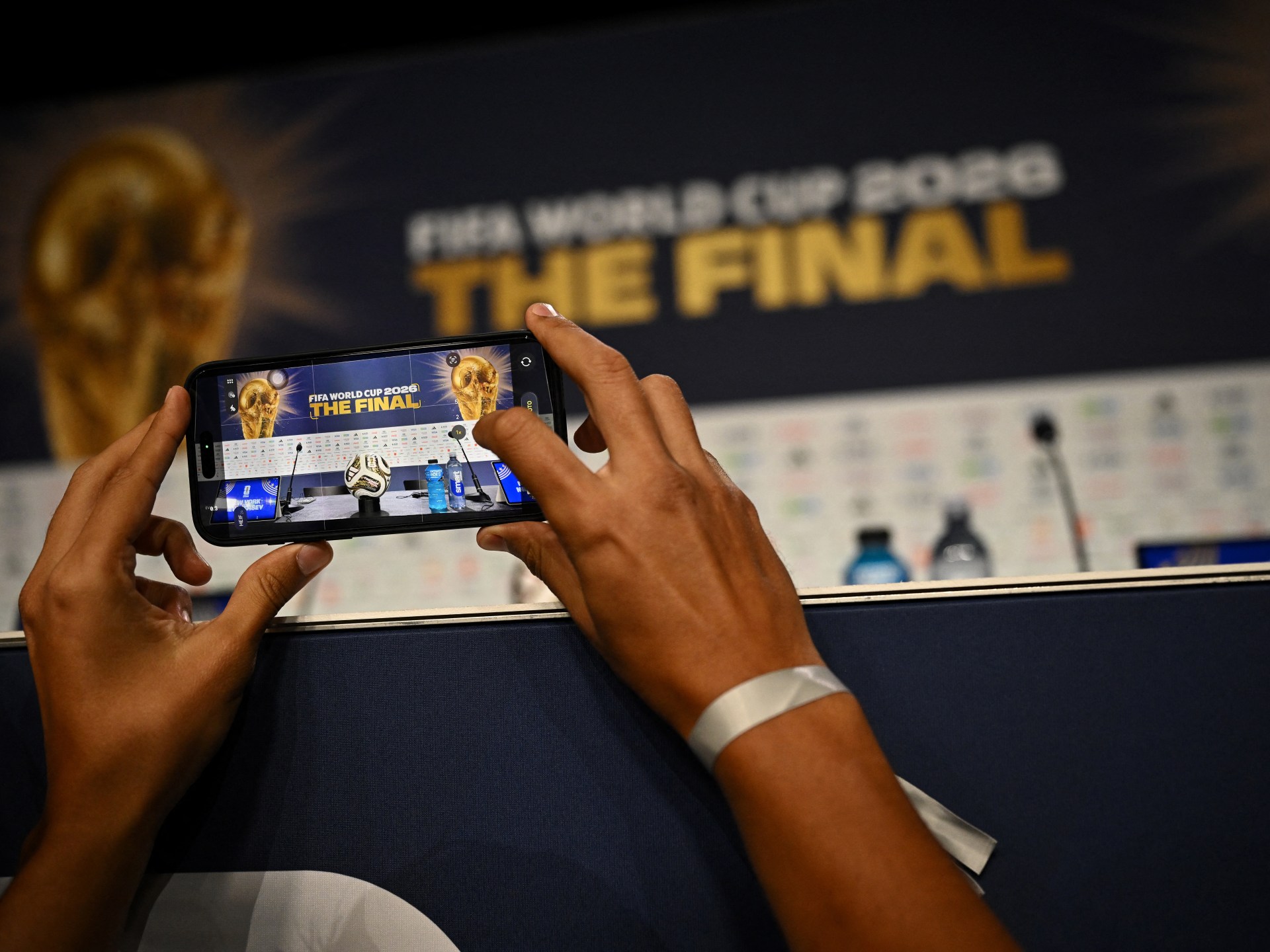
Tickets for the World Cup final approached $2.3 million on FIFA’s resale platform less than a day before kickoff, putting some last-minute seats beyond the reach of most fans. The prices underscored how strongly demand held up for the tournament’s closing match at New York New Jersey Stadium, where Argentina were set to play Spain.
Al Jazeera and Reuters reported that FIFA’s own resale marketplace listed final tickets from just under $10,000 to as much as about $2.3 million on Saturday. A day earlier, nearly all standard tickets appeared to have been sold, with a small number showing on FIFA’s sales platform at about $32,000 each.
The match brought together Lionel Messi’s Argentina and Spain, whose squad includes Lamine Yamal. Al Jazeera and Reuters reported that the final was widely described as likely to be the most expensive sporting event staged in the United States.
Demand held despite high prices
Reuters said its review of FIFA attendance figures showed more than half of the 72 group-stage matches were full. FIFA said 99.7 percent of available seats were occupied during the preliminary round, according to Reuters.
Those figures eased early concerns that steep pricing would keep crowds away. Al Jazeera and Reuters reported that empty seats seen at Guadalajara Stadium during South Korea’s June 11 match against Czechia had raised questions about whether fans would resist FIFA’s pricing.
Scott Friedman, a ticketing analyst and former Cleveland Cavaliers employee, told Al Jazeera and Reuters that FIFA had judged demand well because buyers accepted high prices across much of the 104-match tournament. Friedman, who runs the Ticket Talk Network, said concerns before the tournament about travel and U.S. immigration enforcement did not stop fans from paying.
The 2026 World Cup expanded to 48 teams, the largest field in the tournament’s history. Al Jazeera and Reuters reported that FIFA initially set group-stage tickets at $575, more than twice the top group-stage price at the 2022 World Cup, while dynamic pricing pushed many purchases higher.
Dynamic pricing draws scrutiny
FIFA used dynamic pricing at the World Cup for the first time, allowing ticket costs to change with demand and other factors, according to Al Jazeera and Reuters. Hundreds of final tickets were still on FIFA’s platform on Wednesday at a little over $7,000, which led to speculation about whether prices had been set too high.
Friedman attributed that supply to “slow ticketing,” a method used at major events in which organizers limit how many seats are released at once to encourage purchases. He told Al Jazeera and Reuters that organizers can create the impression of scarcity by releasing tickets gradually.
Adam Elmachtoub, an associate professor of industrial engineering and operations research at Columbia University, told Al Jazeera and Reuters that fans’ frustration stemmed in part from uncertainty about how FIFA’s pricing model worked. He said consumers are familiar with dynamic pricing in air travel and retail, but transparency matters more for a global event of this scale.
Al Jazeera and Reuters reported that FIFA later made a limited number of lower-cost tickets available after criticism of prices. Politicians, including New York City Mayor Zohran Mamdani, had pushed for residents to have access to more affordable seats.
Resale market adds pressure
U.S. resale rules also helped drive up costs, according to Al Jazeera and Reuters, because sellers have wide latitude to set prices. The report contrasted that with Mexico, another 2026 co-host, where resellers cannot list tickets above what they paid.
SeatGeek said the average listing price for the final was above $11,000 as of Friday, according to Al Jazeera and Reuters. The company said that made the final the priciest event it had sold tickets for, 8 percent higher than the 2024 Super Bowl.
Chris Leyden, SeatGeek’s senior director of marketing, told Al Jazeera and Reuters that demand shifted with each round and matchup but stayed strong from the group stage into the knockout rounds.
Human rights and fan groups said the tournament still excluded many supporters. The Sport & Rights Alliance said fans from several countries were unable to obtain visas, while Ronan Evain of Football Supporters Europe told reporters the World Cup had been accessible mainly to supporters with enough money, visa access and ability to travel to the United States.
This story draws on original reporting from Al Jazeera.