
West Bengal voters face welfare cutoff after roll deletions
After 9 million names were struck from West Bengal’s voter rolls, many residents now face possible loss of food rations and cash aid.
By Daniel Okafor · Business Editor
4 min read
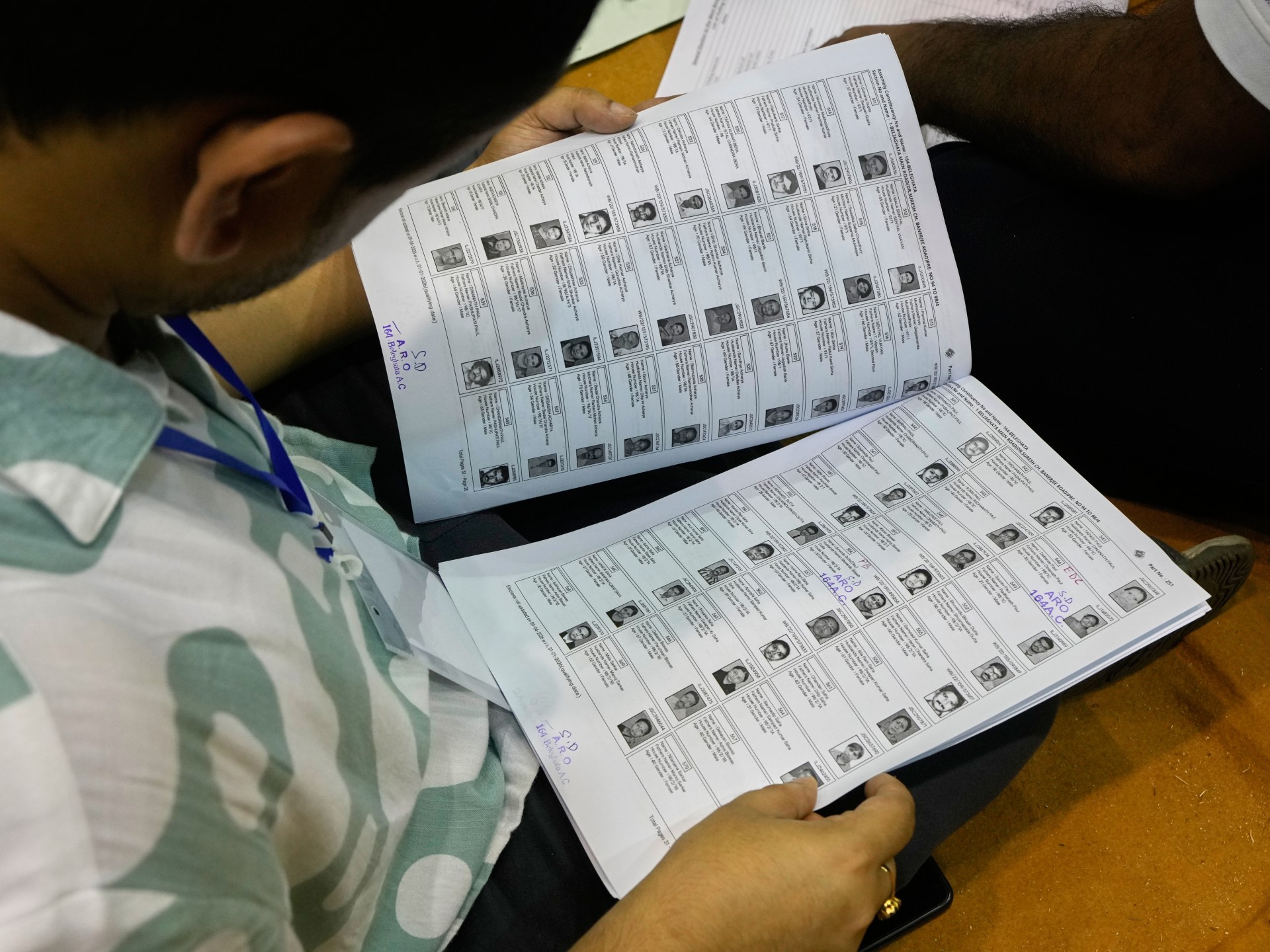
Millions of people removed from voter rolls in India’s West Bengal state could now lose access to subsidised food and other welfare programmes, Al Jazeera reported. The dispute has widened the fallout from a pre-election voter-list revision that critics say hit Muslims disproportionately.
According to Al Jazeera, more than 9 million residents were deleted from the rolls shortly before state elections in April and May, when Prime Minister Narendra Modi’s Bharatiya Janata Party won power in West Bengal for the first time. The state has more than 100 million residents, about 27 percent of them Muslim, Al Jazeera reported.
The deletions came through a Special Intensive Revision, or SIR, carried out by India’s election commission to identify dead, duplicate or questionable voters, according to Al Jazeera. Modi’s government defended the effort in West Bengal, which borders Muslim-majority Bangladesh, as a way to remove people it described as “infiltrators” or “illegal” Bangladeshi migrants, Al Jazeera reported.
Experts who reviewed the deletions said Muslims were affected at higher rates, especially in districts where Muslim voters make up a large share of the electorate, including Murshidabad, according to Al Jazeera.
Rations tied to voter status
Al Jazeera reported that West Bengal’s new BJP government announced after taking office that people excluded from voter lists would lose eligibility for subsidised food and other state schemes. A June 4 order from the state Food and Supplies Department said ration cards of people deleted under SIR would be made inactive during a verification drive for the Public Distribution System, which serves nearly 90 million people in the state, according to Al Jazeera.
The government later said about 2.3 million people who challenged their removal before special tribunals would keep benefits until their appeals are heard, Al Jazeera reported. Antu Sheikh, a 40-year-old railway construction worker from Murshidabad, told Al Jazeera that he is among those waiting for a tribunal decision and has been asked to submit more documents to keep receiving food aid.
Sheikh told Al Jazeera that his work requires travel to job sites, including an assignment in Assam, and that he cannot remain in his village indefinitely for paperwork and hearings. He said he and his sister received subsidised rations on June 1 but do not know whether that support will continue.
Sakeena Bano, a 40-year-old resident of South 24 Parganas district, told Al Jazeera that a tribunal rejected her challenge after her name was removed from the voter list. She said her family relied on rations and state support, including a women’s cash transfer programme.
Al Jazeera reported that the previous All India Trinamool Congress government introduced the Lakshmir Bhandar scheme in 2021, paying 1,400 rupees a month to nearly 24 million women. The BJP renamed it Annapurna Yojana, raised payments to 3,000 rupees and ordered beneficiary verification that made people named in SIR deletions ineligible, according to Al Jazeera.
Legal challenge reaches courts
Legal experts told Al Jazeera that tying welfare to electoral-roll status raises constitutional concerns. Lawyer and rights activist Sanjay Hegde said welfare eligibility has no legal connection to voter lists and warned that such a policy could let governments treat only voters as their responsibility.
The Paschim Banga Khet Majoor Samity, an agricultural workers’ union, went to India’s Supreme Court last week to challenge the state orders, arguing that 3.5 million to 6 million people could see ration cards deactivated, Al Jazeera reported. The Supreme Court declined an urgent hearing and told the union to approach the Kolkata High Court, according to Al Jazeera.
Al Jazeera said it sought comment from the West Bengal Food and Supplies Department but received no response. Kolkata advocate Asif Reza, who represents people seeking restoration to voter rolls, told Al Jazeera that many appeals were being resolved without proper hearings and that the pace of tribunal work was too slow for the number of deletions.
Welfare economist Jean Dreze told Al Jazeera that carrying errors from the voter-list revision into the food distribution system would further harm people already unfairly excluded. Sagarika Ghose, an All India Trinamool Congress member of parliament, told Al Jazeera that denying food and welfare on the basis of the SIR process would be inhuman and legally troubling.
This story draws on original reporting from Al Jazeera.