
West Bank village says new outpost is cutting off daily life
Residents of Umm al-Khair say an Israeli outpost near their homes has restricted access to livestock, farmland and basic facilities.
By Lucas Ferreira · Science & Environment Writer
3 min read
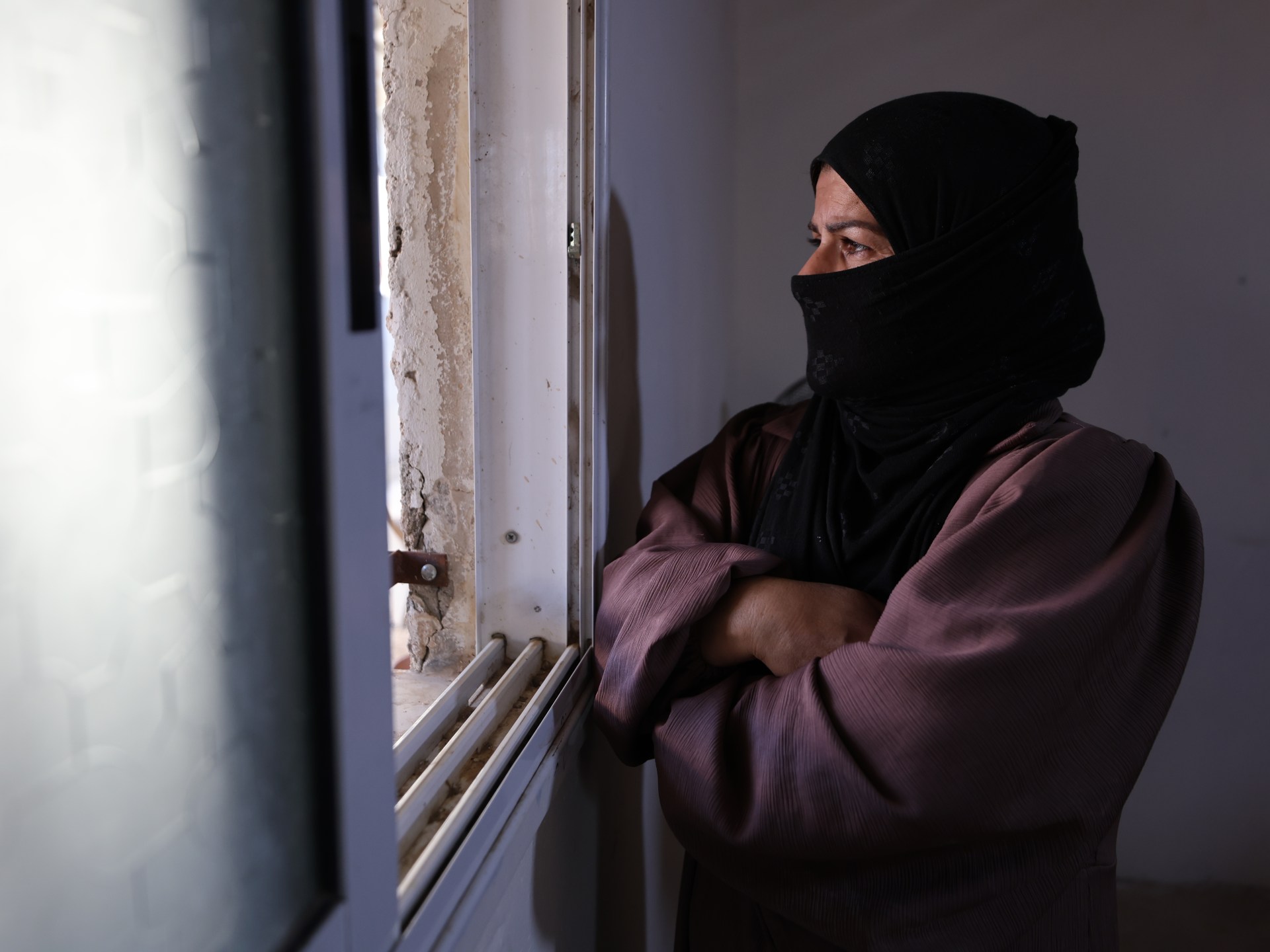
A Palestinian family in Umm al-Khair says a new Israeli outpost has left them struggling to reach their sheep enclosure and even their bathroom. The case shows how residents of the Masafer Yatta area in the occupied West Bank say settlement growth is pressing into the routines of village life.
Al Jazeera reported that Salem and Ikhlas al-Hathaleen live with their eight children in a sheet-metal-covered home in Umm al-Khair, one of the hamlets in southern West Bank’s Masafer Yatta. The report said an outpost linked to the nearby Carmel settlement was established last September about 20 metres from their house, on land the family had used for grazing and farming.
Ikhlas al-Hathaleen told Al Jazeera that she once began the day by feeding, watering and milking the family’s sheep and letting them graze. Since the outpost was set up, she said, reaching the enclosure behind the house has become difficult and sometimes impossible.
According to Ikhlas, the family was blocked from the enclosure for four straight days, then permitted one visit with Israeli soldiers present to give the animals food and water. She said the pattern continued, with access granted only occasionally, and that the family had checked the animals three times in July.
“I look every morning to see whether the sheep are still alive,” she told Al Jazeera. “I only wish I could reach them and take care of them like I used to.”
Bathroom access restricted
The family’s bathroom is a separate structure a short distance from the home, Al Jazeera reported. Ikhlas said settlers placed barriers near it in early July, including barbed wire and children’s playground equipment, making it harder for children and older people to get there.
She said the Israeli army later designated the area around the bathroom a closed military zone. As a result, the family, including a one-year-old child, has used a neighbour’s toilet, a route she said requires crossing a road used by settler vehicles.
Ikhlas told Al Jazeera that her five-year-old daughter, Swar, was injured last August after being hit on that road. She described the restrictions as a threat to the family’s ability to live normally at home, and said they would remain on their land.
Village leaders cite wider losses
Khalil al-Hathaleen, head of Umm al-Khair’s village council, told Al Jazeera that settlement activity in the area has grown in recent years. He cited the new outpost, roads for settlers and expanded control by existing settlements, which he said have depended on taking Palestinian land.
Khalil said the village’s livestock numbers have fallen from 3,000 to about 700 because herders face worsening conditions and reduced access to grazing areas. He also said more than 1,000 olive trees have been cut, 50,000 square metres of agricultural land have been taken over, and demolition orders have been issued for 14 homes and structures.
Al Jazeera reported that an Israeli court ordered the new outpost evacuated last October, but the order was later cancelled after the army did not carry it out.
Hisham al-Sharbati, a researcher with the Jerusalem Legal Aid and Human Rights Center, told Al Jazeera that his group has followed Umm al-Khair for years and that residents’ problems have worsened as settlement activity has expanded. He said the effects reach income, housing and basic facilities, and that Israeli and settler actions violate international law.
Children describe fear
Ahmed al-Hathaleen, a 31-year-old resident, told Al Jazeera he documents incidents in the village and has collected about 1,500 videos and 1,200 photos since April 2025. He said children, including his three, have been especially affected, with some suffering nightmares.
Sahm Khalil al-Hathaleen, 12, told Al Jazeera that children in the village want school and safe places to play. He said fear has become part of daily life as the nearby settlements continue to shape what children can do.
This story draws on original reporting from Al Jazeera.