
Washington says Iran talks remain alive after new exchange of strikes
A US official told Al Jazeera that technical negotiations remain on, though both sides accuse the other of breaching a June ceasefire memorandum.
By Lucas Ferreira · Science & Environment Writer
4 min read
A US official told Al Jazeera that Washington still intends to pursue negotiations with Iran after two days of direct attacks between the countries. The statement keeps a fragile diplomatic track open after the latest fighting threatened a June 17 memorandum meant to pause hostilities for 60 days.
Al Jazeera reported that the United States and Iran exchanged attacks from Tuesday night through Thursday, the sharpest escalation since the memorandum was signed. Neither government has formally ended the talks or declared the memorandum void, but each side says the other broke its terms.
Strikes test a 60-day pause
According to Al Jazeera, the US first struck 85 targets in Iran on Tuesday night and Wednesday morning after commercial ships in the Strait of Hormuz were attacked by Iran’s Islamic Revolutionary Guard Corps. The report said the ships appeared to have been targeted for not following a route approved by Iran through the strait.
Iran then attacked US military assets and infrastructure in Gulf states on Wednesday, Al Jazeera reported. The US followed with strikes on 90 Iranian targets Wednesday night and additional attacks Thursday on southern coastal and eastern provinces, including sites Iran said were civilian infrastructure.
Iranian media reported early Friday that several explosions were heard in southern Iran, including near Bushehr, Konarak, Choghadak and Bandar Abbas. The US denied involvement in those blasts, according to Al Jazeera, which reported that mediators were trying later Friday to restart diplomacy.
Trump sends mixed signals
US President Donald Trump said Wednesday at the NATO summit in Ankara that he believed the memorandum was “over,” according to Al Jazeera. He also said he would let negotiators keep talking, though he described the effort as a waste of time and used abusive language about Iran’s leadership.
On Thursday, Trump softened that position in comments to reporters aboard Air Force One, Al Jazeera reported. He said a return to full-scale war was not the goal, though he said it remained possible, and added that Tehran wanted an agreement.
Iran’s leaders have said they will not negotiate under attack, according to Al Jazeera. The Iranian Ministry of Foreign Affairs called the recent US strikes a war crime and accused Washington of violating the ceasefire provisions of the memorandum. Tehran has also filed a complaint against the US with the UN Security Council and the UN secretary-general.
When talks could resume
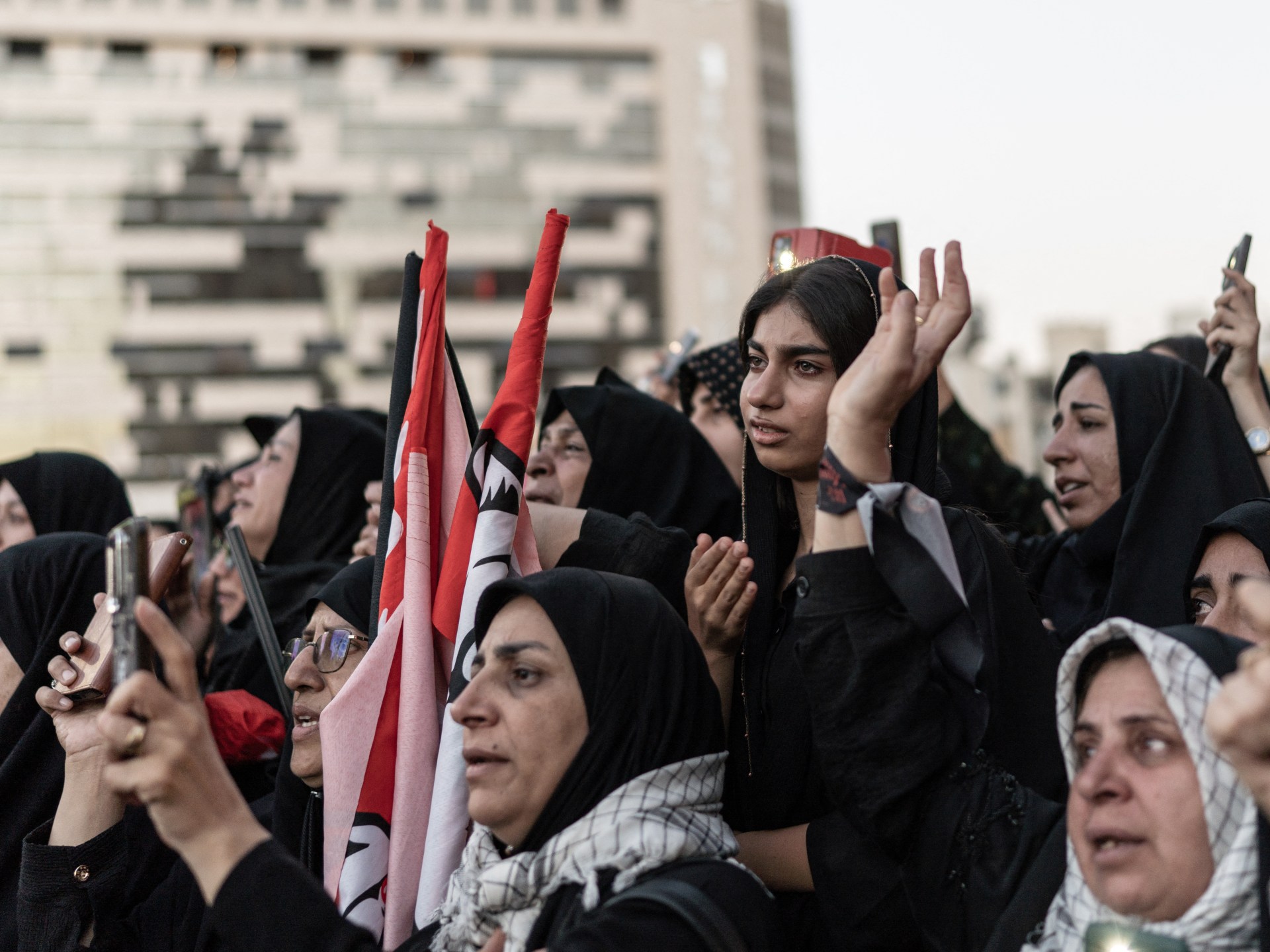
Talks had been expected to restart around July 11 after funeral ceremonies for former Iranian Supreme Leader Ali Khamenei, Al Jazeera reported. Iranian state media said Khamenei was buried Friday in Mashhad at the Shrine of Imam Reza, ending the funeral period.
The negotiations began after the June 17 memorandum, which called for a ceasefire on all fronts, including Lebanon, during a 60-day period for work on a lasting deal. Al Jazeera reported that the agenda included the Strait of Hormuz, Iranian assets frozen abroad, long-term sanctions relief and Tehran’s nuclear programme.
Some direct talks took place in Switzerland before the process shifted to indirect technical discussions in Doha, Qatar, according to Al Jazeera. Those discussions were paused during Khamenei’s funeral events. Trump had also promised that US attacks would not resume during the proceedings, Al Jazeera reported.
Disputes over Hormuz and Lebanon
The memorandum said Iran would allow commercial vessels to pass through the Strait of Hormuz without charge for 60 days, while the US would lift sanctions on Iranian oil and its naval blockade of Iranian ports, according to Al Jazeera. It also said Iran reaffirmed that it would not seek or develop nuclear weapons.
Washington says Iran violated the shipping clause by targeting vessels in the strait. The United Kingdom Maritime Trade Operations said a tanker caught fire off Oman on Monday after being hit by an unknown projectile, while Axios, citing two unnamed US officials, reported that the IRGC fired at least two missiles at commercial vessels.
Iran says the US violated the memorandum by striking Iran and by failing to stop Israeli attacks in Lebanon, according to Al Jazeera. The agreement refers to Lebanon, but Al Jazeera noted that Israel and Hezbollah are not signatories, leaving the ceasefire language open to dispute.
Analysts cited by Al Jazeera said the wording of the memorandum leaves key points unclear. Negar Mortazavi of the Center for International Policy told Al Jazeera that competing shipping routes and security systems in Hormuz have become the first major test of how the agreement is read and enforced.
This story draws on original reporting from Al Jazeera.