
Venezuela searches rubble as court backs border asylum limits
Venezuelan officials reported at least 235 deaths after two quakes, while the U.S. Supreme Court handed the Trump administration wins on asylum and TPS.
By Lucas Ferreira · Science & Environment Writer
3 min read
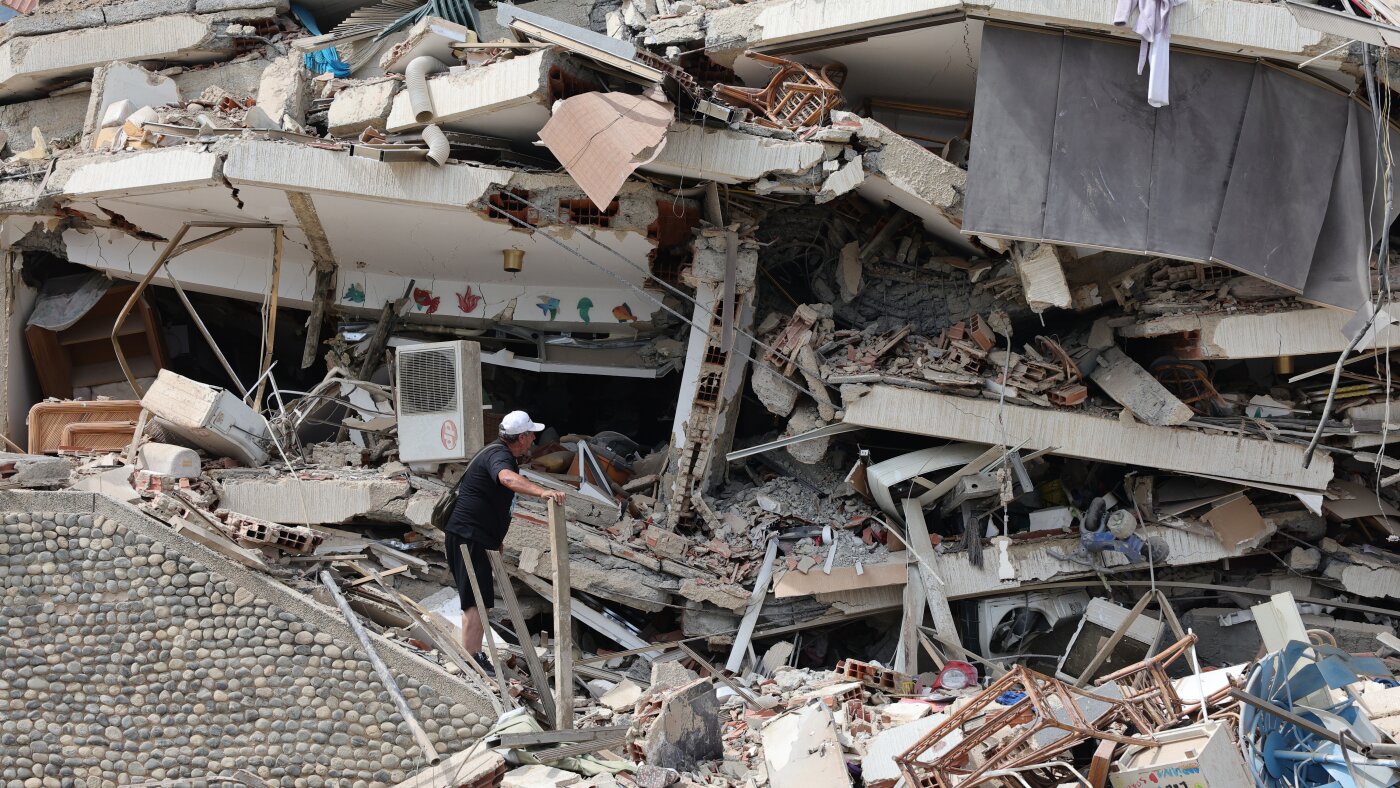
Rescue crews in Venezuela were digging through collapsed buildings after two strong earthquakes hit Caracas and nearby areas Wednesday night, NPR reported. The disaster has left thousands missing and is straining local emergency teams as officials warn the number of dead is expected to climb.
The Venezuelan government said at least 235 people had been confirmed dead and thousands more were injured, according to NPR. The earthquakes, measured at magnitudes 7.2 and 7.5, struck on land near major population centers, a factor geologist William Barnhart told NPR made the damage especially deadly.
Reporter Manuel Rueda told NPR’s Up First that residents in parts of the capital described scenes resembling a war zone, with many buildings reduced to rubble. He said thousands of people have lost their homes and are sleeping in parks, while others whose buildings remain standing are staying outdoors because they fear aftershocks.
Rueda said hundreds of people trapped inside damaged buildings were waiting for search-and-rescue help. Humanitarian groups in Venezuela told NPR that survivors will need food, shelter and medical care, and Rueda said the response is likely to take weeks.
NPR noted that Venezuela has limited experience responding to major earthquakes because such events are uncommon there. The last earthquake of similar scale to strike Caracas occurred in 1967, when a magnitude 6.7 quake killed more than 200 people, according to NPR.
Supreme Court rulings aid Trump immigration policy
In Washington, the U.S. Supreme Court ruled Thursday that federal law allows the government to stop asylum seekers from entering the country at the border, NPR reported. The 6-3 decision means people can be blocked from stepping onto U.S. soil, which can prevent them from starting an asylum claim.
Asylum is a legal protection for people fleeing persecution who meet specific requirements, NPR reported. The ruling gives the Trump administration broader authority at the border as it seeks to restrict access to that process.
The court also allowed the administration to move ahead with ending temporary legal status for hundreds of thousands of immigrants, according to NPR. NPR’s Ximena Bustillo said the case focused on Temporary Protected Status recipients from Haiti and Syria, but the decision has wider consequences.
Bustillo reported that TPS designations are set by the secretary of Homeland Security and can last from six to 18 months. The court accepted the government’s position that those decisions are left to the secretary and are not subject to legal review, according to NPR.
People now covered by TPS must either change their immigration status, where that is legally available, or leave the United States, Bustillo reported. Those who do neither could lose legal status and face arrest, detention and deportation, and many could lose work authorization because employers cannot legally hire workers without valid TPS status, according to NPR.
Ira Kurzban, an attorney representing Haitian TPS holders, argued to NPR that Haiti, Syria and other countries are not stable enough for people to return. NPR also reported that the Supreme Court issued other rulings Thursday, including decisions on state gun restrictions involving private property and liability claims against Monsanto over Roundup.
This story draws on original reporting from NPR.