
Venezuela quake toll passes 5,000 as IMF frees emergency funds
Officials said 5,069 people have died after the June 24 earthquakes, while the IMF confirmed $346 million in emergency financing for Venezuela.
By Sofia Marchetti · World Affairs Correspondent
2 min read
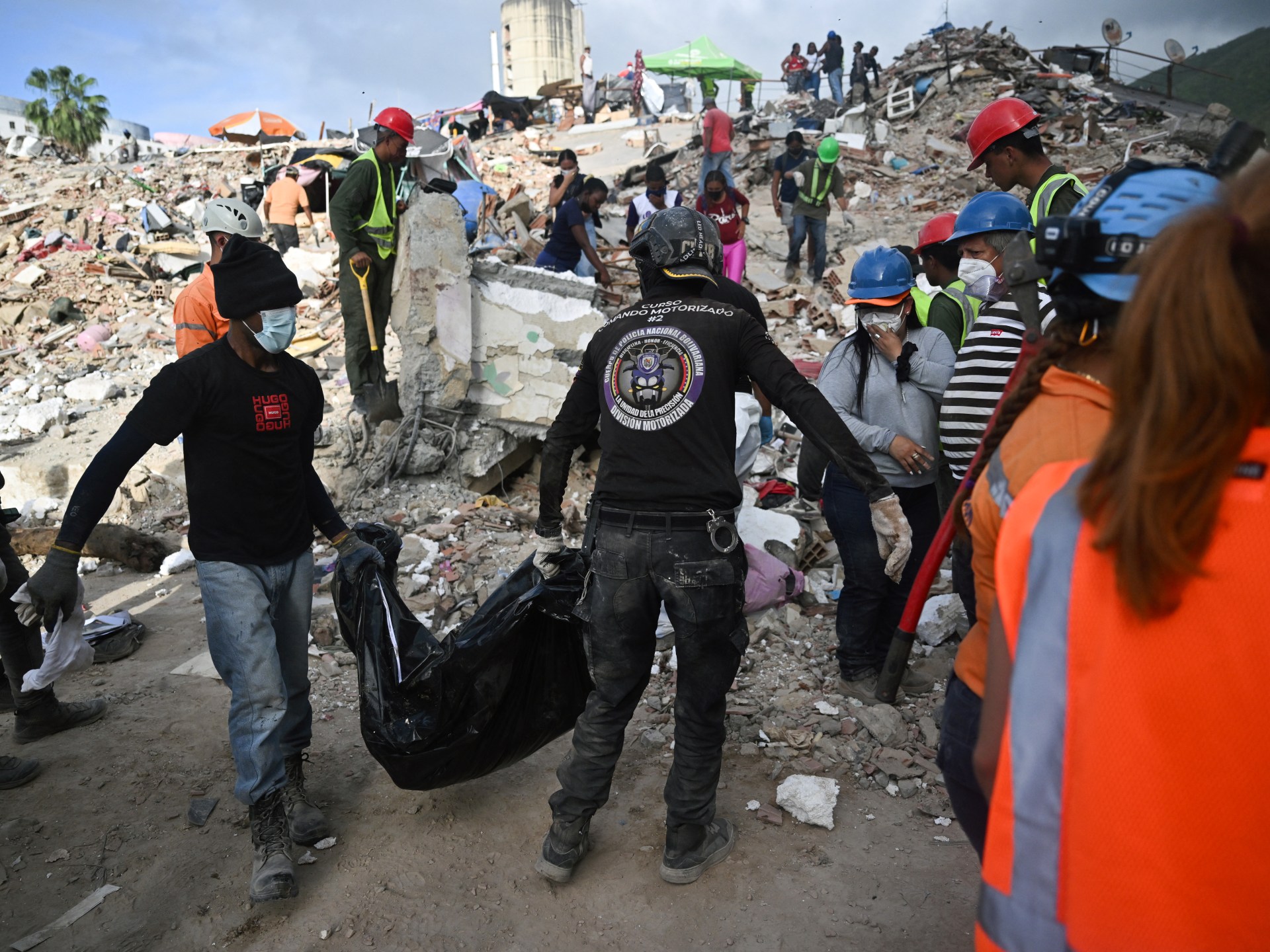
Venezuela’s confirmed death toll from two powerful June 24 earthquakes has risen above 5,000, deepening pressure on authorities as recovery teams continue to find bodies in wrecked coastal communities. The International Monetary Fund has released $346 million in emergency financing for humanitarian needs, according to IMF Managing Director Kristalina Georgieva.
National Assembly President Jorge Rodriguez said Friday that 5,069 deaths had been confirmed, with the heaviest losses in La Guaira, the coastal state north of Caracas. He said 16,740 people were injured, though most of those hurt have been released from hospital.
The toll has increased as crews remove debris from collapsed structures and reach places that were hard to access in the first days after the disaster, according to authorities. La Guaira includes Venezuela’s main international airport, an important seaport and many apartment towers, a number of which were badly damaged or brought down.
Damage centered on La Guaira
Authorities said the earthquakes had magnitudes of 7.2 and 7.5 and hit within a minute of each other. More than 1,300 aftershocks have been recorded since, according to officials.
About 20,000 people remain displaced, with many staying in crowded shelters that lack steady access to clean water or sanitation, authorities said. The continuing aftershocks and damaged infrastructure have complicated the recovery effort in communities along the Caribbean coast.
Interim President Delcy Rodriguez said Friday that Venezuela had obtained $346 million in emergency IMF financing. Georgieva said the money was being released from Venezuela’s reserve tranche at the fund to address urgent humanitarian needs.
IMF ties restored this year
The IMF and World Bank restored relations with Venezuela in April, after the United States forcibly removed former President Nicolas Maduro from power in January, according to the report by AFP, AP and Reuters. The institutions had cut ties in 2019 after declining to recognize Maduro’s government.
The disaster response has drawn growing criticism from survivors and government critics, who have accused authorities of moving too slowly while people were trapped beneath collapsed buildings. Rodriguez has rejected allegations that the response was delayed, saying the government acted quickly and blaming accusations of disorder on “media laboratories.”
Reuters reported Saturday that the rescue operation was slowed during its first days by delayed military deployment orders, shortages of basic rescue equipment and confusion from overlapping chains of command. The news agency attributed those findings to military and diplomatic sources.
Authorities have continued recovery work more than three weeks after the earthquakes. The latest official figures show the disaster has become one of Venezuela’s deadliest recent emergencies, with the search for victims still shaping the scale of the loss.
This story draws on original reporting from Al Jazeera.