
Venezuela quake shelters raise disease fears as aid expands
Doctors and aid workers warn crowded shelters, unsafe water and damaged hospitals could worsen the toll from Venezuela’s June 24 earthquakes.
By Sofia Marchetti · World Affairs Correspondent
3 min read
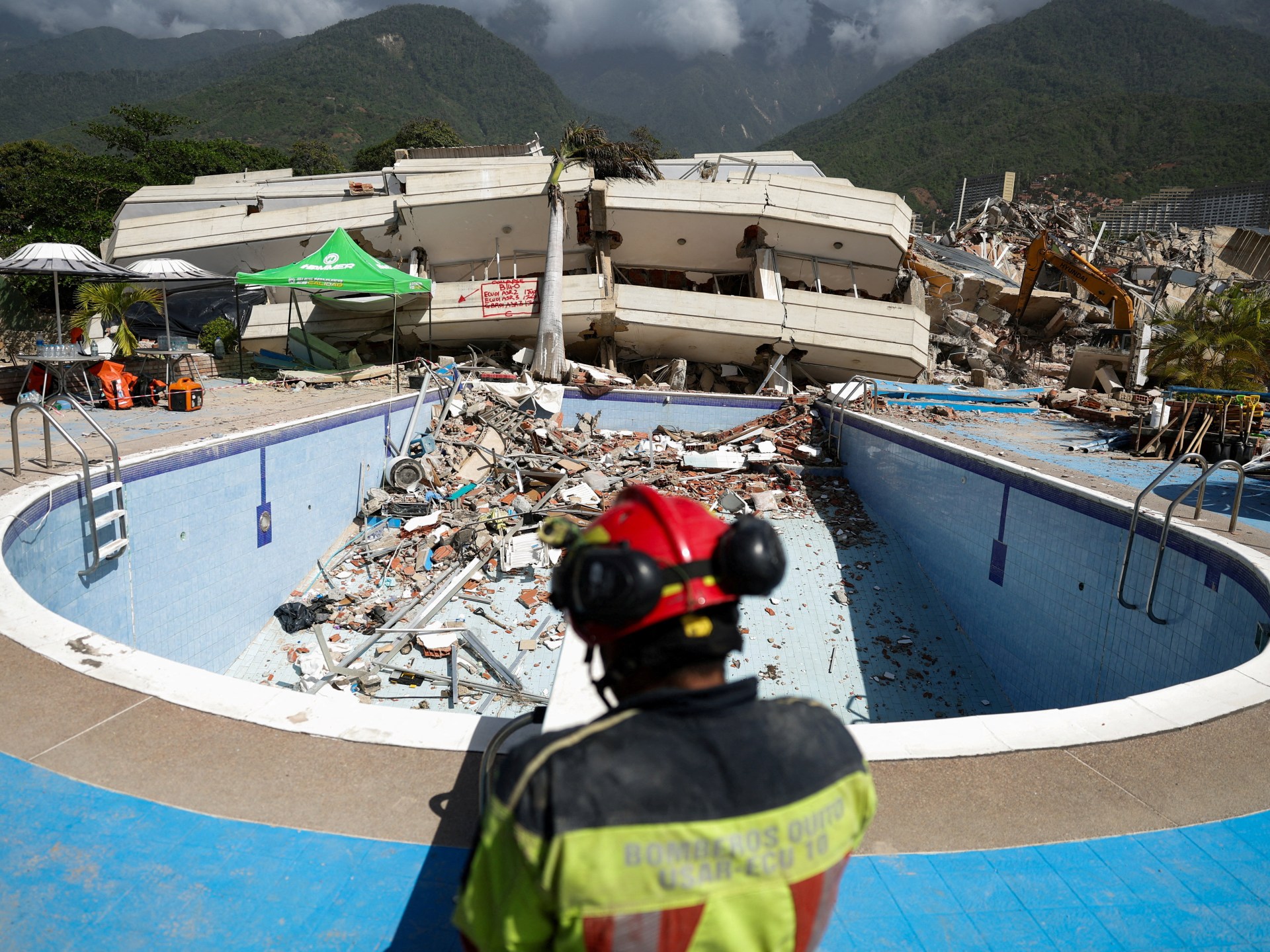
Doctors and aid workers in Venezuela are warning that the June 24 twin earthquakes could be followed by a broader health emergency. Officials said on July 1 that at least 2,295 people had died and more than 11,000 had been injured, according to Al Jazeera and The Associated Press.
Thousands of people displaced by the quakes are staying in temporary shelters or sleeping outdoors, Al Jazeera reported. Aid workers said crowded sites, poor sanitation and limited access to clean water are creating conditions for untreated wounds and infectious disease to spread.
Health risks rise in shelters
Eugenio Cova, who leads the trauma unit at Hospital Jose Gregorio Hernandez in Caracas, told Al Jazeera that doctors now expect infections among people who spent long periods exposed after the disaster. He said complex trauma cases have not stopped, but infection is becoming an added danger.
From a shelter in La Guaira, Al Jazeera correspondent Teresa Bo reported that residents had described cases of diarrhea and other illnesses. She said people at the site were asking for portable toilets and government help to reduce crowding and improve organization.
The US Geological Survey said the main earthquake was followed less than a minute later by a magnitude 7.5 aftershock, according to Al Jazeera. The damage has hit coastal communities and parts of the Caracas area, including La Guaira and Catia La Mar.
Foreign aid and rescue work
The United States had about 900 military personnel in Venezuela supporting rescue and relief work as of July 1, Steven McLoud, a spokesperson for US Southern Command, told AP. McLoud said US forces repaired an earthquake-damaged runway at Venezuela’s main international airport, which serves Caracas, to help humanitarian flights arrive.
McLoud also said US naval vessels were stationed off Venezuela’s coast to assist the operation, and that another 100 US Department of State personnel had been sent to support relief efforts. The administration of US President Donald Trump has offered $300 million in assistance through aid organizations and the United Nations, according to Al Jazeera and AP.
The UN Development Programme estimated material damage from the earthquakes at more than $6.7 billion through satellite analysis, Al Jazeera and AP reported. About 50 international aid teams have arrived in recent days for search-and-rescue work, including teams from Ecuador and Israel, which do not have diplomatic relations with Venezuela.
Rescuers were still finding some survivors days after the quakes, according to Al Jazeera. On July 1, the outlet reported that crews had found a toddler who had been trapped under rubble for six days.
Hospitals were strained before the quakes
Venezuela’s public hospitals were already short of water, electricity, medical equipment and trained staff before the disaster, according to Al Jazeera and AP. More than 7.7 million Venezuelans have left the country since its economic crisis began in 2013, and many specialist doctors and nurses were among those who departed, they reported.
Venezuela’s medical association estimates that about one-third of the country’s 60,000 registered doctors have left, according to Al Jazeera and AP. Huniades Urbina, a board member of Venezuela’s pediatrics association, said a 2025 national survey found shortages above 30 percent for emergency supplies and above 70 percent for operating-room supplies in public hospitals.
Urbina told Al Jazeera and AP that laboratories are “all practically closed or do the basic things only.” He said the earthquakes had again exposed the Venezuelan government’s failure to provide a healthcare system able to meet public needs.
This story draws on original reporting from Al Jazeera.