
Rescuers pour into Venezuela as quake toll rises to 235
International teams and aid shipments are reaching Venezuela after twin earthquakes killed 235 people and injured 4,300, officials said.
By James Whitfield · Staff Writer
3 min read
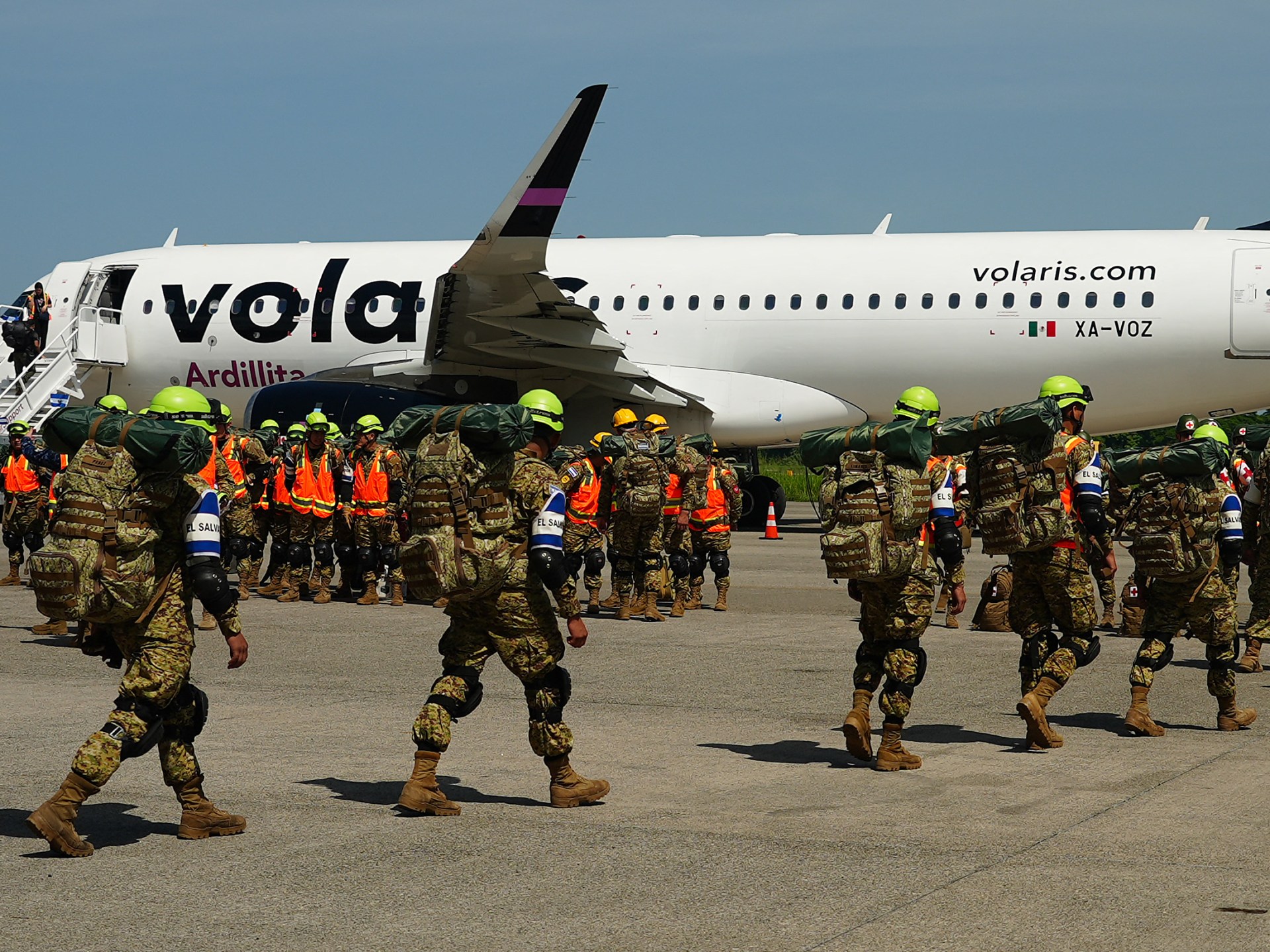
Foreign rescue crews and humanitarian aid are arriving in Venezuela as authorities search for survivors after two powerful earthquakes killed 235 people. Venezuelan officials said 4,300 people were injured, and hundreds more are believed to remain beneath collapsed buildings.
The earthquakes struck Wednesday with magnitudes of 7.2 and 7.5, according to reports by AFP and The Associated Press carried by Al Jazeera. The tremors were felt beyond Venezuela and were among the strongest recorded in the country in more than 100 years, Al Jazeera reported.
Countries across the Americas, including Brazil, Canada, Mexico, Colombia, El Salvador, Cuba and the United States, have sent or pledged rescue teams, medical support and supplies. The United Nations is also involved in the response.
UN aid chief Tom Fletcher said the organization was focused on getting help to people whose relatives were still missing under debris. “To the Venezuelan people, to those whose loved ones are under the rubble, know that we are determined that help gets to you,” Fletcher said.
La Guaira among hardest hit
Venezuela’s coastal state of La Guaira, north of Caracas, has suffered some of the worst destruction. Interior Minister Diosdado Cabello said more than 100 buildings there had fallen and at least 70,000 families had been affected.
The state is also home to Venezuela’s main international airport, which authorities closed because of damage. In La Guaira city, volunteers searched through wreckage by hand while families waited for information about missing relatives, AFP and AP reported.
On the highway between Caracas and La Guaira, residents carried water, food and medicine toward the coast as local rescue efforts struggled with the scale of the disaster. Pedro Perez, a 64-year-old upholstery workshop owner, said he had lost his home and business and was sleeping outside with his family.
“We lost everything. We have no food or medicines,” Perez said, adding that he hoped assistance would arrive quickly.
In Caracas, many residents spent the night outdoors or in vehicles because they feared more buildings could collapse. Journalist Maria Emilia Miro Quesada told Al Jazeera from the capital that people were uncertain about the condition of buildings and afraid to return home.
Aid pledges widen
The United States has promised what Secretary of State Marco Rubio called a rapid, broad government response. Al Jazeera reported that Washington planned to deploy warships, transport aircraft and helicopters and mobilize $150m in assistance, despite hostile relations after a January US military operation that Al Jazeera said ended with the abduction of President Nicolas Maduro.
Brazilian President Luiz Inacio Lula da Silva said Brazil would send a field hospital, firefighters and additional support staff. El Salvador’s President Nayib Bukele said 300 rescuers and paramedics were ready to deploy with 50 tonnes of equipment, medicine and basic supplies.
Cuban Foreign Minister Bruno Rodriguez said Cuban health workers were already providing medical care in affected areas. Mexican President Claudia Sheinbaum said Mexico was sending a military rescue and medical team and could provide more support if needed.
Colombia’s disaster management agency said the country would send more than 60 rescuers and 12 tonnes of humanitarian aid. Offers of support have also come from Europe, China, India and Iran, Al Jazeera reported.
The International Federation of Red Cross and Red Crescent Societies said it released $2.5m for recovery work. The Vatican said Pope Leo XIV sent an initial 100,000 euros, about $114,000, in emergency aid.
Al Jazeera correspondent Alessandro Rampietti, reporting from Bogota, said Venezuela’s recovery could be slowed by years of economic collapse, unreliable power and weakened public services. He said many hospitals were already operating below capacity before the earthquakes.
This story draws on original reporting from Al Jazeera.