
Venezuela ICC withdrawal puts court probe and US alignment in focus
Venezuela says it is leaving the ICC, a move experts say will not end a crimes against humanity investigation already under way.
By Daniel Okafor · Business Editor
4 min read
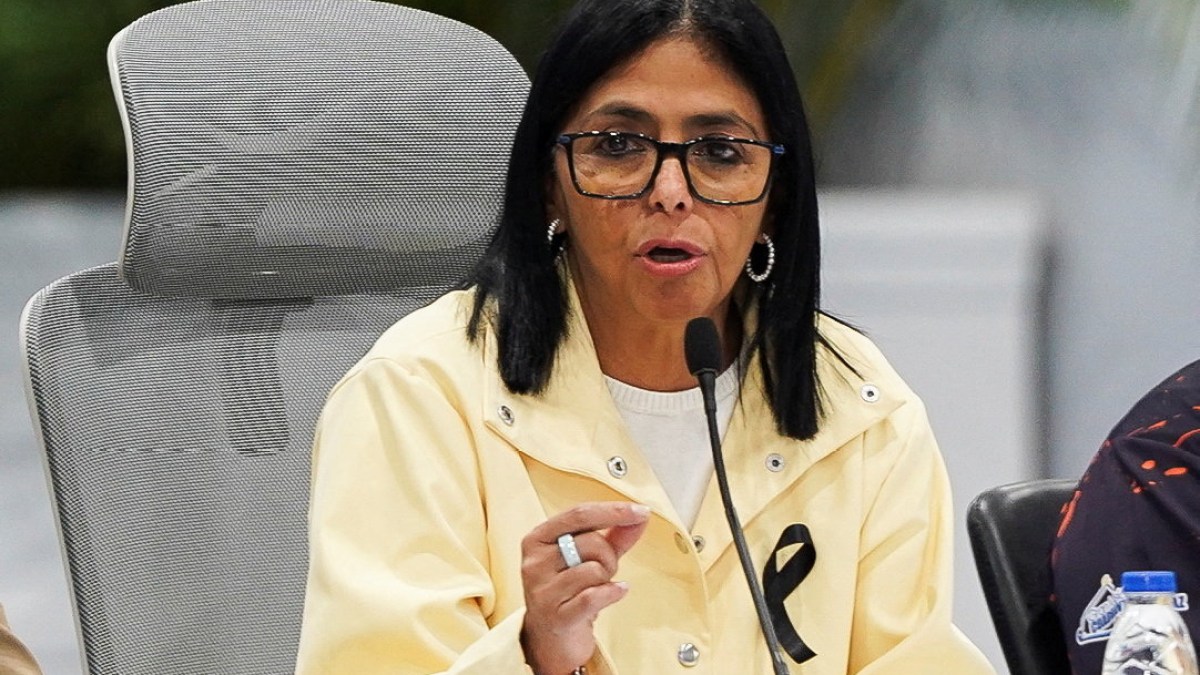
Venezuela’s ICC withdrawal has put new pressure on an international court already facing attacks from Washington and several member-state exits. Foreign Minister Felix Plasencia said Friday on X that Caracas had notified the United Nations it was leaving the Rome Statute, the treaty that created the International Criminal Court.
Plasencia said the move was ordered by Interim President Delcy Rodriguez and described it as “firm and irrevocable,” according to Al Jazeera. He accused the Hague-based court of geographical bias, saying it had focused too heavily on countries in Africa and Latin America.
The US Department of State welcomed the decision, according to Al Jazeera, and praised Rodriguez for joining what it called American-led efforts against the ICC. The department said the court had spent years investigating former President Nicolas Maduro without results and urged other ICC members to quit the Rome Statute.
Why is Venezuela leaving the ICC?
Venezuela says it is leaving because it believes the ICC has targeted poorer regions unfairly. Mark Kersten, a professor of human rights and international criminal law at the University of the Fraser Valley, told Al Jazeera that the criticism had more force when many ICC targets were African leaders, but said it is less persuasive now because the court has pursued figures including Russia’s Vladimir Putin and Israel’s Benjamin Netanyahu and Yoav Gallant.
Analysts who spoke to Al Jazeera also linked the timing to Venezuela’s shift toward Washington under Rodriguez. Francisco Rodriguez, a senior research fellow at the Center for Economic and Policy Research and founder of Oil for Venezuela, said Caracas had moved on the ICC after the Trump administration urged countries to leave the court.
Rodriguez said Venezuela’s National Assembly vote in December to begin withdrawing from the Rome Statute appeared aimed at shielding Maduro and senior officials from scrutiny. He told Al Jazeera that the later formal notification showed Venezuela aligning its diplomacy with a US campaign against the court.
What happens to the ICC investigation now?
The ICC told Al Jazeera it had not yet received formal notice through the UN treaty office. Under the Rome Statute, the court said, a withdrawal takes effect one year after notification and does not affect investigations already opened or issues already before the court.
That means the ICC can continue its Venezuela investigation, according to Kersten and other experts cited by Al Jazeera. The court opened the investigation in 2021 after prosecutors said there was a reasonable basis to believe Venezuelan security forces and pro-government groups committed crimes against humanity during a crackdown on anti-government protests beginning in 2017.
Laura Dib, Venezuela programme director at the Washington Office on Latin America, told Al Jazeera that the withdrawal would add to frustration among Venezuelans who have submitted testimony to the court. She said victims had put themselves at risk by giving information to investigators and warned that attacks on the ICC, including US sanctions on judges and prosecutors, could make cases harder to advance.
The court’s work also depends on state cooperation, Francisco Rodriguez told Al Jazeera. He said the withdrawal signals that Caracas does not intend to cooperate, at a time when officials covered by the investigation remain in office and some have been promoted.
The ICC faces wider pressure
Venezuela’s move comes during a broader crisis for the ICC. Al Jazeera reported that Chad announced plans Monday to withdraw, accusing the court of limited and uneven performance and saying it had focused disproportionately on African cases.
Chad’s move followed similar decisions by Burkina Faso, Mali and Niger last year, according to Al Jazeera. Chad’s government said Washington had urged it to review its Rome Statute membership.
The court also lost its elected chief prosecutor on Friday after member states voted to dismiss Karim Khan over sexual assault allegations, which he denies, Al Jazeera reported. Kersten told Al Jazeera that the ICC’s future depends less on US opposition than on whether member states that support the court actively defend and expand it.
This story draws on original reporting from Al Jazeera.