
US renews Iran port blockade as Gulf attacks widen
Washington and Tehran traded new attacks as a June peace memorandum appeared to collapse and shipping risks rose around the Strait of Hormuz.
By James Whitfield · Staff Writer
3 min read
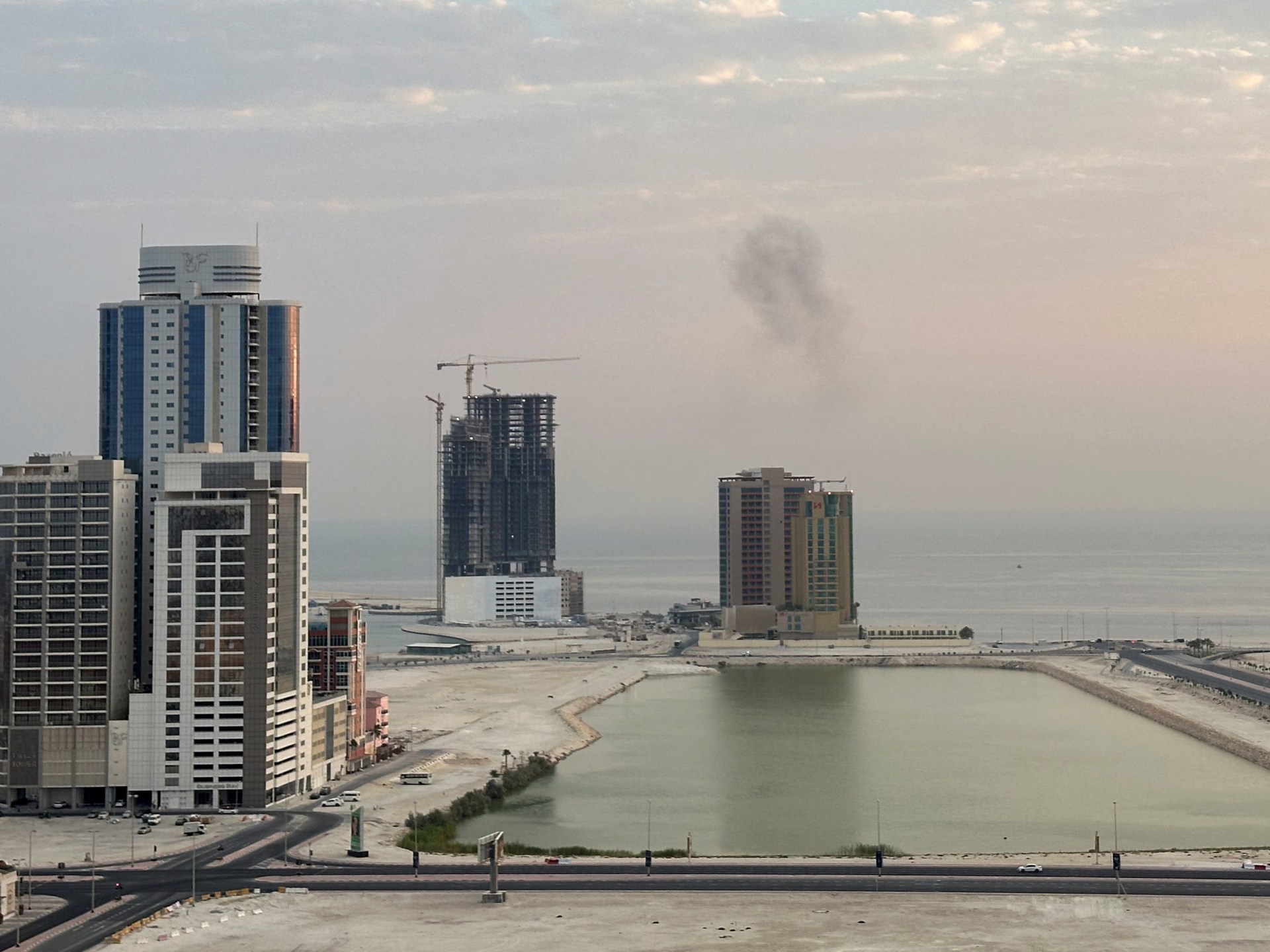
The United States carried out fresh strikes in Iran and resumed a blockade of Iranian ports as Tehran attacked Gulf targets and ships near the Strait of Hormuz, Al Jazeera and AFP reported. The renewed fighting threatens a key global shipping route and appears to have ended a June 17 memorandum meant to halt the conflict.
Iranian state media, citing the deputy governor of Khuzestan province, said US strikes hit Abadan, home to the Middle East’s oldest oil refinery, and the port city of Mahshahr. The local governor’s office said a US projectile also struck Qeshm Island.
Reuters reported that an unnamed US official confirmed several additional strikes on Iranian military targets, saying they were intended to remove “emerging threats.” The US military said it had also struck targets across Iran on Monday night, including in Bushehr and Bandar Abbas, to reduce Iran’s ability to attack commercial shipping, according to Al Jazeera.
Ships hit near Hormuz
Iran struck two ships in Omani waters in the Strait of Hormuz, killing one crew member, the United Arab Emirates said. Iran also carried out retaliatory attacks on Kuwait, Bahrain and Jordan on Tuesday, according to Al Jazeera and AFP.
Iran’s Islamic Revolutionary Guard Corps said it had disabled two supertankers after they ignored repeated warnings. The IRGC accused the US of encouraging vessels to use what it called an illegal route and said cooperation with the United States would bring damage, delays in reopening the strait and an energy crisis.
Qatar, which has acted as a mediator, condemned the attacks on tankers moving through the Strait of Hormuz, according to Al Jazeera and AFP. Oman urged all sides to respect international law on navigation in the waterway.
The International Maritime Agency said it was concerned by the latest attacks in the strait, which it said had killed two seafarers. The agency said the “cycle of escalation must end.”
Regional air attacks
The IRGC claimed an attack on US military facilities in Jordan, while Bahrain said it had repelled an Iranian aerial attack. Bahrain hosts a US naval base.
Later Tuesday, Kuwait said its armed forces were engaging “hostile” aerial targets, and Bahrain’s Interior Ministry said sirens had sounded, according to Al Jazeera and AFP. Al Jazeera correspondents in Tehran and Doha reported continued concern that the exchange of attacks could widen further.
US President Donald Trump said on Truth Social that he was dropping a planned 20 percent US reimbursement fee on ships passing through the Strait of Hormuz. He said the levy would be replaced by trade and investment deals with Gulf states.
Speaking later at the White House, Trump accused Iran of starting the latest escalation, which Al Jazeera said began July 7. He said Iran “shot first” and said the US had been hitting Iranian targets in response.
Alex Vatanka, a senior fellow at the Middle East Institute, told Al Jazeera that Trump appeared to be betting Iran would return to talks under pressure. Vatanka called that approach a gamble and said Iran has signalled it would answer pressure with retaliation rather than concessions.
Iranian state media cited Deputy Foreign Minister Kazem Gharibabadi as saying the US had destroyed the memorandum and violated its obligations under it. He said Iran no longer had commitments under the memorandum, including on the Strait of Hormuz, and rejected the idea that a US blockade could force Tehran back to negotiations.
This story draws on original reporting from Al Jazeera.