
US prices fell in June as gasoline costs dropped
Consumer prices declined 0.4% in June, the Labor Department said, but annual inflation remained elevated at 3.5%.
By Sofia Marchetti · World Affairs Correspondent
3 min read
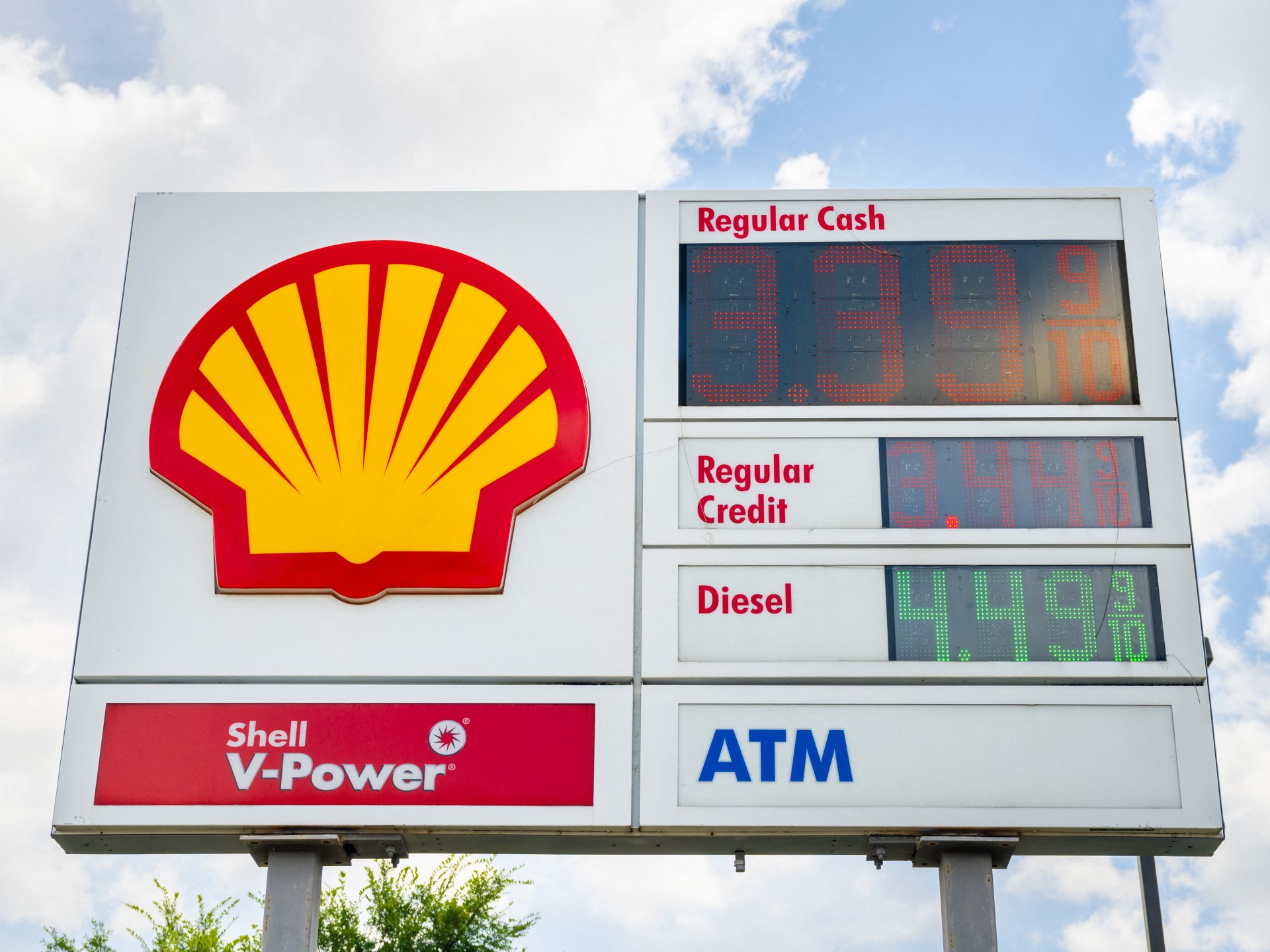
US consumer prices fell in June as lower energy costs pulled inflation down for the month, according to Consumer Price Index data released Tuesday by the Department of Labor’s Bureau of Labor Statistics. The drop offers some relief for households, though yearly price growth remained well above the Federal Reserve’s comfort zone.
The CPI declined 0.4% from May, the bureau said. Energy prices drove the move, falling 5.7% in their steepest monthly decline since April 2020. Oil prices dropped 9.7%, while gasoline prices fell 9.5%.
The decline followed a temporary easing of worries in global energy markets tied to the Strait of Hormuz, according to Al Jazeera. The American Automobile Association said the average price of a gallon of gasoline was $3.85, down from $4.07 a month earlier.
The White House tied the decline to President Donald Trump’s comments about shipping through the Strait of Hormuz. In a post on X, White House Deputy Press Secretary Kush Desai said Trump had argued that as traffic there returned to normal, oil prices and overall inflation would fall sharply.
Energy analysts warned that the June data may not capture more recent price pressure. Al Jazeera reported that a ceasefire between the US and Iran broke down after commercial tankers were hit during fighting last week, and AAA data showed gasoline prices had risen from $3.79 since then.
Patrick De Haan, head of petroleum analysis at GasBuddy, said on X that the June CPI was looking backward because it reflected prices from weeks earlier. He said West Texas Intermediate crude was above $80 and that national gasoline prices were rising, with $4 gasoline and higher diesel prices possible soon.
Other categories also posted monthly declines, according to the Labor Department data. Apparel prices fell 0.6%, used cars and trucks slipped 0.2%, and electricity costs declined 1%.
Food prices moved the other way, rising 0.2% from May. Meat prices increased 0.6%, and lettuce prices rose 6.5%. Fresh fruits and vegetables fell 0.5%, helped by a 10% drop in tomato prices.
Annual inflation remained elevated
Compared with a year earlier, consumer prices were up 3.5%, the Bureau of Labor Statistics said. That was down from May’s 4.2% annual increase, which Al Jazeera reported was the highest in more than three years.
Energy costs remained much higher than a year earlier despite June’s monthly decline. The bureau’s figures showed energy prices up 15.7% year over year, including a 27% rise in gasoline. Shelter costs increased 3%.
Grocery prices were also higher on an annual basis. The Labor Department said grocery costs rose 3% from a year earlier, with meat up 7.4% and fresh fruits and vegetables up 5.3%.
The inflation report came as the Federal Reserve faces pressure over interest rates under Chairman Kevin Warsh, who replaced Jerome Powell in May. In prepared remarks to lawmakers, Warsh said the central bank has “no tolerance for persistently elevated inflation.”
CME FedWatch, which tracks market expectations for monetary policy, put the probability of rates staying at 3.5% to 3.75% at 87.7% for the Fed’s next meeting this month. The remaining probability pointed to a quarter-point increase to a range of 3.75% to 4%.
US stocks rose after the inflation data, according to Al Jazeera. In midday trading, the Nasdaq was up 0.9%, the S&P 500 gained 0.5%, and the Dow Jones Industrial Average added 0.1%.
This story draws on original reporting from Al Jazeera.