
US oil reserve falls to 1983 low as Iran tensions lift prices
The Strategic Petroleum Reserve is shrinking as conflict risks threaten global oil flows and raise costs for US refiners and drivers.
By Sofia Marchetti · World Affairs Correspondent
3 min read
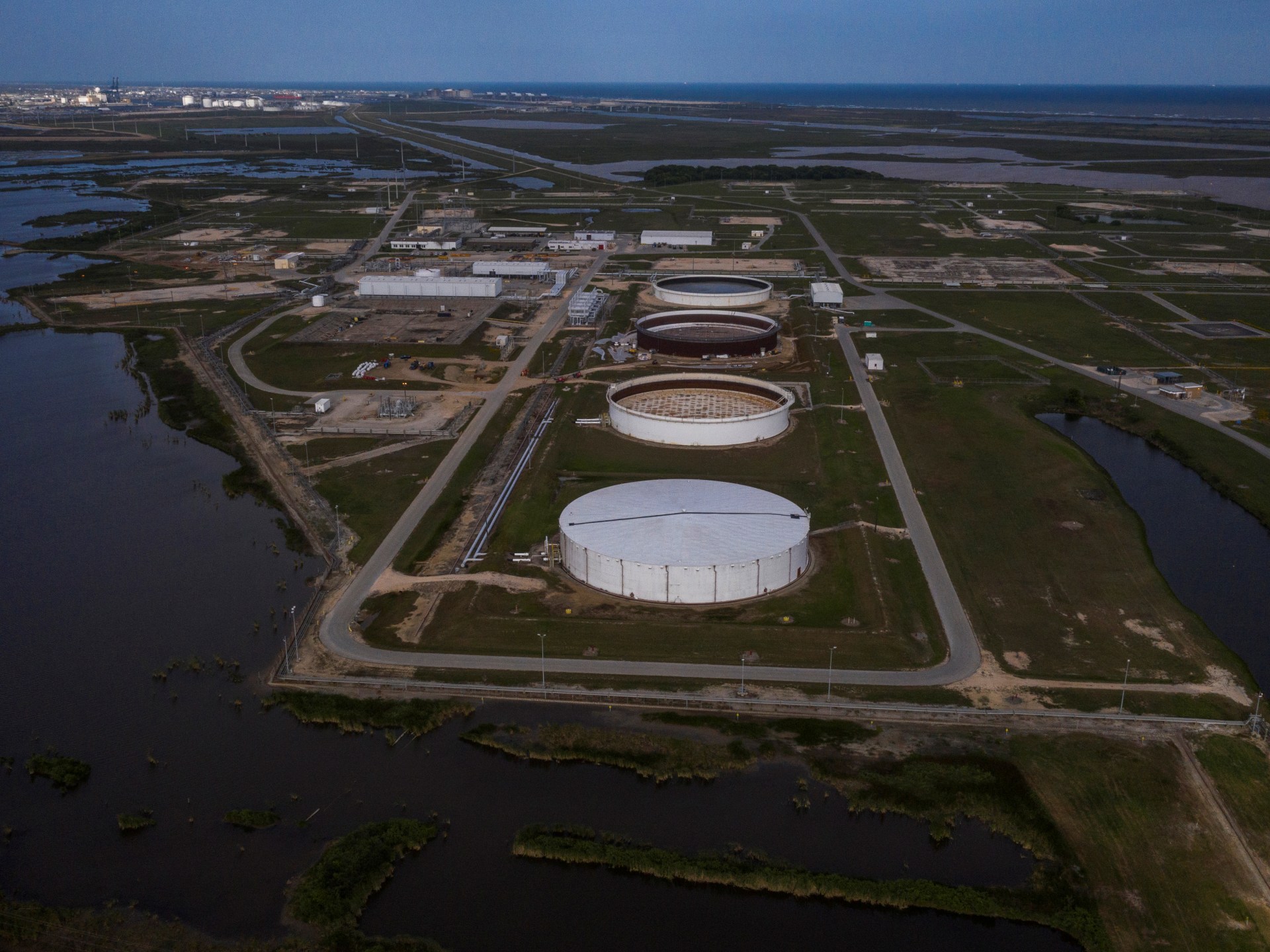
The US Strategic Petroleum Reserve has dropped to its lowest level since 1983 as renewed US-Iran tensions put oil supplies and prices back under strain. The drawdown matters because the reserve is meant to cushion supply shocks, and lower inventories give Washington less room to respond if a disruption lasts.
Department of Energy data show the reserve fell by 6.2 million barrels in the week ending July 3, reaching 319.5 million barrels. Its total storage capacity is 713.5 million barrels, a level it was last near in the 2010s, according to Al Jazeera.
US President Donald Trump told reporters Wednesday that oil prices tend to rise when the United States strikes Iran. Brent crude futures settled at $78.02 a barrel that day, up 5.2 percent from the previous session and at their highest level since June 19, Al Jazeera reported.
Why US drivers still feel a global shock
The United States produces more oil than any other country and exports more petroleum products than it imports, according to Al Jazeera. About 60 percent of crude refined in the country comes from US production, with most imports supplied by Canada and Mexico.
Only about 7 percent of crude consumed in the US moves through the Strait of Hormuz, Al Jazeera reported. Even so, crude prices are set in global markets, so a threat to supplies in the Gulf can raise costs for refiners far from the region.
Maksim Sonin, an energy executive who works with Stanford University’s Center for Fuels of the Future, told Al Jazeera that energy independence does not mean protection from global price swings because oil trades across connected markets. If shipments through Hormuz are disrupted, buyers in Asia and elsewhere compete for replacement barrels, lifting benchmark prices that feed into US fuel costs.
Higher crude prices can spread beyond gasoline. Al Jazeera reported that airlines, trucking firms and food suppliers face higher fuel and transport costs when crude rises, and those costs can reach consumers through fares, freight, groceries and other goods.
What the reserve is for
The Strategic Petroleum Reserve is the world’s largest emergency crude stockpile, according to Al Jazeera. The US created it in 1975 after the Arab oil embargo exposed the country’s vulnerability to imported energy shortages.
The reserve holds hundreds of millions of barrels in underground salt caverns at four Gulf Coast sites. Al Jazeera reported that the oil can reach nearly half of US refineries by pipeline or barge, then be processed and sold to help offset missing supply.
Abhi Rajendran, a non-resident fellow at Rice University’s Center for Energy Studies, told Al Jazeera the reserve exists for conflicts, outages and major disruptions. The government has used it after Hurricane Katrina in 2005, after Russia’s 2022 invasion of Ukraine, and during the current release that began in March in coordination with the International Energy Agency.
The reserve was already low before the latest drawdown. Former President Joe Biden authorized a 180 million-barrel release after Russia’s invasion pushed Brent crude above $130 a barrel in March 2022, and Congress required additional sales in 2023, according to Al Jazeera.
Sonin told Al Jazeera that strategic reserves buy governments time rather than solve prolonged supply crises. Rajendran also said the US has been drawing from storage, including the SPR, to help balance global markets, a practice he described as difficult to sustain for an extended period.
A smaller reserve may also affect market confidence. Sonin told Al Jazeera that if the US stopped releasing oil during a crisis, traders could read that as a sign the situation is worse than expected, adding pressure to prices.
This story draws on original reporting from Al Jazeera.