
U.S. and Iran trade strikes as American military deaths rise
U.S. forces struck Iran for a ninth day after more American deaths, while Iran reported attacks on Gulf targets and shipping near Hormuz.
By Daniel Okafor · Business Editor
3 min read
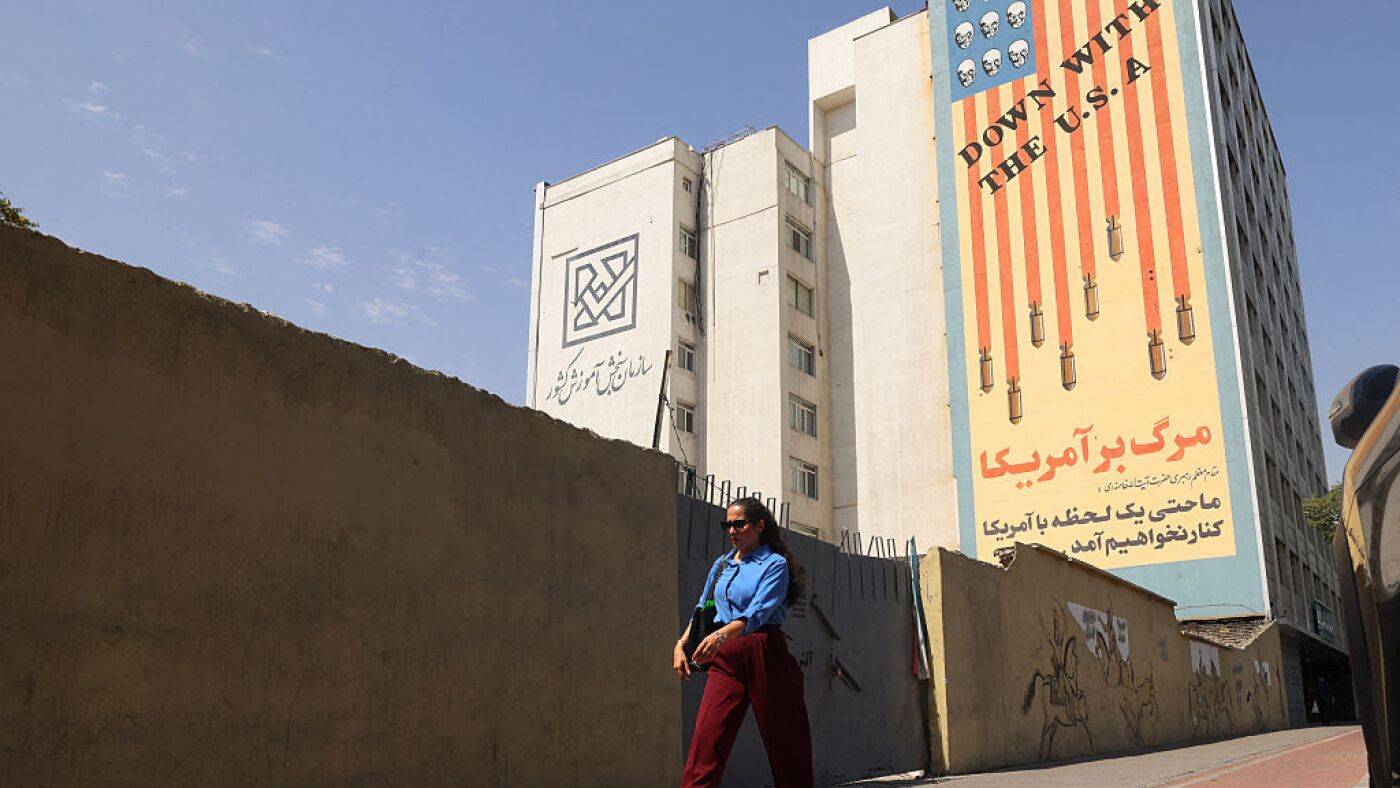
The U.S. military launched another round of airstrikes in Iran after announcing that a third American service member had died in operations since Friday, NPR reported. The exchange has widened pressure around the Strait of Hormuz, a major oil route, and pushed benchmark crude above $90 a barrel, according to NPR.
U.S. Central Command said one service member was killed during a controlled detonation of an Iranian drone in Iraq’s Kurdistan Region. CENTCOM also said it had found unidentified remains at a base in Jordan where two U.S. military personnel were killed in an Iranian strike on Friday, and said it was still working to identify the deceased.
The latest U.S. strikes marked the ninth straight day of bombing after peace talks between Washington and Tehran broke down over a memorandum of understanding tied to the Strait of Hormuz, NPR reported. President Trump told reporters after returning to Maryland from the World Cup final that the strikes were carried out “in honor” of the dead service members, and said U.S. forces had hit Iran hard again.
Casualty claims from both sides
The U.S. says 17 American military personnel have been killed in the conflict with Iran, NPR reported. Iran says at least 3,000 Iranians have been killed since the U.S. and Israel began the war against Iran on Feb. 28, many of them civilians, according to NPR.
Iran’s reported toll includes 168 children and 14 adults killed in a strike on a girls’ school, NPR reported. The U.S. military says it has not completed a full review of that attack.
Iran reports attacks in Gulf states and at sea
Iran continued attacks Monday after U.S. strikes hit bridges and electrical infrastructure in a southern Iranian province along the Strait of Hormuz, NPR reported. Iran had said it would answer in kind, and over the weekend it targeted electricity facilities and water desalination plants in Kuwait, which hosts a large U.S. military presence, according to NPR.
Iran also targeted Bahrain, where the U.S. Navy’s 5th Fleet is based, NPR reported. Iranian officials said U.S. missiles hit several Iranian cities early Monday local time, but did not provide casualty figures or damage details.
Iran said Monday that it had disabled two oil tankers that tried to pass through the Strait of Hormuz without Iranian permission. The British military said a vessel was burning near Oman’s coastline in the strait, though NPR reported it was unclear whether that ship had been attacked by Iran.
Jordan and Aqaba face spillover
Iran said its missiles targeted U.S. military aircraft at the international airport in Aqaba, Jordan, according to NPR. Tehran claimed the strikes damaged U.S. transport aircraft and command-and-control aircraft, but NPR reported there was no confirmation of that claim.
The U.S. Embassy on Sunday told Americans to stay away from Aqaba’s airport and seaport because of threats, NPR reported. Jordan denied that the sites faced threats, but Iranian missiles hit shortly afterward; Aqaba’s airport was operating again Monday, according to NPR.
Military experts told NPR that the U.S. has been sending more air defense assets into Jordanian bases since the war began. NPR reported that Jordan hosts a substantial but low-profile U.S. military presence, while much of the Jordanian public opposes support for Israel because of its actions in Gaza and the Israeli-occupied West Bank.
This story draws on original reporting from NPR.