
U.S. and Iran escalate strikes as Hormuz deal collapses
U.S. and Iranian attacks have widened after a short-lived deal over the Strait of Hormuz fell apart, raising risks for shipping and Gulf states.
By Sofia Marchetti · World Affairs Correspondent
3 min read
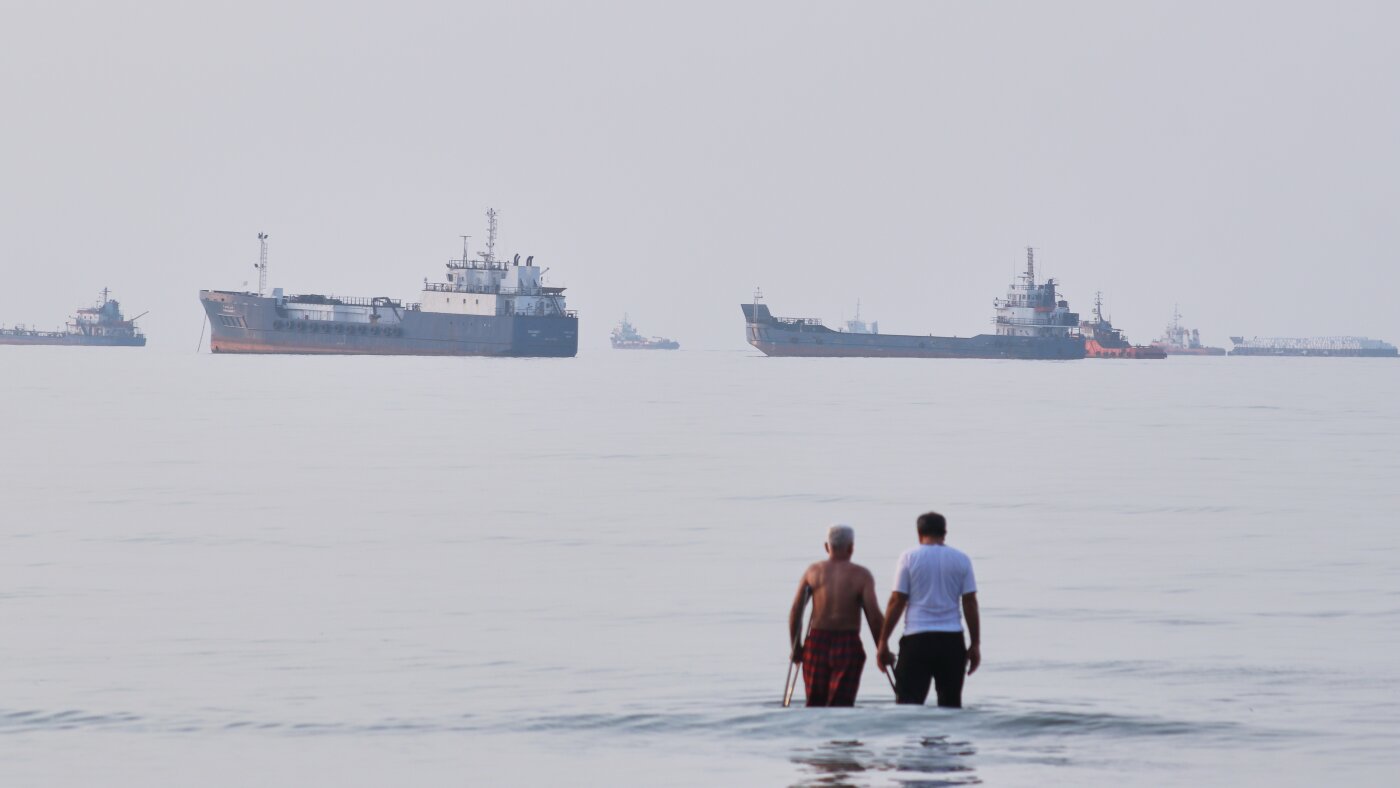
The United States and Iran have resumed escalating military attacks after a preliminary agreement meant to halt their war broke down, the Associated Press reported. The fighting centers on the Strait of Hormuz, a route AP described as vital to global oil and gas trade and now a flashpoint for strikes on ships, military sites and infrastructure.
According to AP, the latest spiral began June 25, when an Iranian drone hit a cargo ship using an alternate route through the strait overseen by the U.S. military. AP reported that the attack caused no casualties or major damage, but it set off a series of U.S. strikes and Iranian counterstrikes that have eroded the deal signed a week earlier.
Dispute over the strait
AP reported that Iran had warned ships not to use the U.S.-supervised route, saying it violated the preliminary agreement. Tehran says the deal recognized its right to manage traffic through the strait and potentially collect fees, according to AP.
The United States and other governments reject that position, AP reported, arguing that the waterway should remain open to all vessels without tolls as it was before the war. AP said Iran had largely shut down the strait after the Feb. 28 U.S.-Israeli attack that began the conflict.
In peacetime, the strait carried about one-fifth of the world’s traded oil and gas, according to AP. Tehran views control over the passage as a major point of leverage against Washington, AP reported.
Strikes spread beyond shipping
The U.S. military launched strikes on Iran the day after the June 25 ship attack, targeting what it described as missile and drone sites and coastal radar positions, AP reported. Iran then hit a tanker using the alternate route, prompting more U.S. strikes, according to AP.
AP reported that Iran also attacked Kuwait and Bahrain, both of which host U.S. troops. Delegations from the two sides later traveled to Qatar, which helped mediate the preliminary deal, but AP reported that they did not meet directly.
Fighting resumed after Iran attacked three ships in the Strait of Hormuz, AP reported. The United States answered with strikes it said hit air defense systems, radars and more than 60 small boats used by Iran’s Revolutionary Guard, whose vessels have been used to harass shipping in the strait, according to AP.
Washington also revoked a waiver that had allowed Iran to sell oil internationally for U.S. dollars for the first time in years, AP reported. Iran condemned the renewed sanctions and U.S. military action as violations of the agreement, while its military command called control of the strait an “unbreakable red line,” according to AP.
Civilian infrastructure fears
AP reported that the United States restored its blockade on Iranian ports on Wednesday, reversing another part of the interim agreement. In recent days, U.S. strikes have expanded to northern Iran and to targets in the south, including bridges and power stations, according to AP.
Iran said Friday that renewed U.S. attacks had killed at least 46 people and wounded more than 400, AP reported. The United States said one Friday strike collapsed a tower used by the Revolutionary Guard for maritime surveillance at one of Iran’s main ports, according to AP.
AP reported that President Donald Trump has repeatedly threatened strikes on Iranian civilian infrastructure and earlier in the war vowed to annihilate Iran’s “whole civilization,” though he had previously held back while citing diplomatic progress. Iran attacked a water desalination plant in arid Kuwait on Friday and again Saturday, according to AP.
Trump has also discussed taking control of the strait by force, possibly by seizing strategic Iranian-held islands, AP reported. Such a move would likely require a much larger naval presence and potentially tens of thousands of ground troops, according to AP.
This story draws on original reporting from NPR.