
US holiday air travel falls as fuel costs lift fares
TSA data showed fewer passengers over the July 4 weekend as oil prices and higher airfares add pressure to airlines and travelers.
By Lucas Ferreira · Science & Environment Writer
3 min read
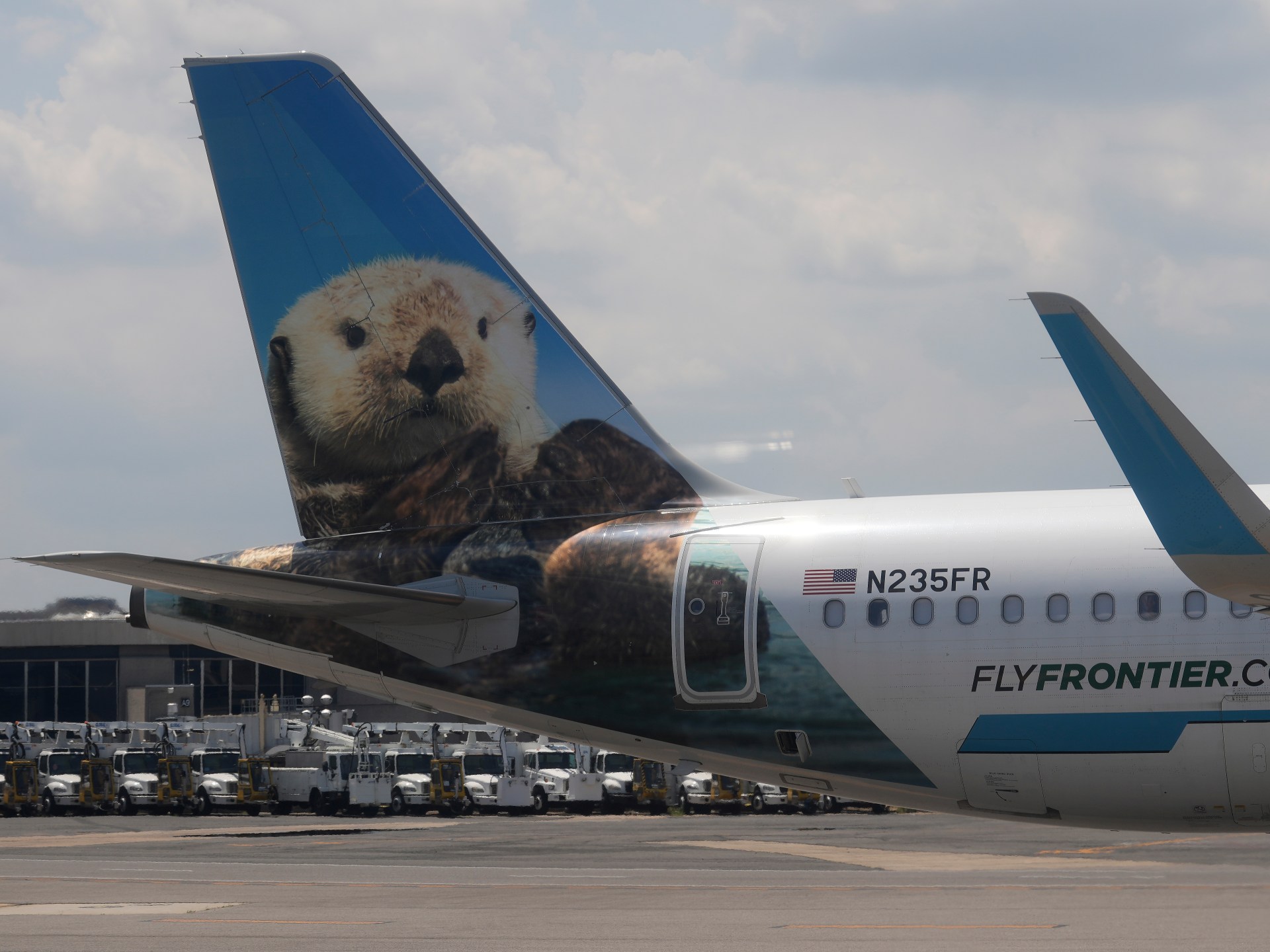
US air travel slipped over the July 4 holiday weekend, a sign that higher fares and fuel costs are weighing on what is usually one of the busiest parts of the year. The slowdown matters for airlines because summer travel can account for a large share of annual revenue, according to John Deal of the Post Oak Group.
More than 7.3 million people passed through US airport security checkpoints from July 3 to July 5, down 2.31 percent from the same three-day period last year, according to Transportation Security Administration data. Traffic on July 4 fell nearly 13 percent from a year earlier, while July 5 rose 4.67 percent, the TSA figures showed.
The pressure on travel has intensified as tensions involving the United States, Israel and Iran hit oil markets. US President Donald Trump said the ceasefire with Iran was over and that further attacks were imminent, while benchmark crude rose 4.84 percent on Wednesday.
A recent NPR, PBS News and Marist College poll found that about 45 percent of Americans were not planning a holiday during the summer travel season because of higher airfares and car fuel costs. The poll put that share 2 percent below the comparable period last year.
Air travel had been expected to receive a lift from the FIFA World Cup in the United States, Canada and Mexico. Market analytics firm Sojern forecast that much of the air traffic tied to matches would come from domestic US travelers.
Airfares have risen 8.2 percent since February, according to inflation data from the US Department of Labor. United Airlines said in April that it would need to raise prices by as much as 20 percent because of higher fuel costs, while American Airlines reduced some routes for August and September as fuel expenses climbed.
Spirit Airlines shut down operations in May after about three decades of flying. In bankruptcy court filings, the budget carrier cited geopolitical conflicts as one factor as fuel costs increased.
Deal, managing director of capital markets at investment bank Post Oak Group, told Al Jazeera that summer usually brings a clear rise in scheduled flights, but the war has made it harder for airlines to plan. He said as much as 40 percent of airline revenue can come from summer travel and that jet fuel pressures can hit the market harder than gasoline because capacity is tighter.
European carriers are also under strain. Lufthansa grounded 200,000 short-haul flights in April as it tried to cut fuel use by 40,000 tonnes, according to the airline. British Airways said in May that it would raise fares to offset higher fuel costs at parent company International Airlines Group, which also owns Iberia and Aer Lingus.
John Grant, chief analyst at travel data provider OAG, told Al Jazeera that airlines have passed higher fuel costs to passengers through higher average fares. Bank of America analysts said in a note last month that higher oil prices had lifted inflation and airfares, putting pressure on consumers worldwide.
Route restrictions have added to the problem for some carriers. The European Union Aviation Safety Agency extended warnings for airlines to avoid airspace over parts of Russia and the Middle East, while restrictions over Iran, Iraq and Lebanon have narrowed options for European airlines and forced some longer routes.
Some US travelers appear to be choosing cars instead. AAA forecast that 61.4 million people would travel by road for the July 4 weekend, up from 61.3 million last year, though the group had not yet released final data.
Gasoline remains expensive by recent US standards. AAA put the average US price at $3.79 a gallon, below a mid-May high of $4.48 but above the $2.98 recorded on February 28, the day the US and Israel first struck Iran.
This story draws on original reporting from Al Jazeera.