
U.S. hits Iran after ship is struck in Strait of Hormuz
U.S. Central Command said it launched new strikes after Iran hit a Cyprus-flagged container ship and again declared the Strait of Hormuz closed.
By Daniel Okafor · Business Editor
3 min read
U.S. forces launched another round of strikes on Iran after Tehran said its military had hit a civilian vessel in the Strait of Hormuz and closed the waterway again. The confrontation threatens an already fragile U.S.-Iran deal aimed at ending the war and keeping one of the world’s key energy routes open.
U.S. Central Command said Iranian forces struck a Cyprus-flagged container ship, causing major damage in its engine room. CENTCOM said one civilian crew member was missing after the attack.
Iran said the vessel had been using a route it did not authorize. The Revolutionary Guards Corps said several ships ignored instructions to change course and use an approved lane, and that one vessel was hit by what it described as a warning shot and stopped.
Iran said the Strait of Hormuz would stay closed until further notice. It also warned that it could target additional enemy bases in the region if it came under further attack.
U.S. says it is trying to protect shipping
U.S. Central Command said its latest operation was the third round of strikes against Iran this week. Iran’s state media reported explosions in Bandar Abbas and Sirik, both along the strait.
The U.S. military said the strikes were meant to reduce Iran’s ability to threaten civilian mariners and commercial ships using the waterway. Defense Secretary Pete Hegseth wrote on social media that Iran had made a poor choice and would pay for it.
Senior U.S. officials had said earlier in Washington that further talks on last month’s deal to end the war could not move ahead unless the strait was secure. The officials also said they wanted Iran to make public assurances about safe passage there.
The Strait of Hormuz has long been treated internationally as a waterway open to global shipping. Since the war began, Iran has argued that it should control the strait and charge vessels moving through it. The U.S. has urged mariners to use a southern route through Omani waters.
Diplomacy continues as threats grow
The latest attacks followed a meeting Saturday between Iranian Foreign Minister Abbas Araghchi and Oman’s foreign minister on the strait. Oman said the two governments agreed to continue discussions at both technical and political levels.
Araghchi said before the newest U.S. strikes that the talks covered ways to ensure ships could pass safely. He also accused Washington of violating the interim deal by ending waivers that allowed Iran to sell crude oil in U.S. dollars, a step the U.S. took after earlier attacks on vessels in the strait.
About one-fifth of traded oil and natural gas moved through the Strait of Hormuz before the war, according to the Associated Press. Iran’s wartime control of the route contributed to a global energy crisis, though oil prices have fallen from wartime highs of $120 a barrel.
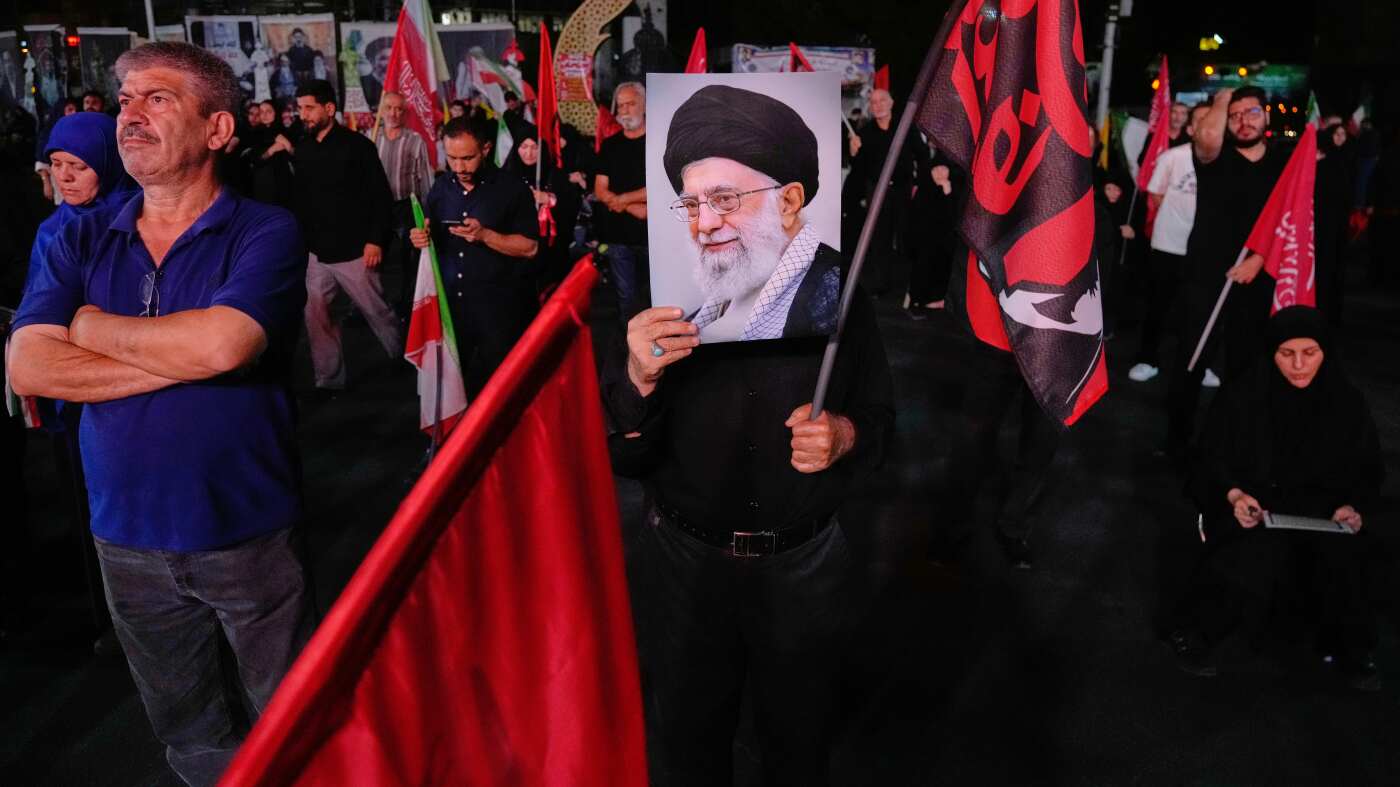
Iran’s new supreme leader, Mojtaba Khamenei, said in a statement carried on state television that Iranians would avenge the killing of his father, Ayatollah Ali Khamenei, in the opening strikes of the war on Feb. 28. President Donald Trump said Saturday that he had been threatened by Iran and warned of a large U.S. missile response if he were killed.
Trump has said the ceasefire is over while also saying the United States will keep negotiating. U.S. officials, speaking anonymously Friday about the situation, said earlier renewed strikes were a response to what they described as an Iranian hard-line faction trying to wreck the ceasefire; Iran says its government remains unified under the new supreme leader.
This story draws on original reporting from NPR.