
Analyst says US financial pressure is reshaping Iraq’s government
Al Jazeera’s Jasim Al-Azzawi argues that Prime Minister Ali al-Zaidi’s rise reflects Washington’s leverage over Iraq’s cash, oil and militias.
By Daniel Okafor · Business Editor
3 min read
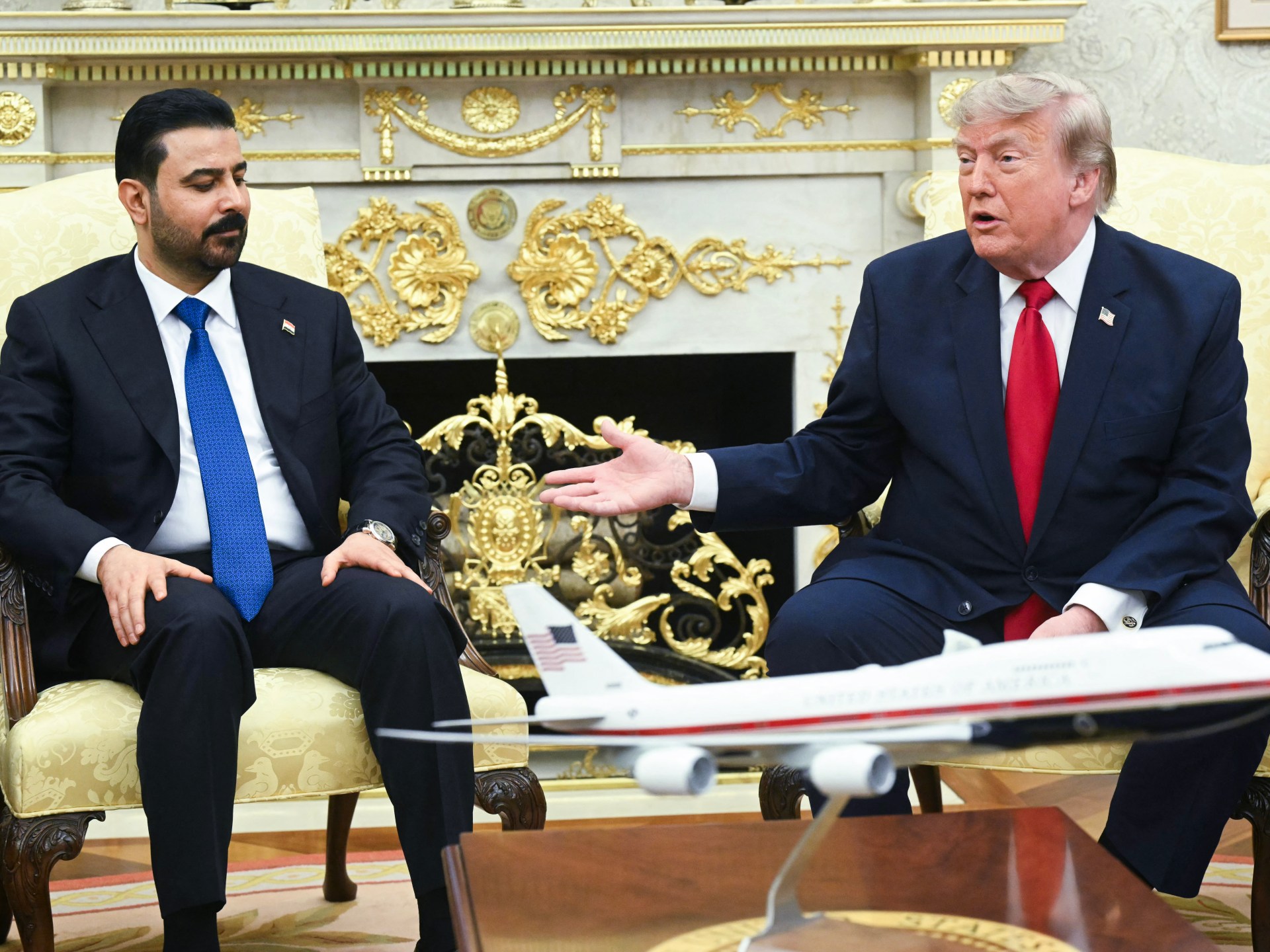
Iraqi Prime Minister Ali al-Zaidi met President Donald Trump at the White House on Tuesday in a visit that Al Jazeera analyst Jasim Al-Azzawi described as a sign of Washington’s growing sway over Baghdad. Al-Azzawi argued that al-Zaidi’s rise reflects US leverage over Iraq’s access to dollars, oil revenue and security ties.
Al-Zaidi was selected by the Shia Coordination Framework 11 weeks before the Oval Office meeting, after months of political deadlock, according to Al-Azzawi. He wrote that the bloc settled on the 40-year-old banker in 25 minutes after pressure from Washington helped push former Prime Minister Nouri al-Maliki, then a leading contender, out of the race.
Al-Azzawi said the US Treasury had restricted Iraq’s dollar access by blocking cash shipments from the United States to the Central Bank of Iraq. He argued that al-Zaidi’s lack of a political base made him useful to the forces that backed his appointment.
The analyst also pointed to al-Zaidi’s banking background as a possible pressure point. In 2024, Iraq’s Central Bank barred Al-Janoob Islamic Bank, al-Zaidi’s institution, from US-dollar transactions during a campaign aimed at limiting illicit dollar flows to Iran, Al-Azzawi wrote. He added that al-Zaidi was not charged and that neither he nor the bank is currently under sanctions.
Al-Azzawi identified Tom Barrack as a central US figure in Iraq policy, noting that Barrack holds roles as ambassador to Turkiye, envoy to Syria and envoy to Iraq. He wrote that Washington’s influence rests heavily on financial tools, including control points tied to Iraq’s oil revenue account at the Federal Reserve Bank of New York.
In April, Washington blocked a cash shipment of nearly $500 million from Iraqi oil revenues and suspended parts of security cooperation, according to Al-Azzawi. He said oil funds about 90 percent of Iraq’s budget, giving US officials direct leverage over the state’s finances.
Militia control remains a major unresolved demand from Washington, Al-Azzawi wrote. He said Shia cleric Muqtada al-Sadr dissolved Saraya al-Salam in late May, while Asa’ib Ahl al-Haq and Kataib Imam Ali have announced steps toward handing over weapons or accepting fuller state control.
Other factions have resisted, according to Al-Azzawi. He wrote that Kataib Hezbollah and Harakat al-Nujaba, which he described as closely tied to Tehran, have rejected full disarmament and said their weapons are not up for negotiation. Baghdad has set a September 30 disarmament deadline, the same date on which remaining US forces are expected to leave Iraq, he said.
Energy is another focus of the US push, according to Al-Azzawi. He wrote that Chevron is seeking an expanded role in Iraq’s oil industry, while other US firms are pursuing gas, electricity and export infrastructure contracts. Baghdad wants to raise production from 4.5 million barrels a day to 7 million within three years, a goal Al-Azzawi said would require a larger OPEC quota.
Al-Azzawi also said Kurdistan’s role remains unsettled. He wrote that Barrack has criticized the Baghdad-Erbil federal model as “Balkanization” while also pressing Kurdish Prime Minister Masrour Barzani to revive the regional parliament and form a new cabinet.
The analyst concluded that Iraq’s banking system, oil sector and armed factions are being recast under heavy US pressure. He said al-Zaidi now faces expectations to deliver results by September 30, even as questions remain over how much authority he can exercise at home.
This story draws on original reporting from Al Jazeera.