
UNESCO adds West Bank, Lebanon sites to endangered heritage list
UNESCO listed Sebastia and five southern Lebanon castles as endangered World Heritage sites after a vote opposed by Israel.
By Daniel Okafor · Business Editor
3 min read
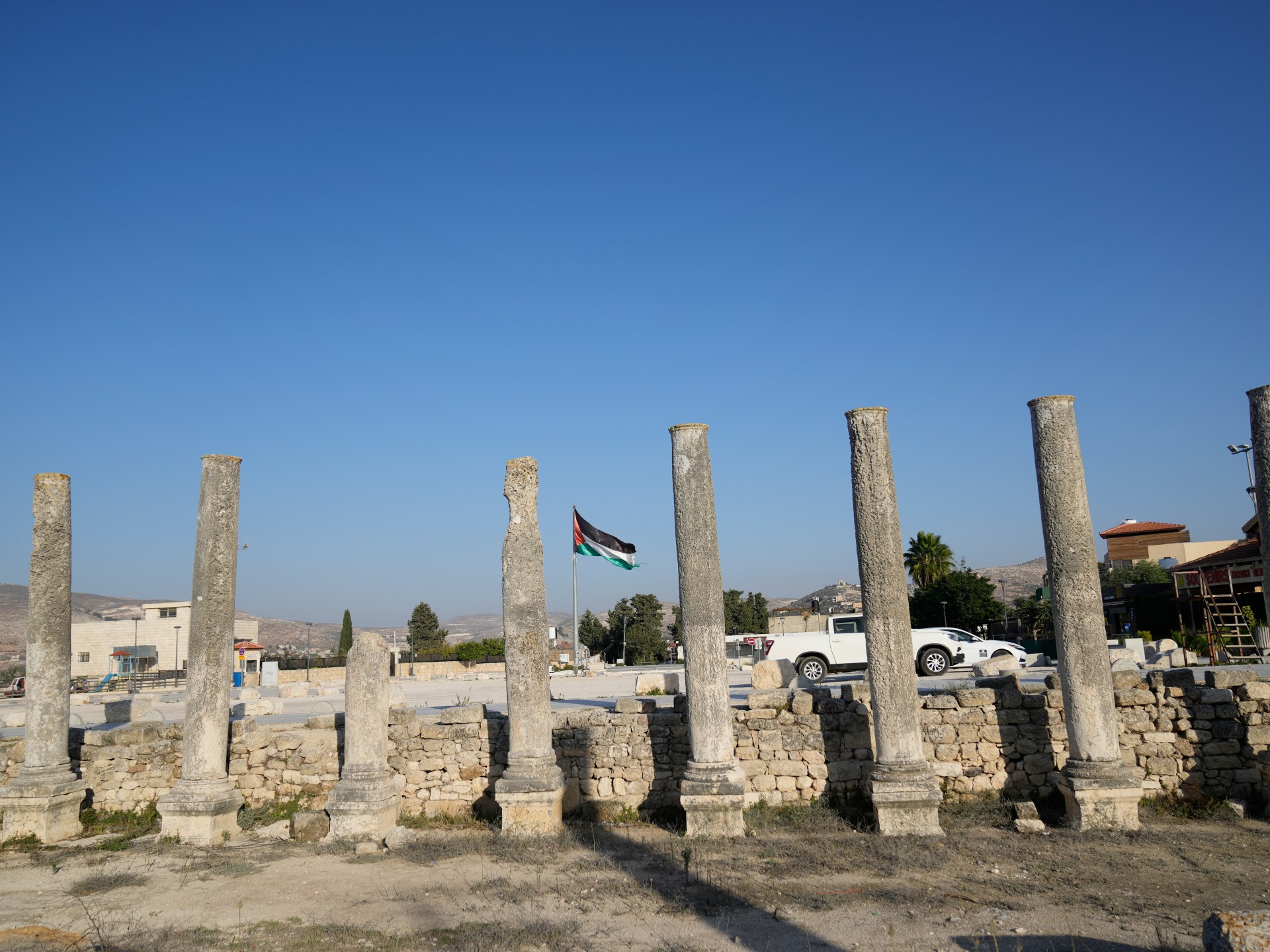
UNESCO added six West Bank and Lebanon locations to its endangered heritage list on Friday, giving them World Heritage status while flagging immediate risks from conflict. The decision matters because it puts international attention on disputed cultural sites in areas affected by Israeli military action and political contestation.
The vote took place at a meeting of the UN cultural agency’s World Heritage Committee in Busan, South Korea. According to AFP and The Associated Press, member states used an emergency procedure to place the sites on both the World Heritage List and the List of World Heritage in Danger at the same time.
Israel opposed the listings. AFP and AP reported that Israel’s foreign ministry urged member states to reject the move before the committee vote.
Why did UNESCO list the West Bank and Lebanon sites?
UNESCO’s endangered list is used for World Heritage sites facing serious threats, including war, neglect or development pressure. In this case, the committee cited the impact of continuing conflicts in the region, according to AFP and AP.
The West Bank location is Sebastia, a hilltop archaeological site near Nablus. Historians identify it as ancient Samaria, the capital of the biblical Kingdom of Israel.
Sebastia contains remains from several periods, including the Iron Age, Roman, Byzantine and Islamic eras. Christian and Islamic traditions also associate the site with the burial place of John the Baptist.
Palestinian officials have pursued World Heritage status for Sebastia since 2012. They said the site needed protection as Israeli authorities advanced plans to take about 200 hectares, or 500 acres, of surrounding land for a national park.
According to Palestinian officials, the park plan would bring fencing, entrance charges and a road reserved for Israelis. They argued that such changes would cut around the Palestinian tourism businesses linked to the ruins.
Which Lebanon castles were included?
The Lebanon listings cover five fortresses in the Mount Amel region of the country’s south. They include Beaufort Castle, a medieval fortress that Israeli forces captured in May during the war with Hezbollah, according to AFP and AP.
Lebanon’s culture ministry said Israeli bombardment had already destroyed Shamaa Castle, one of the five sites, and had put Beaufort Castle at risk. Israel disputes that account and says Hezbollah used Beaufort as a military site with tunnels underneath it.
A Lebanese delegate denied Israel’s allegation, saying the castles had been used only for tourism since Israeli forces pulled out of southern Lebanon in 2000.
The vote also reflected a broader dispute between Israel and UNESCO. Israel left the agency in 2019 after accusing it of bias, though it now attends as an observer.
Israel’s foreign minister said the West Bank listing was an attempt to erase “the Jewish connection to this land.” A Palestinian delegate said residents of Sebastia had protected the site “despite occupation, restrictions” and efforts to cut their ties to it.
Earlier in the week, UNESCO also placed the ancient Lebanese city of Tyre on the endangered list. Al Jazeera reported that its investigation of satellite images from January to June found a pattern of land-clearing and demolition in the city.
This story draws on original reporting from Al Jazeera.