
UN rights chief seeks inquiry into Kashmir unrest deaths
Volker Turk urged Pakistan to investigate deaths in protests that have killed at least 31 people ahead of regional elections.
By Daniel Okafor · Business Editor
3 min read
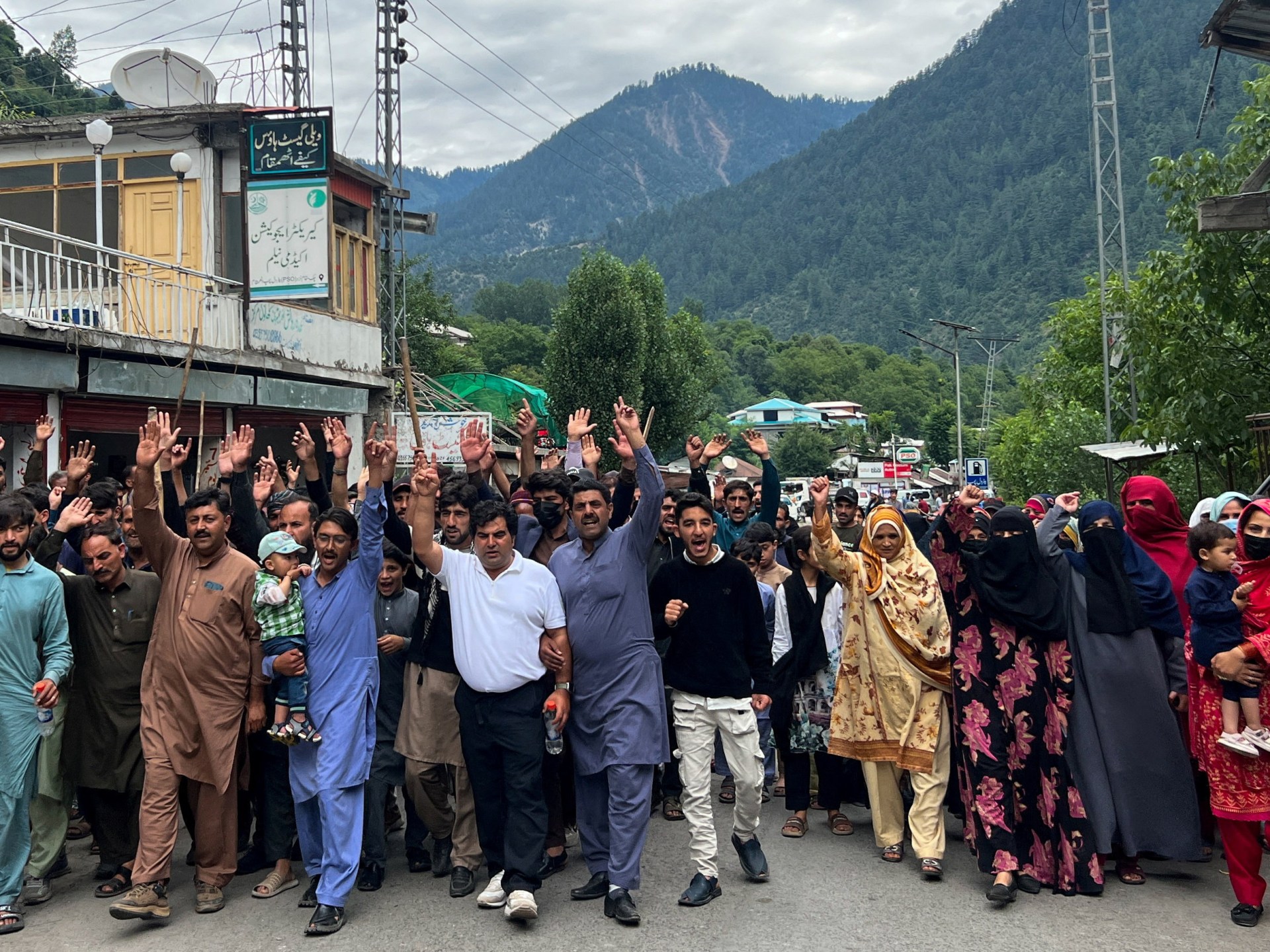
UN human rights chief Volker Turk has urged Pakistan to order independent investigations into deaths during unrest in Pakistan-administered Kashmir. At least 31 people have been killed in clashes since last month, AP and Reuters reported, raising tensions before regional elections due at the end of July.
Turk on Friday called on Islamabad to ensure “prompt, thorough and impartial investigations” into the deaths of civilians and members of the security forces, according to AP and Reuters. He also appealed for calm and urged political dialogue rather than a security-led response.
The unrest has centred on the Jammu Kashmir Joint Awami Action Committee, or JAAC, an alliance of traders and activists, according to AP and Reuters. The movement first emerged around anger over food prices and utility tariffs, but the latest confrontation is tied to a legal dispute over legislative seats reserved for Kashmiri refugees.
JAAC wants those reserved seats abolished, saying they give people who do not live in the region the ability to influence local political outcomes, AP and Reuters reported. The dispute has unfolded in a territory claimed in full by both Pakistan and India since the two countries gained independence in 1947.
UN raises alarm over anti-terror label
UN officials voiced concern over Pakistan’s move to classify JAAC as a proscribed “terrorist” organisation under domestic anti-terrorism laws, according to AP and Reuters. The UN warned that using anti-terror powers to criminalise peaceful assembly and impose broad internet shutdowns raises serious concerns over freedom of association.
Turk urged “meaningful and inclusive political dialogue” to address grievances over regional autonomy and inflation, AP and Reuters reported. His comments placed the focus on accountability for the killings as well as on the political issues driving the protests.
The violence reached a new peak on July 14 in Poonch division, according to the Pakistani newspaper Dawn. Dawn reported that security forces tried to remove roadblocks before a planned JAAC “long march” to Muzaffarabad, and that nine people were killed: seven civil activists and two law enforcement officers.
Poonch Divisional Commissioner Waheed Khan defended the actions of the authorities in comments to Reuters. Khan said protesters had blocked a security convoy and attacked officials, adding that “police and security officials responded in self-defence.”
India and Pakistan trade blame
The unrest has added to the long-running dispute between India and Pakistan over Kashmir, AP and Reuters reported. Both nuclear-armed neighbours claim the Himalayan region in full, though each controls part of it.
In New Delhi, Ministry of External Affairs spokesperson Randhir Jaiswal said in an official statement on Wednesday that the unrest was a “direct consequence of Pakistan’s decades-long systemic exploitation” of the region, according to AP and Reuters.
Turk’s intervention calls for Pakistan to investigate the deaths across both civilian and security-force ranks while addressing the grievances behind the unrest. AP and Reuters reported that the UN rights office has framed the crisis as one requiring accountability, restraint and inclusive talks.
This story draws on original reporting from Al Jazeera.