
Ukraine strikes Russian logistics hubs in Crimea and near Moscow
Kyiv says it hit fuel, power and satellite communications targets as it widens a campaign against Russia’s military supply network.
By James Whitfield · Staff Writer
3 min read
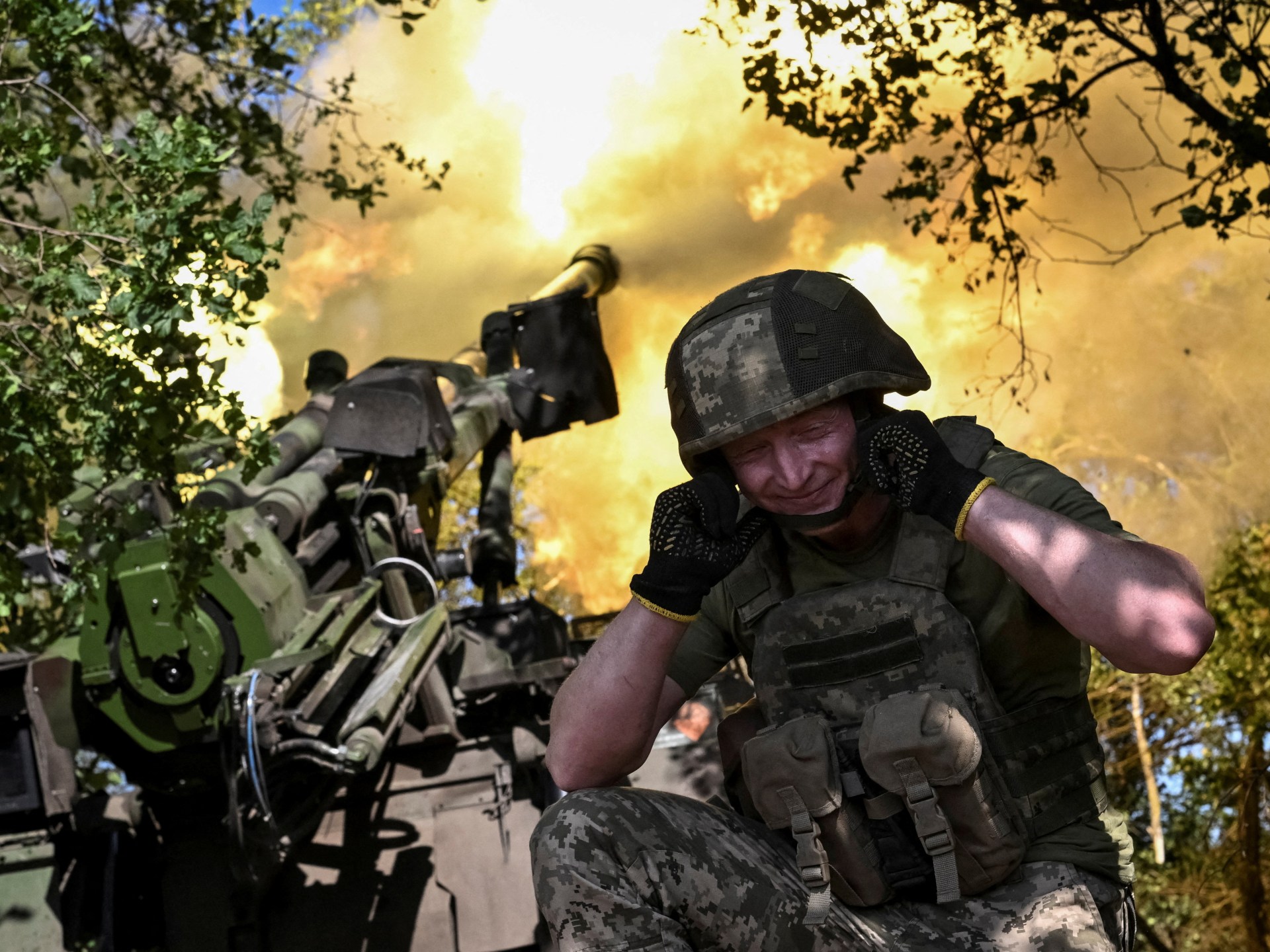
Ukraine has intensified attacks on Russian logistics and communications targets, including sites in occupied Crimea and military satellite facilities near Moscow. The strikes matter because Kyiv says they are aimed at slowing Russia’s ability to supply and coordinate forces at the front.
Ukrainian President Volodymyr Zelenskyy said Tuesday that Russia had shifted air defence systems from other regions to protect Moscow and the Kerch Bridge, which links Russia to occupied Crimea. Zelenskyy said Russia had moved hundreds of S-400, S-500 and Pantsir launchers to the Moscow region, with another 90 sent to Valdai, a resort area north of Moscow associated with President Vladimir Putin and other senior figures.
Ukraine’s General Staff said Kyiv targeted two Russian military satellite communications centres on June 22. It said the Vladimir Space Communications Centre, east of Moscow, sustained severe damage to its main 25-metre parabolic antenna, while the Dubna Space Communications Centre, north of Moscow, had its 32-metre antenna damaged.
The General Staff said buildings containing electronic equipment were also hit at both sites. It said Russia uses satellite feeds from the centres to monitor Ukrainian movements and coordinate Russian forces.
In Crimea, Al Jazeera reported that Ukrainian long-range drones struck oil facilities on both sides of the Kerch Strait on Sunday. The targets were the oil terminal in Kerch and the port of Kavkaz in Russia, facilities used to move fuel toward Russian front lines, according to the report.
Al Jazeera reported that geolocated footage showed oil storage sites burning in Kerch and supply ferries on fire in Kavkaz. Ukraine also disabled four S-400 missile complexes and two Pantsir systems before hitting Kerch, according to the report.
Ukraine also struck electricity plants in Crimea, causing outages in Sevastopol, Yevpatoria and other areas on Sunday and Wednesday, Al Jazeera reported. Sergey Aksyonov, the Russian-appointed governor of Crimea, suspended fuel sales except for state services after the attacks.
In Sevastopol, where Al Jazeera reported fuel for private residents had already been limited to 20 litres a week, local authorities cancelled ferry services, banned outdoor gatherings and turned off street lighting.
Kyiv began striking Crimea in the summer of 2023 after Russia used the peninsula as a base for missile and drone attacks on Ukraine, according to Al Jazeera. Ukraine has since pushed Russian naval and air assets back and has described Crimea as a costly place for Russian air defences.
Russian independent outlet Meduza said it mapped 270 attacks this year on Russian trucks and logistics centres. Meduza reported that the median depth of Ukrainian attacks had expanded from a few kilometres to several tens of kilometres in the past two months.
French open-source analyst Clement Molin counted 500 separate attacks between May 1 and June 18 using videos posted online, Al Jazeera reported. Meduza said Ukraine first focused on highways in occupied Zaporizhia and Kherson before shifting more attention to Donetsk and Crimea.
Russia has denied battlefield strain. Putin told reporters this week that Russian troops were advancing on all fronts and were nearing Kostiantynivka in Donetsk, while Ukraine said Russian troops had infiltrated the city but denied it was close to falling.
Ukraine has also extended strikes deeper into Russia. Zelenskyy said Ukraine hit the Tyumen refinery in Western Siberia on June 21 with new drones made by Fire Point, and said those systems would be able to reach more than 3,000km.
This story draws on original reporting from Al Jazeera.