
Ukraine military shakeup removes defence minister and army chief
Ukraine changed its defence leadership as officials reported heavy Russian losses and gains from drone warfare.
By Daniel Okafor · Business Editor
3 min read
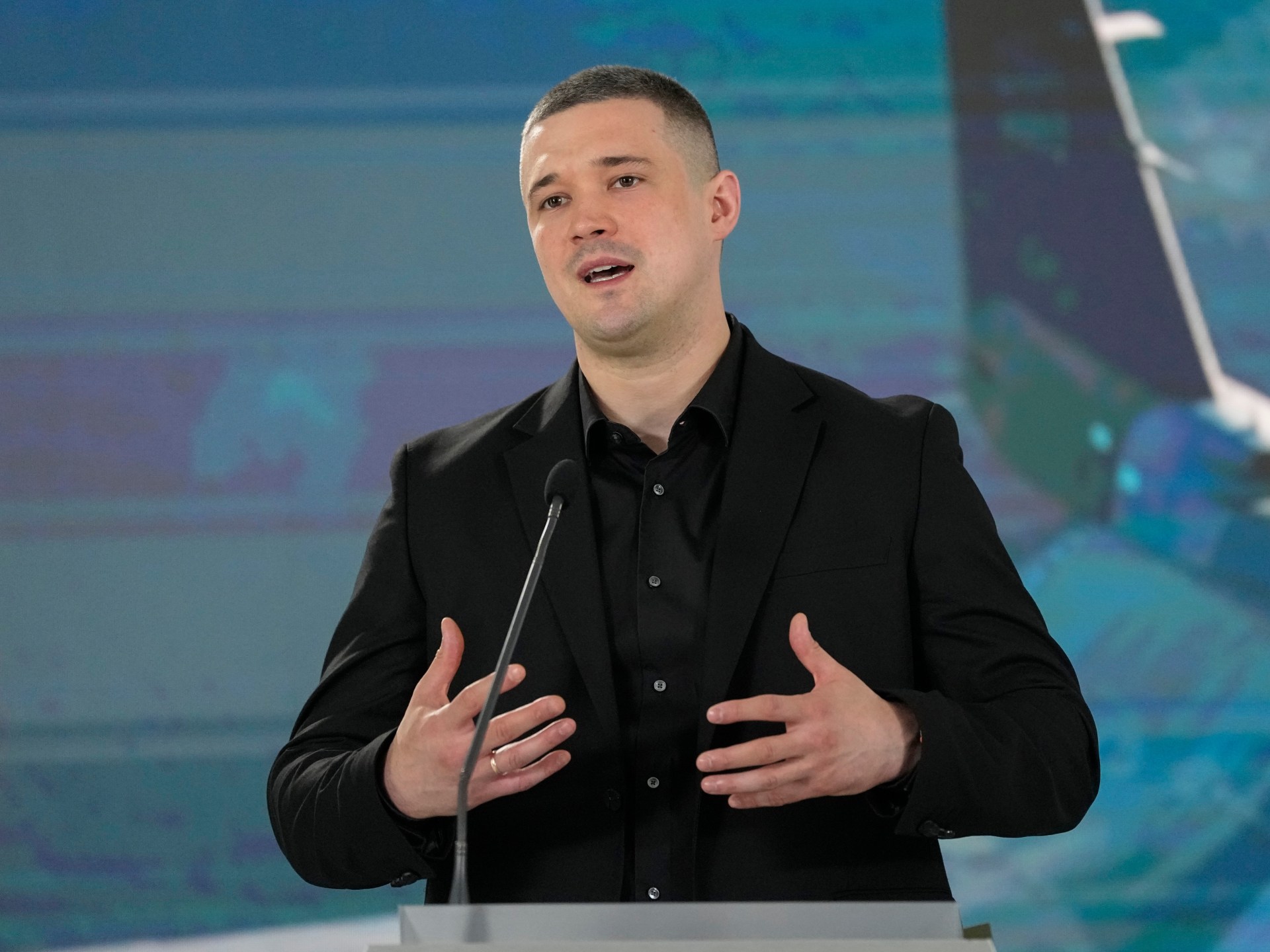
Ukraine’s military shakeup has removed both Defence Minister Mykhailo Fedorov and Commander-in-chief Oleksandr Syrskii in the same week, even as Ukrainian officials and analysts reported strong battlefield results against Russia. Fedorov was ousted on July 15, and Syrskii was replaced six days later, with several senior aides also leaving their posts.
The changes came during what Al Jazeera described as an unusually effective period for Ukraine’s armed forces. Ukraine’s defence ministry said about 193,500 Russian troops had been killed or seriously wounded this year, while Syrskii said Russia had averaged 32,000 losses a month for the first time in the war.
The Institute for the Study of War, a Washington-based think tank that tracks territory using geolocated open-source evidence, said Russia had made a net gain of 81.1 square kilometres this year. The ISW said Russia gained only 30 square kilometres in June and had been losing a net 1.6 square kilometres a day so far in July.
Why did Ukraine change its military leadership?
The leadership changes appeared to follow a dispute over defence strategy, especially the role of unmanned systems. Syrskii wrote on the Militarnyi news website that a defence minister should not act as a war strategist, saying operational planning was his responsibility under the supreme commander-in-chief.
Fedorov had pressed for a rapid expansion of drone procurement, buying more drones in four months than the defence ministry bought during all of 2025, according to Al Jazeera. Syrskii, who created Ukraine’s Unmanned Forces Command, argued that the army could not be shifted to drones in two months while Russia still relied heavily on artillery, aviation and infantry.
President Volodymyr Zelenskyy told the Financial Times that “the sky will be decisive in this war.” On July 20, he said he was continuing to decide what changes should be made to Ukraine’s defence strategy and what production and supply priorities should be carried out quickly.
What is Ukraine’s drone strategy?
Ukraine has used short-range drones to strike Russian forces while reducing exposure for its own troops. First Person View drones are estimated to have caused 95 percent of enemy casualties, according to Al Jazeera’s account of the war’s drone use.
Ukraine has also used longer-range drones to hit logistics, fuel supplies and infrastructure behind Russian lines. Robert Brovdi, commander of Ukraine’s Unmanned Systems Forces, said Ukrainian forces had disabled 196 fuel tankers since June 6 and destroyed three quarters of Russia’s ferry capacity across the Kerch Strait.
Brovdi said Russia had to redeploy 200 units of its Rubicon unmanned command to defend ships, weakening its front line. He also said Ukrainian unmanned forces had struck 117 electrical substations and power stations this month, most of them in Crimea.
Ukraine’s long-range strikes this week destroyed a Tupolev-95 strategic bomber at Engels airfield, about 800km from Ukraine, and a MiG-29 fighter at Khalino airfield in Kursk, according to Al Jazeera. Ukraine also struck the Slavneft-Yanos refinery in Yaroslavl and four warehouses belonging to the Wildberries online retail group, which Kyiv suspects Russian recruits use to buy protective equipment and weapons.
Russia has responded by targeting Ukraine’s Black Sea port infrastructure. Maersk said on July 22 it was diverting container traffic from Odesa and Chornomorsk to Romania’s Constanta, affecting both inbound and outbound Ukrainian cargo.
Russia has also increased ballistic missile use in nightly attacks on Ukrainian cities. Ukraine says it intercepts 95 percent of drones and 87 percent of cruise missiles, but fewer than half of Russian ballistic missiles.
This story draws on original reporting from Al Jazeera.