
Trump says US will police Hormuz and seek 20% cargo payment
The president said the US would restart a naval blockade of Iran as renewed strikes threaten a June ceasefire framework.
By Lucas Ferreira · Science & Environment Writer
3 min read
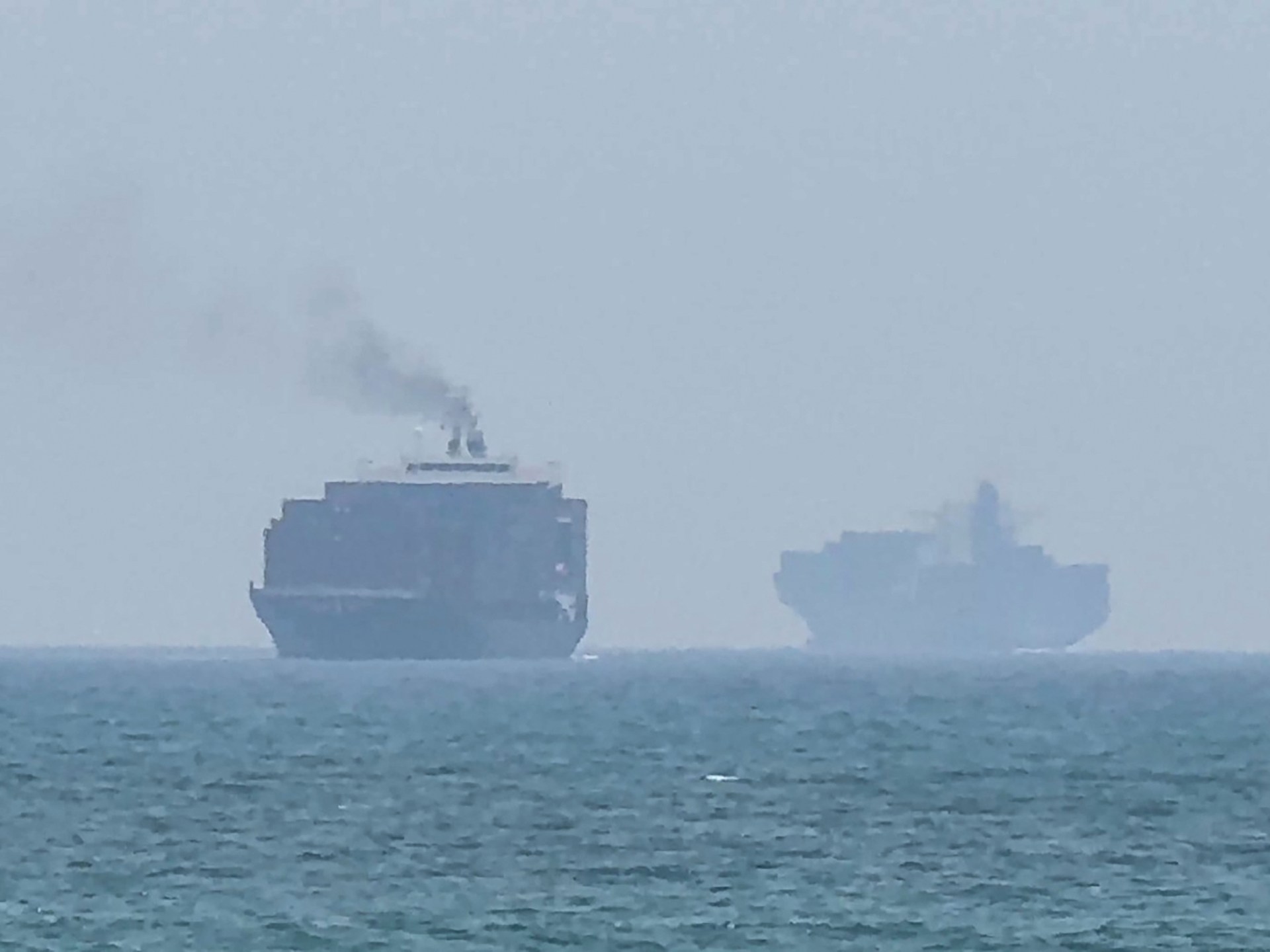
US President Donald Trump said the United States will restart a naval blockade aimed at Iran and take on a policing role in the Strait of Hormuz, a move that could further strain ceasefire efforts with Tehran. The announcement matters because the waterway is a key route for global oil and gas exports, and both sides have just resumed attacks.
Trump set out the plan Monday in a Fox News interview and on Truth Social, according to Al Jazeera. He said the blockade would target Iranian ships and Iran’s customers, and that the United States would become what he called the “guardian” of the Strait of Hormuz.
Trump also said the US would seek reimbursement equal to 20 percent of all cargo shipped through the strait for the costs of providing security, Al Jazeera reported. He said the process would begin immediately.
The announcement followed another exchange of attacks between Washington and Tehran, according to Al Jazeera. Iran said it had struck US military sites in Bahrain, Kuwait, Oman and Jordan, while US forces have focused attacks on Iranian port cities along the coast.
Ceasefire framework under pressure
The confrontation threatens an agreement reached in June, when the US and Iran signed an initial memorandum of understanding meant to stop the fighting, lift the US naval blockade and reopen the Strait of Hormuz to shipping, Al Jazeera reported.
The memorandum left several disputes for later talks, including Iran’s nuclear programme, access to frozen assets and future administration of the strait, according to Al Jazeera. Those issues were to be discussed over a 60-day period after the signing.
Trump had previously warned that the US could seek influence over the strait and charge tolls if ceasefire talks failed, Al Jazeera reported. The strait normally carries about 20 percent of the world’s oil and gas exports, according to the same report.
Iran has rejected any US role in managing the waterway. A spokesperson for the Khatam al-Anbiya Central Headquarters, Iran’s joint military command, said Monday that Iran would not permit US interference in the Strait of Hormuz, according to Al Jazeera.
The command also warned that Iran’s armed forces would respond to any disruption of commercial vessels and oil tankers outside Iran’s designated shipping route and without Iranian authorisation, Al Jazeera reported. It said regional leaders who cooperate with or provide logistical support to the US military would be viewed as acting against Iran’s sovereignty and national security.
Traffic through the strait falls
Despite the renewed fighting, both sides have signalled that they do not want to return to a full war, Al Jazeera reported. The US and Israel began the current war against Iran on February 28, but fighting had largely paused after a preliminary agreement in April.
Al Jazeera reported that the latest clash stems largely from competing interpretations of the June memorandum. Some Iranian officials say the deal allows Tehran to control passage through the strait while pledging safe transit, while the Trump administration says the agreement should allow all traffic through during the 60-day negotiation period.
Iranian forces have repeatedly targeted vessels using the southern side of the strait near Oman’s coast, according to Al Jazeera. US officials have described those attacks as violations of the memorandum.
Dimitris Maniatis, a maritime security analyst, told Al Jazeera that commercial traffic through the strait has fallen sharply since the latest attacks. He said that decline followed a surge in traffic after the June memorandum was signed.
This story draws on original reporting from Al Jazeera.