
Trump's Syria proposal for Lebanon draws warnings from analysts
Trump said Syria could act against Hezbollah in Lebanon, but Rubio and regional analysts warned Damascus should focus on its own security.
By Daniel Okafor · Business Editor
3 min read
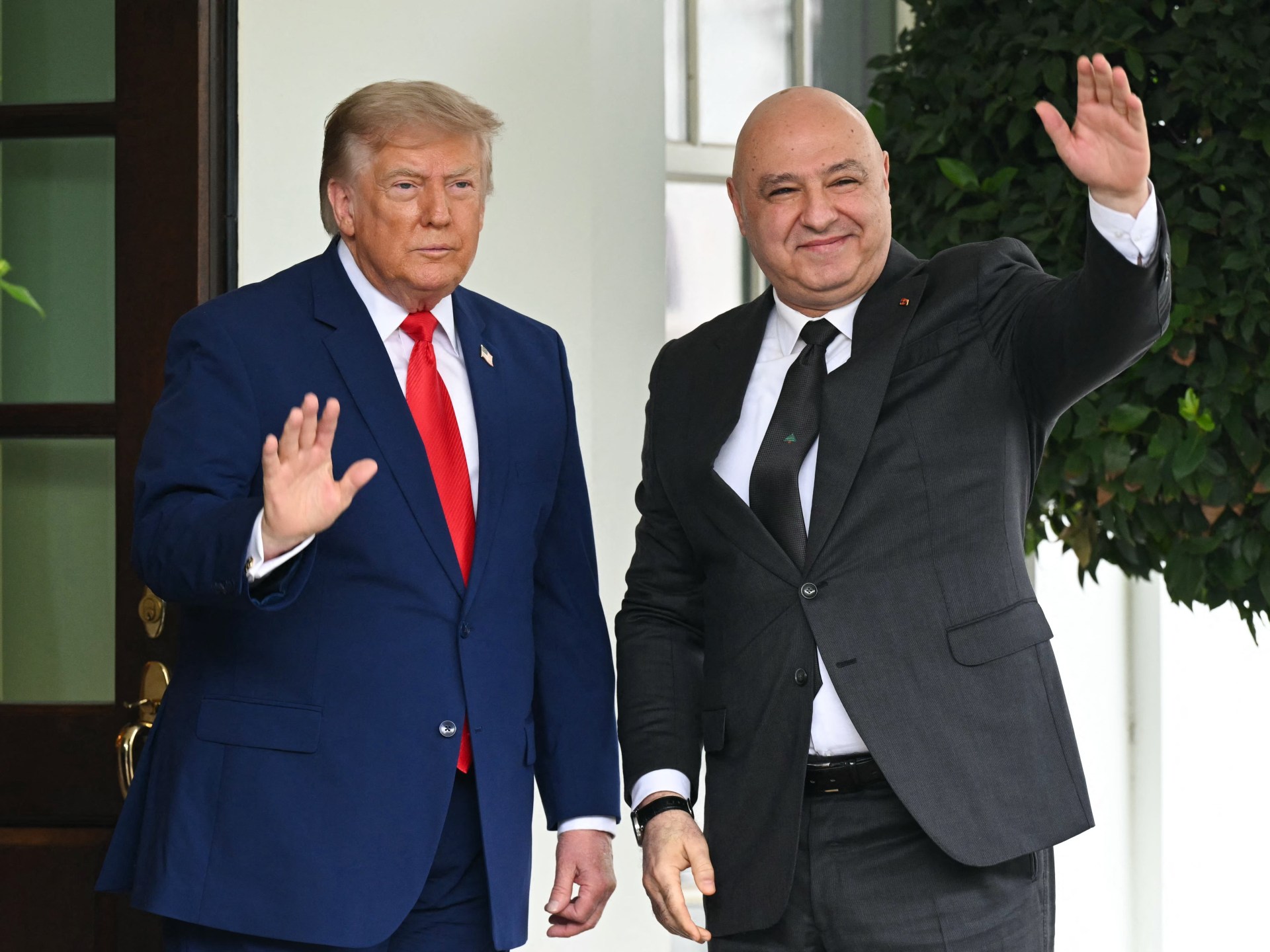
US President Donald Trump has again suggested that Syria could intervene in Lebanon against Hezbollah, a proposal analysts warned could inflame both countries and damage Syria’s fragile transition. Speaking beside Lebanese President Joseph Aoun at the White House on Tuesday, Trump said Syrian President Ahmed al-Sharaa might be willing to act against the Iran-backed group, Al Jazeera reported.
Trump said al-Sharaa “would like to come in” and argued that Syria had been fighting Hezbollah for years, according to Al Jazeera. The remarks came as Lebanon faces US and Israeli pressure to disarm Hezbollah and as a US-brokered framework with Israel begins to move into implementation.
US Secretary of State Marco Rubio appeared to soften the idea on Wednesday. Rubio told reporters that Washington has urged Syria’s new authorities to concentrate on internal problems and building a functioning state, while acknowledging that Damascus is hostile to Hezbollah.
Analysts warn of backlash
Bassel Doueik, a political and security researcher, told Al Jazeera that a Syrian military move into Lebanon to help disarm Hezbollah would work against Damascus’s interests. He said such an action could harm relations with the Lebanese state and give Hezbollah a way to present itself as defending Lebanese sovereignty against foreign force.
Nanar Hawach, the International Crisis Group’s senior analyst on Syria, told Al Jazeera that a return of Syrian troops would revive painful memories in Lebanon. Syrian forces entered Lebanon in 1976 during the Lebanese Civil War and remained in much of the country until 2005, when protests helped force their withdrawal, Al Jazeera reported.
Hawach said opposition could come even from Lebanese communities that reject Hezbollah, because Syrian military control remains a sensitive issue. He also warned that such a move could undercut Syria’s claim that it has moved away from past interference in neighboring states.
Al Jazeera reported that Hezbollah had been a key ally of former Syrian President Bashar al-Assad, whose government was removed in 2024 by fighters led by al-Sharaa. Hezbollah’s role in supporting al-Assad after Syria’s 2011 uprising left lasting anger among many Syrians, according to the report.
Border measures seen as more likely
Samy Akil, a Syrian security analyst, told Al Jazeera that many in the US intelligence and defense community understand the risks of sending Syrian forces into Lebanon. He said Syrian troops were unlikely to enter Lebanon and that any such step would probably require a broader regional agreement.
Trump’s comments followed the Lebanese army’s deployment on Tuesday in “pilot zones” under a US-brokered framework signed by Lebanon and Israel last month, Al Jazeera reported. The arrangement includes a gradual Israeli withdrawal and Lebanese army deployments intended to stop Hezbollah from returning to positions in southern Lebanon.
Israel and Hezbollah have fought since October 2023 at varying intensity, with Israel escalating the conflict in September 2024 and again in early March after the start of the US-Israel war on Iran, according to Al Jazeera.
Souhaib Jawhar, a non-resident fellow at the Beirut-based Badil Policy Institute, told Al Jazeera that Syria is more likely to act from its own side of the border. He cited stronger Syrian army deployments, tighter control of illegal crossings, action against smuggling tunnels and greater intelligence sharing with Lebanon’s army as more realistic steps.
Rubio made a similar point, telling reporters that Syria could help its own security by controlling the Lebanon border and preventing weapons from moving across it. He said Hezbollah has sought to undermine Syria’s new government over time.
This story draws on original reporting from Al Jazeera.