
Trump faces pressure to send Iran ceasefire memo to Congress
Lawmakers and pro-Israel groups say a 2015 Iran nuclear review law may cover Trump’s new memorandum with Tehran.
By Sofia Marchetti · World Affairs Correspondent
4 min read
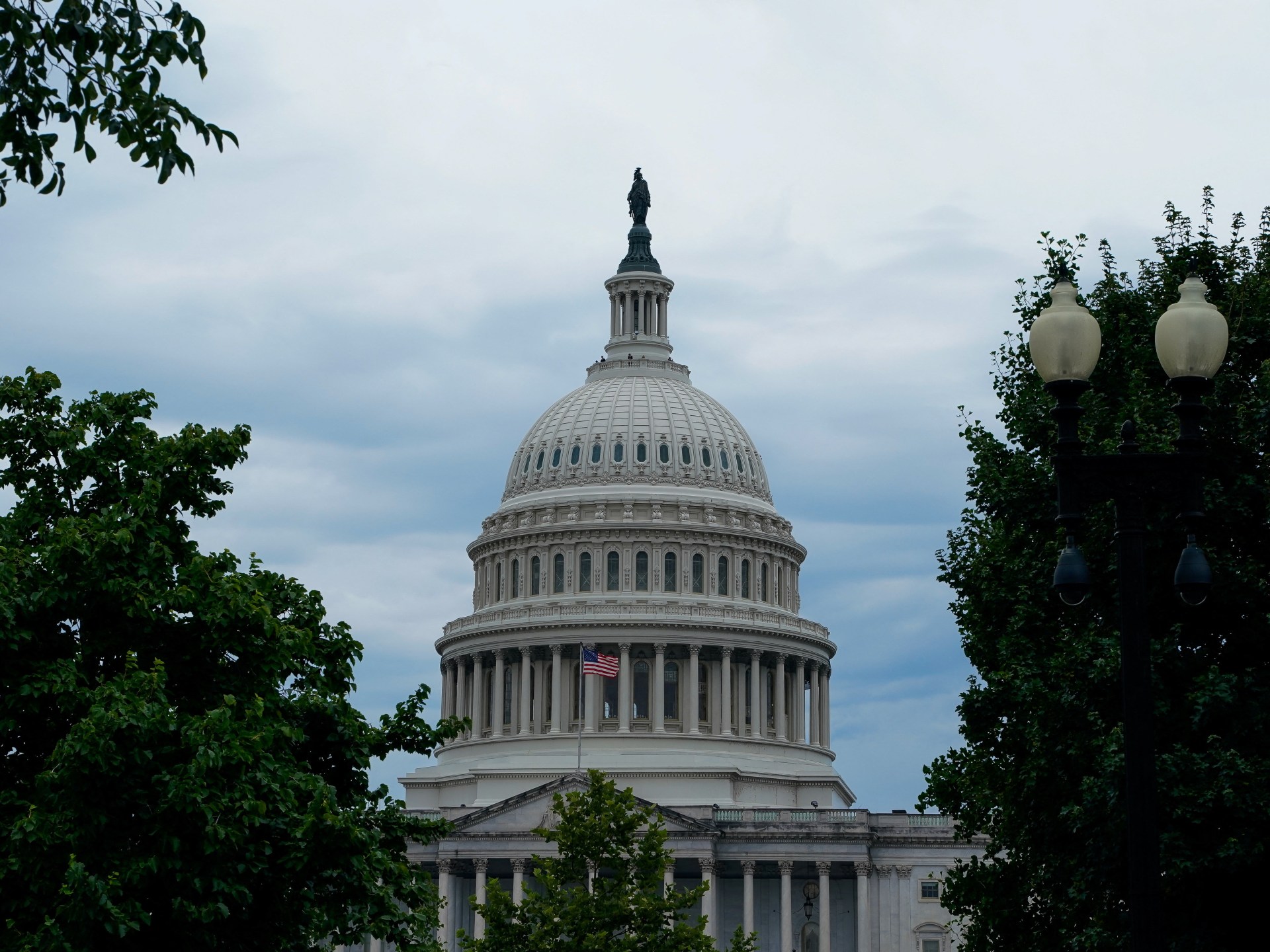
President Donald Trump is under pressure to let Congress review a memorandum of understanding with Iran that is meant to end the US-Israeli war with Tehran. The dispute matters because the memo includes sanctions relief and nuclear-related commitments that critics and legal experts say may trigger a 2015 review law.
Al Jazeera reported that lawmakers and pro-Israel groups have pointed to the Iran Nuclear Agreement Review Act, known as INARA, in calling for congressional review. The law requires the president to submit certain Iran nuclear agreements to Congress and allows lawmakers to vote on whether to reject them.
Republican Senator Lindsey Graham invoked the law after the memorandum was announced. “Under our law, any nuclear deal with Iran will be sent to Congress for review and a vote. I look forward to reviewing the final product,” Graham wrote Sunday on social media, according to Al Jazeera.
What the review law requires
INARA was enacted in 2015 as the Obama administration negotiated the Joint Comprehensive Plan of Action with Iran. Al Jazeera reported that the statute covers any US-Iran agreement connected to Iran’s nuclear programme, regardless of the agreement’s form or whether it is legally binding.
The law gives a president five days to send Congress the agreement text and related materials. That starts a 30-day review period in which lawmakers may pass a joint resolution of disapproval.
A disapproval vote could still face a presidential veto. Overriding that veto would require two-thirds support in both the House and Senate, a threshold Al Jazeera described as difficult to reach.
During the review period, INARA also bars the president from waiving, reducing or limiting statutory sanctions on Iran, or from declining to apply them under the agreement. That provision could affect Trump’s memorandum because it includes sanctions relief.
Why experts say the memo may qualify
Al Jazeera reported that Trump has said he is open to sending the memorandum to Congress, telling reporters: “I like the idea. I mean, who wouldn’t approve it?” His administration has not submitted it, and officials have not stated whether they believe INARA applies.
The memorandum reopens the Strait of Hormuz, ends the US blockade of Iranian ports and stops fighting on all fronts, including in Lebanon, according to Al Jazeera. It also lifts US sanctions on Iran’s fossil fuel industry immediately and starts talks on Iran’s nuclear programme and other matters.
Under the memo, both sides agree to keep their nuclear “status quo” during negotiations. Iran also agrees to dilute its highly enriched uranium “on site,” with further details left for talks, Al Jazeera reported.
Tess Bridgeman, a former Obama White House legal adviser, wrote that INARA applies to the new memorandum and any later final agreement. Writing in Just Security, she also argued that Congress should repeal INARA because she believes it could hinder diplomacy.
Jack Goldsmith, a Harvard Law School professor and fellow at the American Enterprise Institute, also said the memorandum should be reviewed under INARA. On the Executive Functions website, Goldsmith wrote that Trump’s pledge to lift oil sanctions immediately appears to conflict with the law, adding: “I don’t think the president has the authority under domestic law to issue these waivers.”
Congressional powers dispute widens
Al Jazeera reported that Goldsmith expects neither Congress nor courts to force compliance. He said the administration could argue that the memorandum sets terms for a future deal rather than constituting an agreement, though he considers that argument weak.
The debate follows months of conflict over war powers. Trump has argued that Iran posed an “imminent threat” and that he could order strikes without congressional approval, according to Al Jazeera. His administration has also rejected the requirement to obtain approval within 60 days of starting military action.
Several pro-Israel groups, including the Jewish Institute for National Security of America and AIPAC, have called for Congress to review the deal. Democratic Senator Chris Van Hollen accused Republicans of ignoring Congress’s role at the start of the war while demanding a say in ending it, writing Friday: “A whole lot of warmongering going on.”
This story draws on original reporting from Al Jazeera.