
Trump Iran escalation threat comes as U.S. and Tehran trade strikes
Trump said he was close to deciding on a larger attack as U.S. strikes in Iran and Iranian retaliation widened regional tensions.
By Daniel Okafor · Business Editor
3 min read
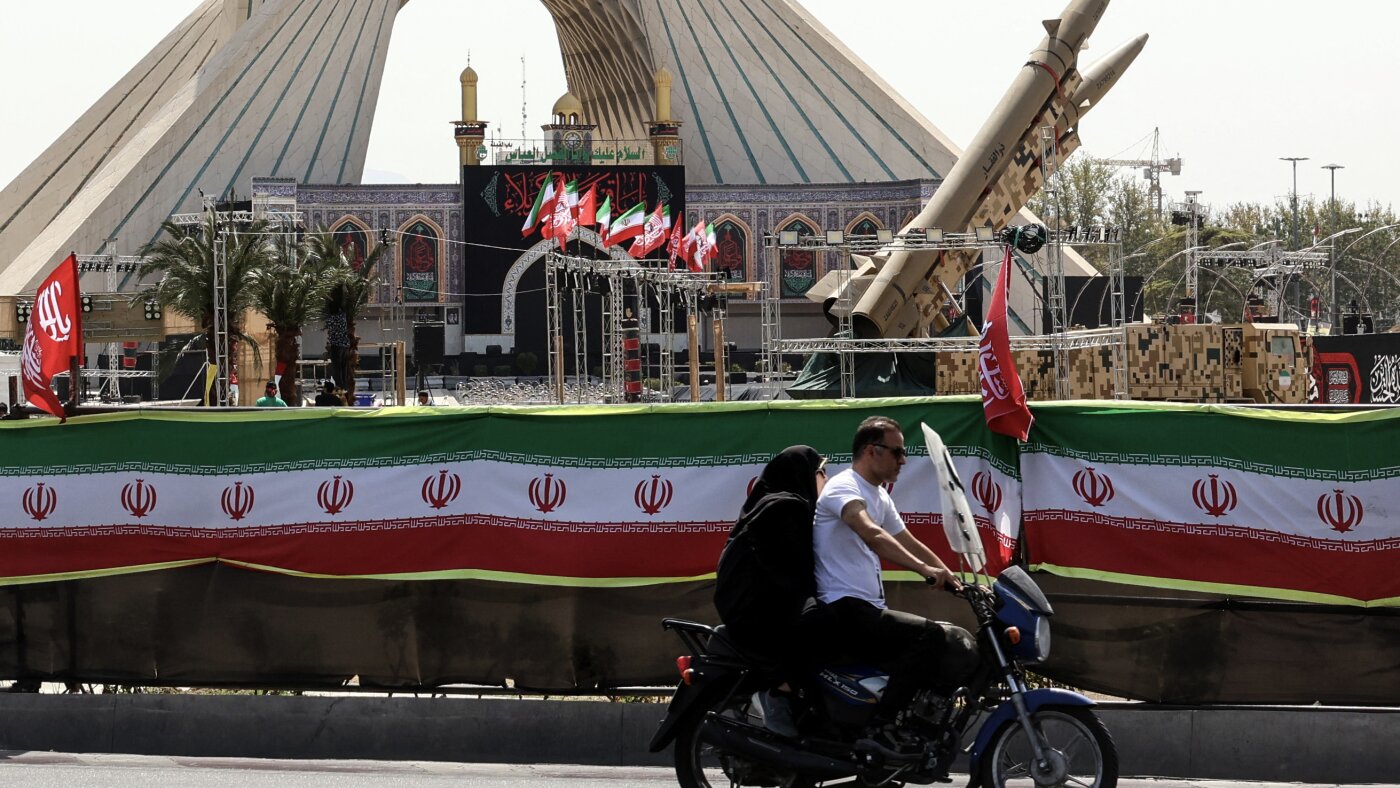
President Trump raised the prospect of a Trump Iran escalation as the U.S. military kept striking targets in Iran and Tehran launched attacks against U.S. positions in the Gulf, according to NPR. Trump told Axios he was weighing what he called “a massive attack” and said he was close to a decision.
The U.S. military said later that it had carried out a 13th straight night of strikes on Iran, NPR reported. The military said the attacks were intended to reduce Iran’s ability to threaten shipping.
Iranian state media reported overnight blasts in areas that included Qeshm and Bandar Abbas along the Strait of Hormuz, according to NPR. Iran’s army said it had conducted drone attacks on several American military facilities and bases in Bahrain and Jordan in response to recent U.S. attacks, NPR reported, citing the Iranian announcement.
What is happening between the U.S. and Iran?
The fighting has become a cycle of U.S. airstrikes and Iranian retaliation across several parts of the region, according to NPR. Trump’s comments added to concern that Washington could expand the campaign beyond the strikes already underway.
At the United Nations, Secretary General António Guterres told the Security Council that the Middle East was being pushed to the “edge of the unimaginable.” He said the situation was “getting out of control” and warned that each confrontation was feeding the next, according to NPR.
What is the Strait of Hormuz?
The Strait of Hormuz is the narrow waterway between Iran and Oman that links the Persian Gulf with the open sea. NPR reported that tensions over Iran’s control of the strait helped push global oil prices above $100 a barrel Thursday, the highest level since May, before benchmark crude fell back below $100 in Friday morning trading.
The conflict has also drawn in Yemen’s Houthi rebels, whom NPR described as a key Iranian ally. After a ceasefire collapsed, the Houthis attacked Saudi tankers this week in the Red Sea near Bab el-Mandeb, a waterway that connects the Red Sea to the Gulf of Aden and is important for container traffic using the Suez Canal, NPR reported.
Trump threatened “major military punishment” against the Houthis if the attacks continue, according to NPR. NPR also reported that Saudi Arabia backs Yemen’s internationally recognized government, while the Houthis blame Saudi Arabia for an attack last week on the airport in Yemen’s capital.
In Iraq’s Kurdistan Region, security forces shot down explosive-laden drones near Erbil’s international airport, NPR reported. The airport’s director said it closed for a time and later resumed normal operations Friday morning.
NPR reported that Iran had not claimed responsibility for the strikes in the Iraqi Kurdish region, where the U.S. has a military presence. Armed Kurdish-Iranian opposition bases in that region have often been targeted by Iran and groups backed by Iran, according to NPR.
Iraqi Prime Minister Ali al-Zaidi said after visiting Iran on Thursday that he had promised not to allow attacks on Iran from Iraqi territory, NPR reported. Zaidi had met Trump in Washington earlier in the week and pledged to step up efforts against Iran-backed Iraqi militias that have attacked U.S. forces, according to NPR.
The rising tension also affected diplomacy and travel. NPR reported that the U.K. temporarily pulled diplomatic staff from Iran, while some airlines canceled regional flights; Qatar Airways said it would suspend service to Bahrain, Kuwait and Erbil through the end of July.
This story draws on original reporting from NPR.