
Tanker seized off Yemen as Somali piracy concerns grow
Yemen’s coastguard blamed Somali pirates for taking the Astana near Hadramawt, adding to a renewed run of hijackings in key shipping waters.
By Daniel Okafor · Business Editor
3 min read
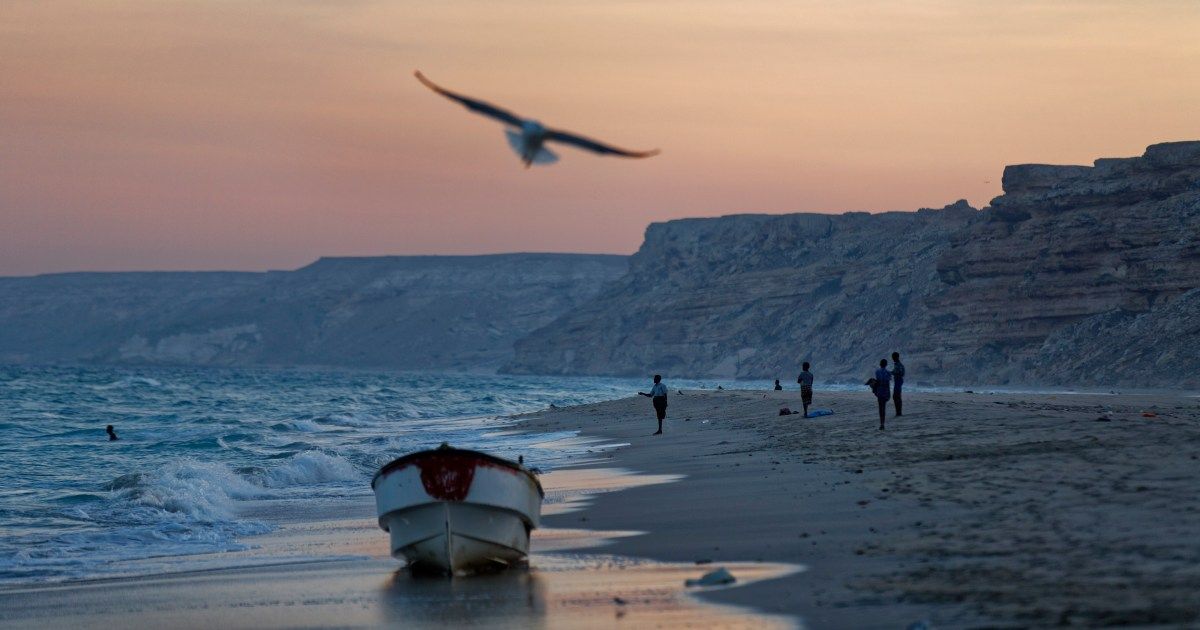
An oil tanker has been seized off Yemen, and the Yemeni coastguard said Somali pirates were responsible. The incident puts fresh pressure on a shipping corridor that links the Gulf of Aden, the Red Sea and the Suez Canal.
Yemen’s coastguard said the tanker Astana was taken on Friday about 26 nautical miles, or 48km, off Hadramawt province. Authorities said they were working with international partners and maritime agencies to confirm the vessel’s condition and follow its movements.
The United Kingdom Maritime Trade Operations agency, citing military sources, reported an illegal boarding 65 nautical miles, or 120km, south of the port of Mukalla. UKMTO said “unauthorised personnel” had boarded the vessel and advised ships nearby to use caution and report suspicious activity while the case remained under investigation.
Early reports cited by maritime authorities indicated one person had been seen near the tanker’s bridge. The vessel was reported to be moving slowly southeast in the direction of Somalia.
Yemeni authorities said naval assets, including a coastguard boat, were heading toward the tanker. Aircraft were also reported to be conducting reconnaissance flights over the area.
The seizure follows a renewed rise in Somali piracy after more than a decade of relative quiet, according to maritime monitors cited by Al Jazeera. The French navy’s Mica Center has recorded 18 piracy incidents and hijackings since April, with at least three other vessels still being held for ransom.
The area carries commercial importance because the Gulf of Aden connects shipping traffic to the Red Sea and the Suez Canal. Al Jazeera reported that about 12 to 15 percent of global trade by value moves through the canal each year, along with roughly 30 percent of global container traffic.
Somali pirate groups were blamed for more than 1,000 attacks from 2005 to 2012, according to figures cited by Al Jazeera. The World Bank has estimated that ransom payments from piracy off the Horn of Africa were worth about $400 million during that period, before international naval action helped sharply reduce hijackings by 2013.
The shipping industry removed the Indian Ocean’s high-risk designation in 2023 after judging the threat to have fallen, Al Jazeera reported. Recent incidents have revived concern among governments and naval forces operating near the Horn of Africa.
Analysts cited by Al Jazeera have linked the increase to several pressures: naval forces strained by conflicts in the Red Sea and the Strait of Hormuz, ships moving closer to Somali waters while changing routes, and instability inside Somalia.
Egypt’s foreign ministry said late last month that its embassies in Mogadishu and Riyadh were working to free Egyptian sailors held on the tanker Eureka, which was seized off Somalia in May.
On Thursday, EU foreign policy chief Kaja Kallas signed a Status of Forces Agreement with Djibouti, giving continued access and logistical support for ships and aircraft attached to the bloc’s Atalanta and Aspides naval missions. Speaking in Djibouti, Kallas said the Aspides mission had protected more than 670 merchant vessels and rescued 128 seafarers in less than two and a half years.
This story draws on original reporting from Al Jazeera.