
Syria delisting plan raises economic hopes in Damascus
Washington’s move to remove Syria from a terrorism list could ease banking and investment barriers, though residents say relief may take time.
By Sofia Marchetti · World Affairs Correspondent
3 min read
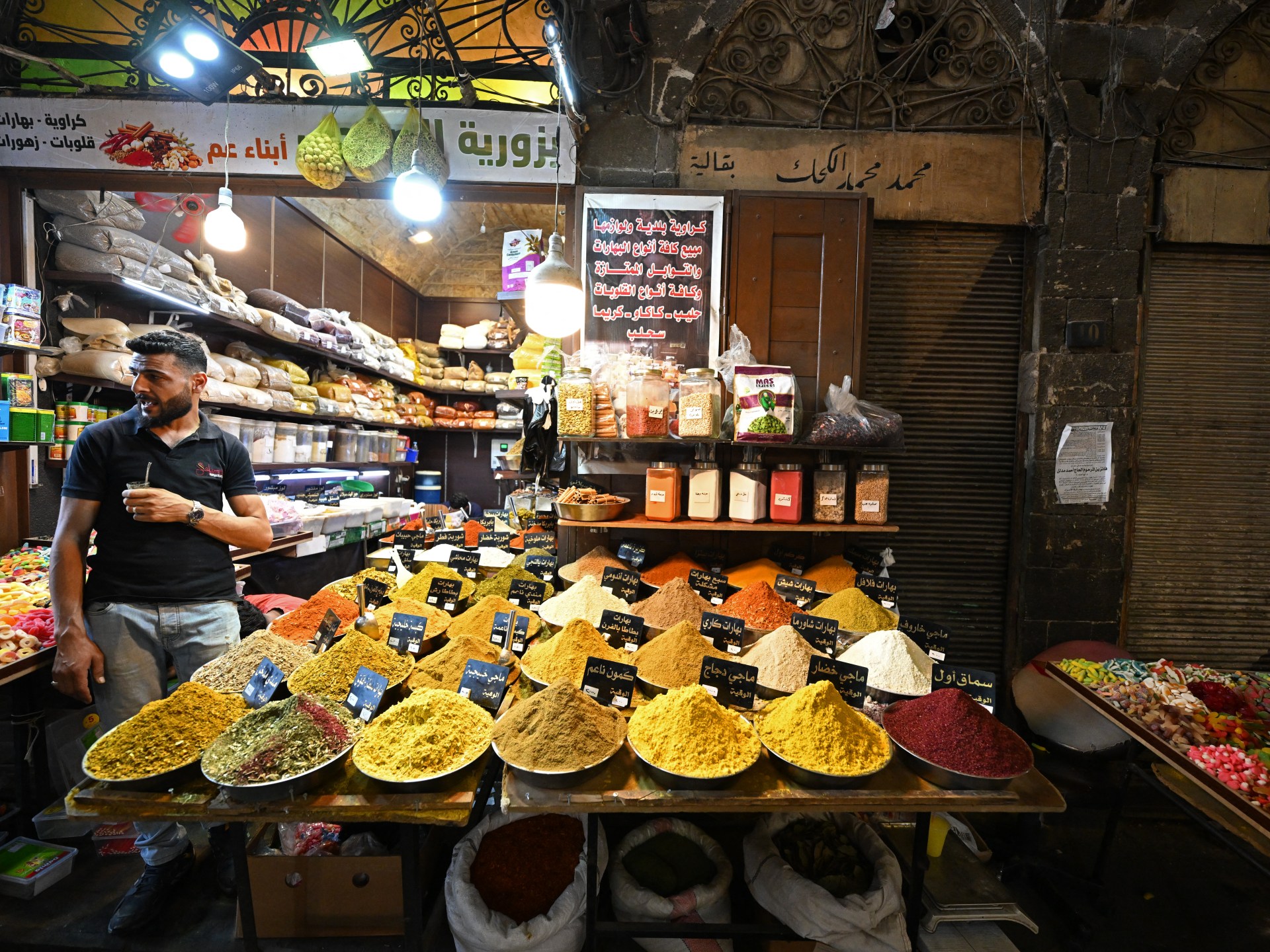
US President Donald Trump’s plan to remove Syria from Washington’s state sponsor of terrorism list has raised hopes in Damascus that the country can regain access to global finance. Syrians and analysts told Al Jazeera the step could help end one of the most difficult barriers to trade and investment, though they cautioned that daily economic hardship will not disappear quickly.
Al Jazeera reported that many Syrians see sanctions as a lasting economic legacy of the al-Assad family’s rule, which began under Hafez al-Assad in 1971 and continued under Bashar al-Assad until rebel groups defeated him in December 2024. The measures, led by the United States and joined by other countries, helped cut Syria off from the international economic system, according to the report.
The terrorism designation remained in place even after Bashar al-Assad’s fall, Al Jazeera reported. Syrians have continued to face practical obstacles, including money transfers from abroad that often have to be routed through Lebanon or Turkiye, and limited access to some online services without a virtual private network.
A push to rejoin the global economy
Trump announced on Wednesday that his administration would remove Syria from the state sponsor of terrorism list, according to Al Jazeera. The move follows earlier US sanctions relief, including measures tied to the Caesar Act, though those steps have not yet produced a broad economic turnaround.
In central Damascus, pastry shop owner Ihab expressed cautious optimism to Al Jazeera. “God willing, it will improve things,” he said.
The World Bank has said sanctions since 2011 contributed to a major drop in Syrian exports and a wider trade deficit, according to Al Jazeera. After the al-Assad government fell, interim President Ahmed al-Sharaa’s administration made the removal of US and international sanctions a central part of its economic recovery plan.
Al-Sharaa, who previously led the al-Qaeda-aligned Nusra Front, had been sanctioned by the United Nations and was wanted by the United States as a “terrorist”, Al Jazeera reported. He has sought to distance himself from those past ties, including by pledging to help fight ISIL, also known as ISIS.
According to Al Jazeera, the European Union and the United States have already removed many sanctions on Syria and on al-Sharaa personally. Sanctions linked to the US terrorism designation were among the remaining major restrictions.
Syria was first added to the US state sponsor of terrorism list in 1979 during Hafez al-Assad’s rule because of government support for Palestinian armed groups, Al Jazeera reported. Later sanctions targeted the Syrian state and people tied to the al-Assad government over systematic torture and chemical weapons use, while some rebel groups were sanctioned over links to al-Qaeda and other banned organizations.
Relief may be slow
Rob Geist Pinfold, a lecturer in security studies at King’s College London, told Al Jazeera the delisting would remove a major block to international engagement with Syria and the al-Sharaa administration. He said it was especially relevant for banks and companies weighing whether to work in the country.
Pinfold also warned that the decision does not guarantee a rapid rush of outside investment. He told Al Jazeera that foreign actors may still have concerns about the government’s control, remnants of the al-Assad regime, a possible ISIL return, bureaucracy and corruption.
Some Damascus residents voiced similar caution. A minimarket owner who declined to give his name told Al Jazeera that change would require patience, citing high costs, weak investment, broader economic problems and a recent fuel shortage.
Others described modest improvements while saying recovery would take time. Zaher, a 50-year-old juice seller in central Damascus, told Al Jazeera that no one was bothering him as he worked from his cart and that electricity was improving. “These things take time,” he said.
This story draws on original reporting from Al Jazeera.