
Supreme Court rejects Trump bid to end birthright citizenship
The 6-3 ruling preserves automatic citizenship for children born on US soil and blocks a central piece of Trump's immigration agenda.
By Sofia Marchetti · World Affairs Correspondent
4 min read
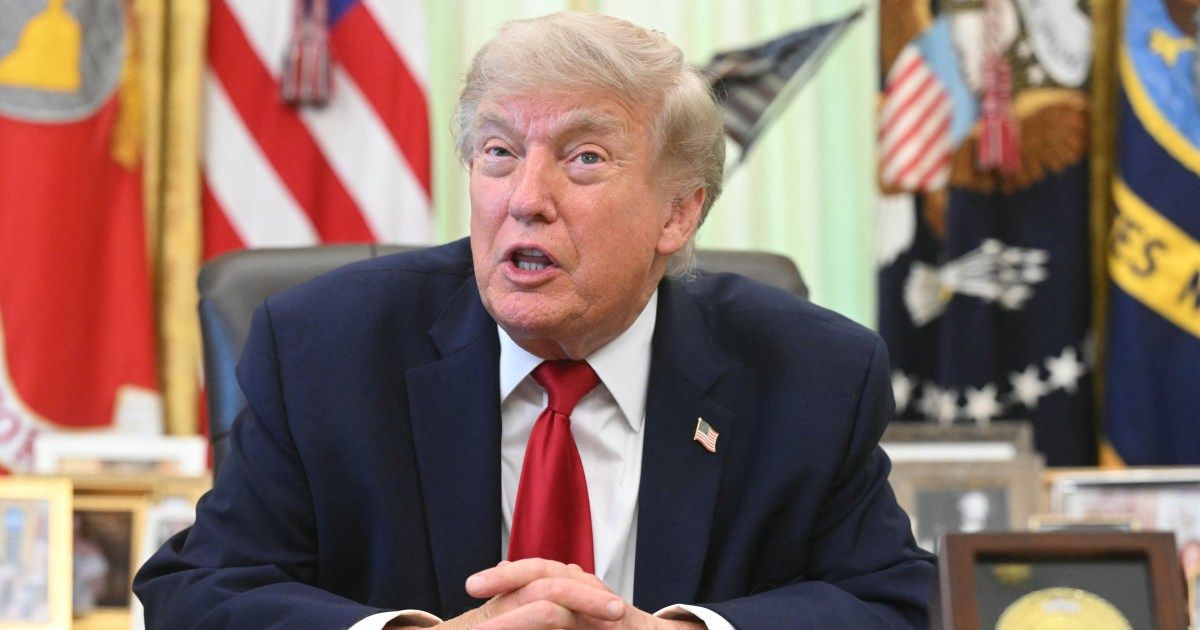
The US Supreme Court has blocked President Donald Trump’s effort to deny automatic citizenship to some children born in the United States, preserving a constitutional rule that has shaped American citizenship since the aftermath of the civil war. The 6-3 decision undercuts a major part of Trump’s immigration programme ahead of the November midterm elections, according to Al Jazeera.
The ruling, issued Tuesday, rejected an executive order Trump signed soon after returning to office in January 2025. The order sought to exclude US-born children from citizenship if their parents lacked legal status, held only temporary visas or did not include at least one US citizen or lawful permanent resident, Al Jazeera reported.
Chief Justice John Roberts wrote for the majority and tied the decision to the 14th Amendment, which was ratified in 1868. Roberts wrote that the amendment’s framers extended citizenship to “every free-born person in this land” and that the court was keeping that promise.
What Trump tried to change
Birthright citizenship gives citizenship to babies born in the United States regardless of their parents’ immigration status. Al Jazeera said the practice rests on the principle of jus soli, or right of the soil, rather than jus sanguinis, in which nationality follows the parents’ citizenship.
Trump argued that the policy burdened taxpayers and allowed undocumented migrants to draw on public benefits. His administration’s lawyers told the court that the 14th Amendment had been misread and that its phrase “subject to the jurisdiction thereof” excluded some immigrant groups from automatic citizenship, according to Al Jazeera.
US Solicitor General John Sauer argued for the administration that citizenship at birth should apply only to people with “allegiance to the United States by virtue of domicile”. He also said the current system encouraged “birth tourism” by foreigners seeking citizenship for their children.
Trump and allies denounce the ruling
Trump called the decision “too bad for our country” and urged Republicans in Congress to move against birthright citizenship through legislation. In a post cited by Al Jazeera, he said Congress should begin work “TODAY” and promised his “Complete and Total Support”.
White House deputy chief of staff Stephen Miller described the ruling as “destructive and outrageous” in a post on X. Miller told Al Jazeera the administration would keep “fighting” to end birthright citizenship despite the court’s decision.
Al Jazeera reported that Trump had personally attended oral arguments in April, becoming the first sitting president to do so in an active Supreme Court case. He left during the hearing and later wrote on Truth Social that the United States was “STUPID” for allowing birthright citizenship.
Who is affected
A May 2025 study by the Migration Policy Institute and Pennsylvania State University estimated that Trump’s order would have left about 255,000 US-born babies each year without citizenship if it had taken effect. The study projected the undocumented population would rise by 2.7 million by 2045.
Pennsylvania State University estimated Latino immigrants would have been affected most, accounting for more than 90 percent of US-born people without legal status by 2050 under the policy change. The university also found the Asian population would see the largest relative growth, with 41 unauthorised births per 1,000 Asians without legal status, compared with 17 per 1,000 Latinos without legal status.
The Center for Migration Studies estimated that people benefiting from birthright citizenship will contribute $7.7 trillion in income to the US economy between 1975 and 2074, according to Al Jazeera.
What could come next
Rainer Baubock, a lecturer at the Robert Schuman Centre for Advanced Studies at the European University Institute, told Al Jazeera the ruling likely blocks ordinary legislation from restricting birthright citizenship. He said a constitutional amendment would be needed and described its chances as “practically zero”.
Nando Sigona, a migration lecturer at the University of Birmingham, told Al Jazeera that legislation alone would probably face immediate constitutional challenges unless Congress pursued the difficult amendment process requiring broad bipartisan support. Sigona said the decision reaffirmed that the Constitution, rather than presidential authority, defines US citizenship.
Pew Research Center polling cited by Al Jazeera found 56 percent of US adults opposed Trump’s executive order, while 43 percent supported it. Pew has also said at least 30 other countries have similar birthright citizenship protections, including Canada, Mexico, Brazil and Argentina.
This story draws on original reporting from Al Jazeera.