
Supreme Court limits Roundup cancer warning lawsuits
The 7-2 decision backs Bayer’s argument that federal pesticide law blocks state claims over cancer warnings on Roundup labels.
By Lucas Ferreira · Science & Environment Writer
3 min read
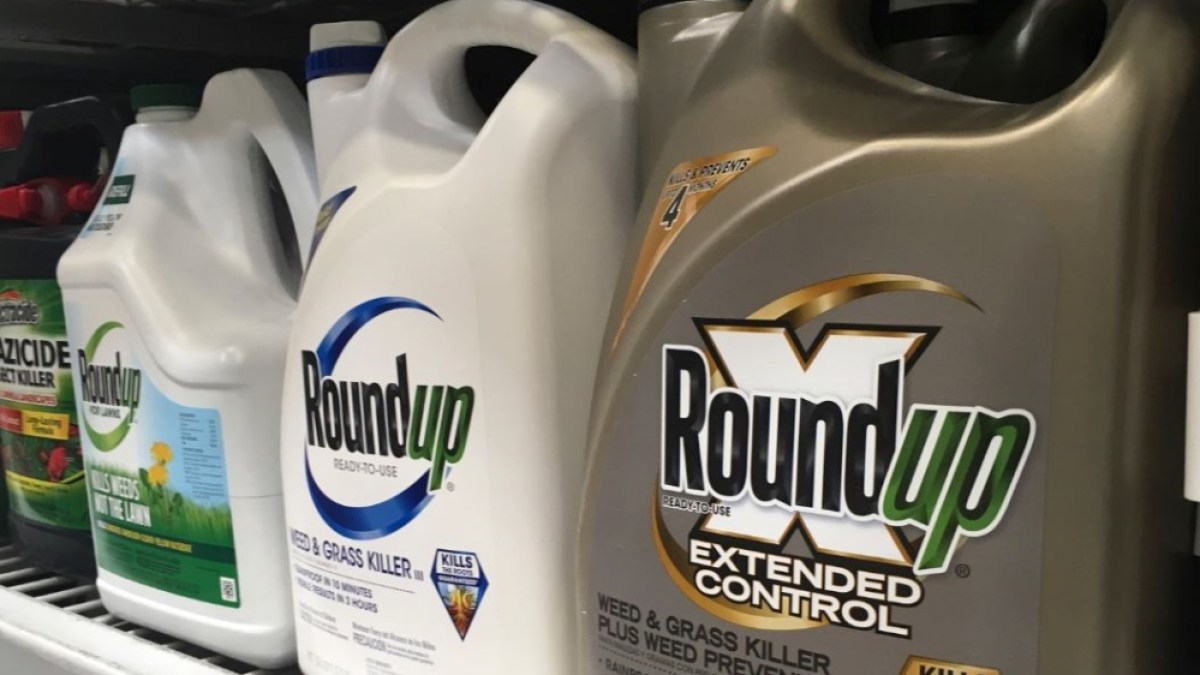
The US Supreme Court has restricted a major path for lawsuits alleging Roundup weedkiller should have carried a cancer warning, a ruling expected to shut down thousands of claims against Bayer. The decision matters because Bayer has faced more than 100,000 US cases over glyphosate, the active ingredient in Roundup, according to AP and Reuters.
In a 7-2 ruling on Thursday, the court held that federal pesticide law bars state failure-to-warn claims seeking a cancer warning that the US Environmental Protection Agency has not required. AP and Reuters reported that Bayer shares rose nearly 18 percent after the decision.
The case involved John Durnell, a Missouri man who said he developed non-Hodgkin lymphoma after years of exposure to Roundup. A Missouri jury awarded him $1.25m in 2023, and a state appeals court upheld the verdict in 2025, according to AP and Reuters.
Justice Brett Kavanaugh, writing for the court, said the EPA has concluded glyphosate does not cause cancer and approved Roundup labels without a cancer warning. He wrote that Durnell’s claim was preempted because it would force Monsanto to add a warning while federal law required use of the EPA-approved label.
Justice Ketanji Brown Jackson dissented, joined by Justice Neil Gorsuch. Jackson said Durnell’s claim would impose labeling duties equivalent to those required under federal pesticide law and called the ruling “remarkable and regrettable” because it closes courts to state tort plaintiffs such as Durnell.
Federal pesticide law at issue
The dispute centered on the Federal Insecticide, Fungicide and Rodenticide Act, known as FIFRA, which governs pesticide sales and labeling. The law bars states from imposing labeling requirements that differ from or add to federal requirements, AP and Reuters reported.
Bayer argued that the EPA’s repeated approval of Roundup labels without a cancer warning showed the product was not misbranded under FIFRA. Durnell’s lawyers argued that the label could still be challenged as misbranded and that Missouri law imposed the same duty as the federal ban on inadequate warnings.
The Trump administration supported Bayer in the case. AP and Reuters reported that the ruling could be politically difficult for the administration because some allies in the “Make America Healthy Again” movement have pushed for tighter limits on pesticide use.
Bayer sees litigation relief
Bayer bought Monsanto, Roundup’s original producer, in a $63bn deal in 2018. The company has said the Roundup litigation could threaten its ability to supply the herbicide to farmers, AP and Reuters reported.
Bayer spokesperson Tino Andresen said the ruling was good for science, farmers and industries that rely on regulatory clarity. He said it should lead to dismissal of current warning-based claims and block future failure-to-warn claims.
Bayer has already removed glyphosate from the consumer version of Roundup amid the litigation. In February, the company announced a proposed $7.25bn settlement to resolve tens of thousands of current and future claims, though Bayer said some pending appeals and claims outside the deal would not be covered and amounted to nearly $1bn.
Environmental and public health advocates criticized the ruling. Tarah Heinzen, legal director at Food and Water Watch, said the court had sided with business over people and the environment, while Kelly Ryerson of American Regeneration said the decision would worsen chronic disease harms tied by activists to glyphosate.
Union Investment fund manager Markus Manns told AP and Reuters the ruling marked a major point for Bayer and said future lawsuits would become much harder. He said a final resolution would depend on whether plaintiffs and a court approve the company’s proposed settlement in July.
This story draws on original reporting from Al Jazeera.