
Super Typhoon Bavi damages Guam and Northern Mariana Islands
Bavi hit Rota as a top-tier storm, flooding roads, cutting power and filling shelters across Guam and the Northern Mariana Islands.
By Daniel Okafor · Business Editor
3 min read
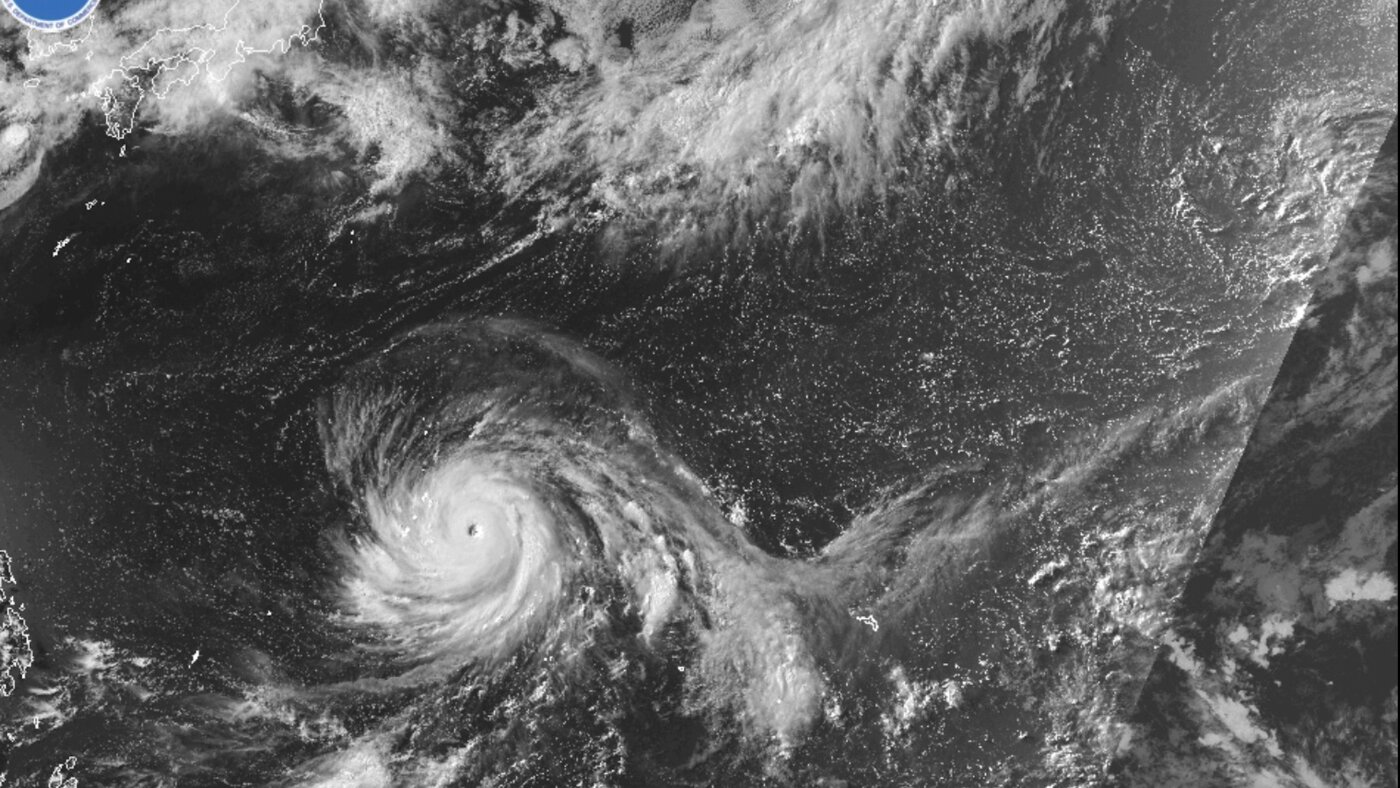
Super Typhoon Bavi struck Guam and the Northern Mariana Islands with extreme winds and flooding, leaving officials to begin assessing damage across the U.S. Pacific territories. The storm matters for communities still recovering from another typhoon that hit the region in April, with shelters already crowded as Bavi arrived.
NPR reported that Bavi made landfall Monday morning local time, with the eye crossing Rota, an island about 40 miles northeast of Guam. By Monday afternoon, the National Weather Service said the typhoon was moving away from the Marianas, though damaging winds were still affecting the area.
The National Weather Service said storm intensity was 175 mph Monday afternoon. Guam’s Joint Information Center said Bavi was moving west-northwest at 7 a.m. Monday with maximum sustained winds of 180 mph, making it a Category 5 storm.
The Joint Typhoon Warning Center classifies tropical cyclones in the western North Pacific as super typhoons when sustained winds reach at least 150 mph.
The National Weather Service had issued typhoon warnings over the weekend for Guam, Rota, Tinian and Saipan, the capital of the Northern Mariana Islands. In an earlier forecast update, forecasters called the storm “an extremely dangerous and life-threatening situation.”
Isla Public Media reported major damage to the mayor’s office on Rota. NPR reported severe outages on Guam and Saipan, along with flooded roads and debris scattered in streets.
Guam Gov. Lou Leon Guerrero said she planned to assess the damage Tuesday morning local time, according to Isla Public Media. “First thing tomorrow morning, early, early tomorrow morning, I am going to go out and make an assessment,” Leon Guerrero said.
Local National Weather Service meteorologist Landon Aydlett told NPR from central Guam early Monday that conditions were getting worse across the four populated islands, with torrential rain and strengthening winds. “This is a powerhouse super typhoon and this is going to be a very grim outlook for any island that takes a direct hit,” Aydlett said.
Leon Guerrero moved Guam into a higher emergency readiness status on Sunday. During a briefing, she urged residents to stay prepared, remain inside, avoid roads and stay out of the water.
Local governments opened emergency shelters, and NPR reported that they were nearing capacity as residents from low-lying areas and people living in wood and tin homes sought safer places. Aydlett told NPR that northern Guam has many vulnerable communities in weaker housing.
Aydlett also said people on Saipan and Tinian were still dealing with the effects of Typhoon Sinlaku, which hit the region in April. He told NPR that many residents there remained without power two and a half months later, and that shelters were full enough in some places to turn people away.
The Port Authority of Guam suspended operations, NPR reported. The National Weather Service said dozens of schools and hospitals were likely to be affected, and Andersen Air Force Base on Guam asked that only essential personnel access the base.
This story draws on original reporting from NPR.