
Strait of Hormuz evacuation paused after cargo ship is hit
The IMO halted a plan to remove stranded seafarers after a Singapore-flagged vessel was struck near Oman, exposing unresolved disputes over shipping routes.
By Lucas Ferreira · Science & Environment Writer
3 min read
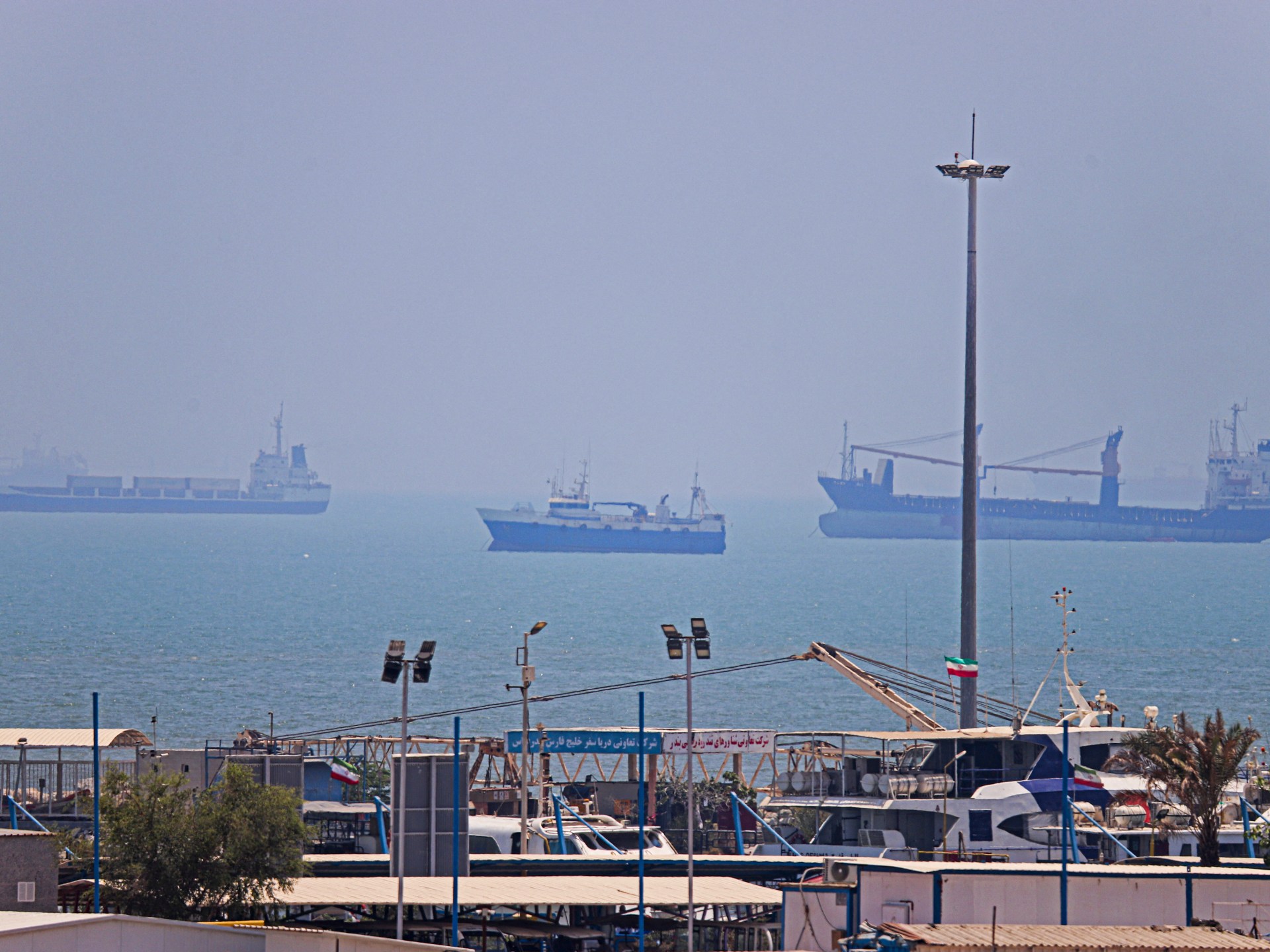
The International Maritime Organization has paused an effort to evacuate more than 11,000 stranded seafarers from the Strait of Hormuz after a cargo ship was hit near Oman. The halt matters because commercial traffic had only recently begun to resume through one of the world’s most important waterways after a US-Iran agreement ended hostilities.
IMO Secretary-General Arsenio Dominguez said some crews had already been removed, but the UN agency would wait for “necessary safety guarantees” before continuing the operation. He said the safety of seafarers remained the priority and that the plan would stay on hold until officials had more clarity.
The United Kingdom Maritime Trade Operations agency, part of the Royal Navy’s maritime security system, said Thursday that a cargo vessel was struck by an unknown projectile about 7.5 nautical miles, or 14km, southeast of Dahit, Oman. UKMTO reported no casualties.
Singapore’s Maritime and Port Authority identified the vessel as the Singapore-flagged Ever Lovely and said all 21 crew members were safe. The authority said the ship completed its passage through the strait and continued its voyage.
The Singapore authority called the strike “unprovoked, unjustifiable, and a breach of international law.” It said actions affecting international shipping must comply with international law, including the United Nations Convention on the Law of the Sea.
Route dispute remains unresolved
The incident followed a memorandum of understanding signed last week by the United States and Iran, according to Al Jazeera. That deal ended hostilities and included provisions meant to reopen the Strait of Hormuz after months of restrictions and violence around shipping.
Al Jazeera reported that Iran restricted passage in early March after US and Israeli attacks on February 28, while the United States imposed a naval blockade in April on Iran-linked vessels attempting to use the waterway. More than a dozen sailors have been killed in attacks on ships, including by American missiles and Iranian projectiles, with most of those killed from India, according to Al Jazeera.
Commercial traffic has restarted since the US-Iran deal, but Al Jazeera reported that disputes remain over which routes vessels should use and whether Iran may charge a fee. The agreement says Iran would use its best efforts to allow commercial vessels to pass without charge for 60 days, while also referring to demining work within 30 days.
Oman and the IMO proposed a corridor that would run closer to Oman’s coast and partly avoid waters under Iran’s direct control, according to Al Jazeera. Tehran rejected the proposal, saying it had been announced without consultation and raised safety concerns while demining continued.
MarineTraffic data cited by Al Jazeera showed the Ever Lovely had been using the southern route proposed by the IMO earlier that day. Dominguez said the Ever Lovely was not travelling under the IMO evacuation framework.
Iran warns ships over approved routes
Iran has not claimed responsibility for the strike, according to Al Jazeera, and has not denied involvement. Iranian state broadcaster IRIB reported that the Islamic Revolutionary Guard Corps warned that passage through the strait was possible only on routes announced by Iran.
Kazem Gharibabadi, Iran’s deputy foreign minister, said on X that safe passage could not be guaranteed for vessels using arrangements that did not account for Iran’s role as a coastal state. He said any credible system needed coordination with Iran and the Islamabad memorandum of understanding.
Iranian state TV reported Friday that three foreign oil tankers attempting to cross the strait “without authorisation” turned back after an IRGC warning. Iran had published its own map of approved routes in April, directing ships closer to its coastline, according to Al Jazeera.
Shipping remains below pre-war levels. Kpler, a maritime analytics firm, said 54 verified commercial and energy-related vessels crossed the strait Thursday, down from 70 the previous day; before the conflict, Al Jazeera reported, 120 to 140 vessels typically passed daily.
This story draws on original reporting from Al Jazeera.