
Commentator ties Spain’s World Cup win to Gaza solidarity
After Spain beat Argentina, Ziyad Motala argued that Gaza shaped how many neutral fans read the final and Spain’s politics.
By Lucas Ferreira · Science & Environment Writer
3 min read
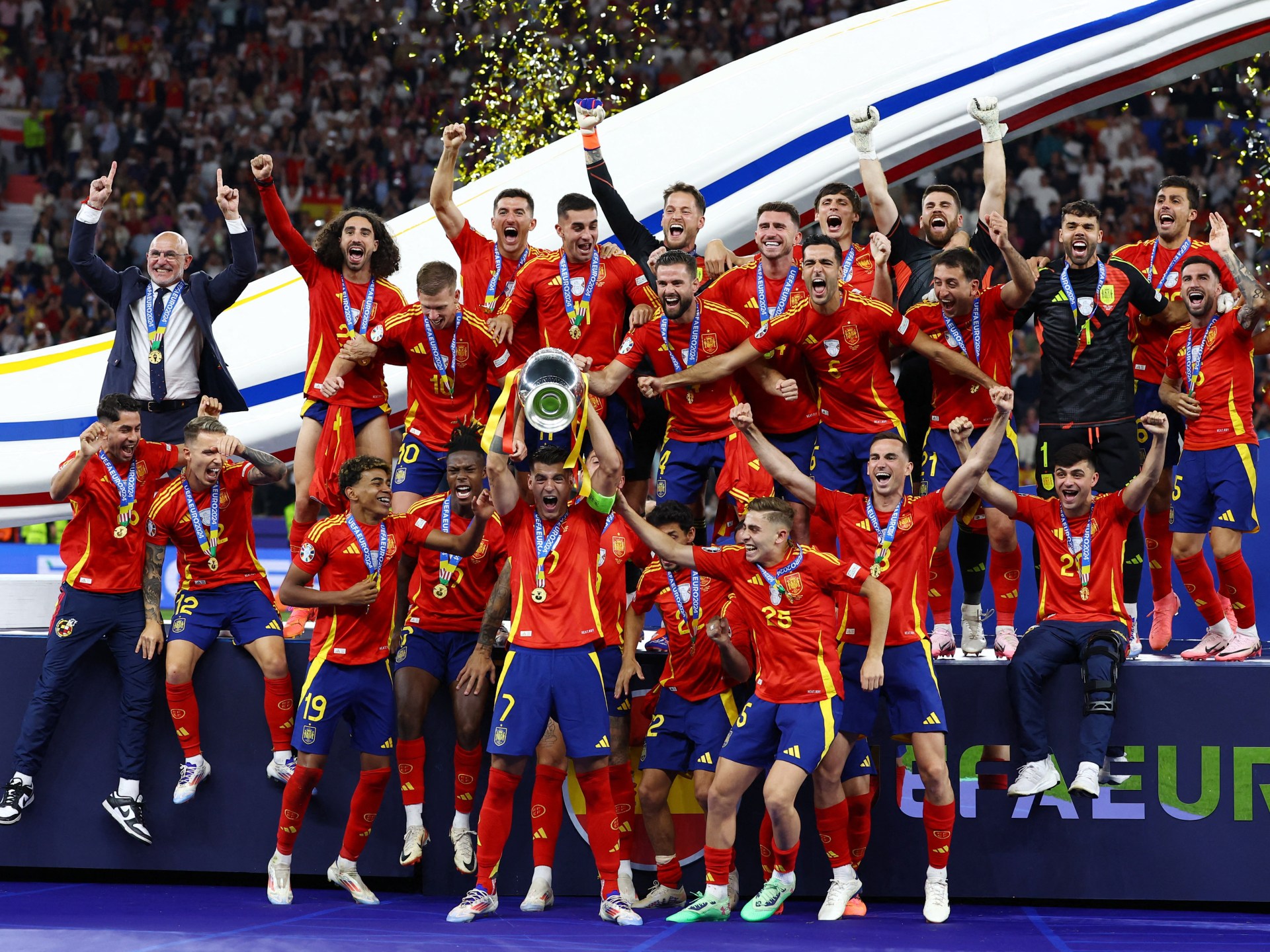
Spain beat Argentina to win the World Cup, a result that law professor Ziyad Motala said carried political meaning for many viewers far beyond football. In a commentary for Al Jazeera, Motala argued that Gaza and Palestine have changed how some neutral fans judge teams, governments and public figures.
Motala, a professor at Howard University School of Law, wrote that supporters with no direct tie to Spain or Argentina might once have chosen a side based on style, players or colours. He said the war in Gaza has made those choices feel less detached for people who now view public life through questions of solidarity and accountability.
Spain’s stance on Palestine
Motala pointed to the government of Spanish Prime Minister Pedro Sánchez as a reason some fans embraced Spain during the final. He wrote that Spain has recognised the State of Palestine, that Sánchez has described events in Gaza using the term genocide, and that his government has moved to strengthen an arms embargo on Israel.
The Spanish team, Motala stressed, is not the same as the Spanish government. He also said players should not be held responsible for national policy. Still, he argued that sport is often experienced through identity, history and moral judgment, rather than only through tactics and results.
Motala also cited Barcelona and Spain player Lamine Yamal, who waved a Palestinian flag during Barcelona’s celebrations after winning La Liga. He described the gesture as symbolic, saying it mattered at a time when Palestinians’ suffering has often been pushed out of view by powerful institutions.
Al Jazeera’s captions identified Spain as the current European and world champions. The outlet also published a Reuters photo of a mural in Gaza City’s Shati refugee camp depicting Yamal after his Palestinian flag gesture.
Argentina, Milei and wider politics
Motala contrasted those symbols with Argentina’s political setting under President Javier Milei. He wrote that Milei has aligned himself with US President Donald Trump and has called himself “the most Zionist president in the world.”
Motala said Argentina’s players and people should not be reduced to the president’s positions. Even so, he argued that those politics affected how some viewers experienced the World Cup final.
He also referred to Lionel Messi’s 2013 visit to the Western Wall in occupied East Jerusalem during a Barcelona trip to Israel and the occupied Palestinian territory. Motala wrote that the image has taken on new meaning for some viewers since the devastation in Gaza, while noting that it came from a different moment and set of circumstances.
Beyond the World Cup, Motala cited a March vote at the United Nations General Assembly on a resolution concerning the transatlantic trafficking and enslavement of Africans and calls for reparatory justice. He said 123 countries supported it, 52 abstained and only the United States, Israel and Argentina voted against it.
Motala’s central argument was that Spain’s victory became, for some fans, a vehicle for expressing support for Palestinians. He wrote that a World Cup win cannot deliver justice, rebuild homes or bring back the dead in Gaza, but that symbols still shape how people experience public events, including football.
This story draws on original reporting from Al Jazeera.