
Somalia pushes to digitize Radio Mogadishu’s endangered archives
Radio Mogadishu’s archive holds about 400,000 hours of broadcasts, much of it at risk as aging tapes deteriorate.
By Daniel Okafor · Business Editor
3 min read
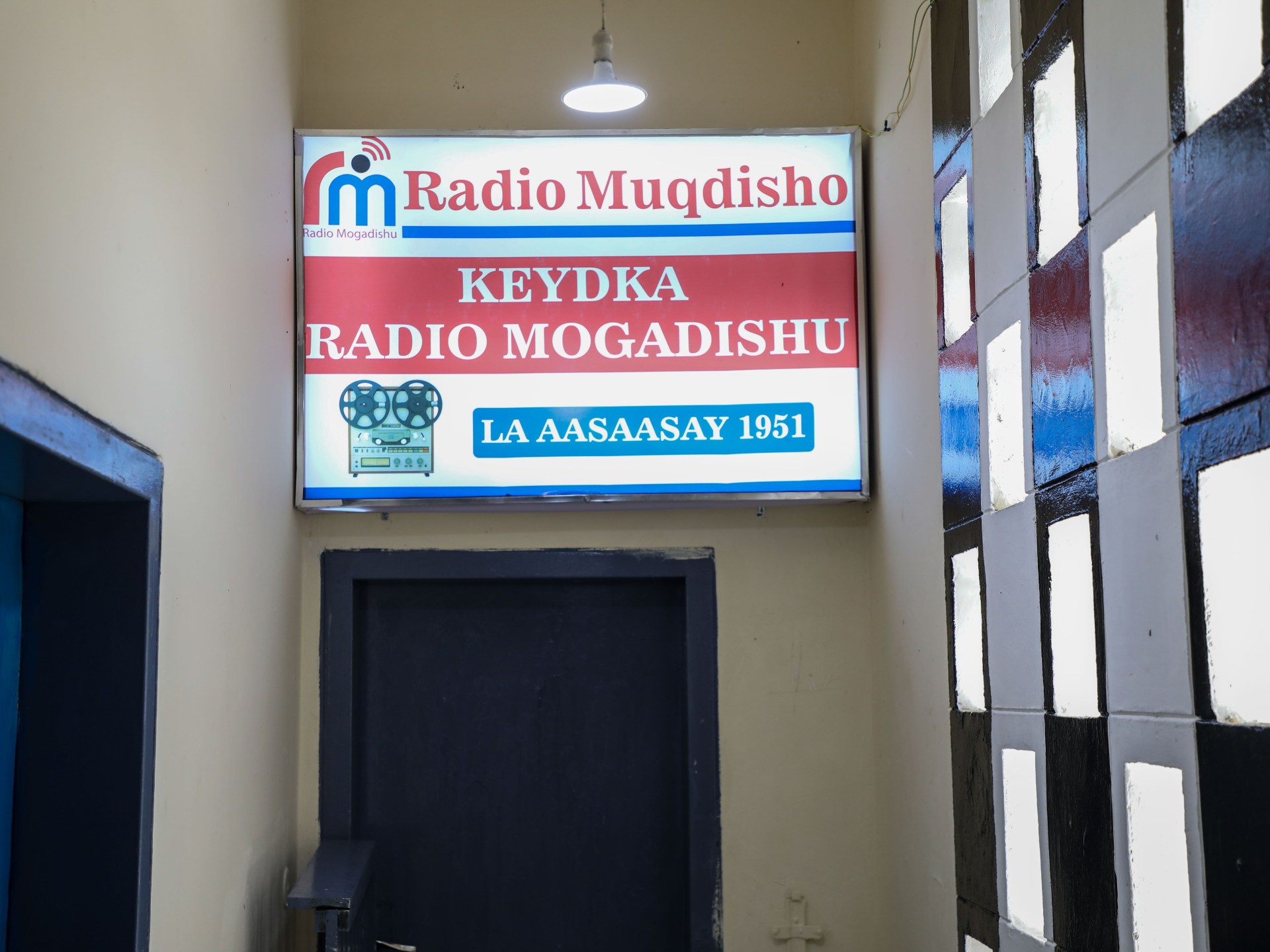
Somalia is trying to preserve tens of thousands of Radio Mogadishu tapes before age, conflict damage and limited resources erase parts of the country’s recorded history. Al Jazeera reported that archivists are converting an estimated 400,000 hours of broadcasts, including news, speeches, music and drama dating to the early 1950s.
The collection sits in the public broadcaster’s archive in Mogadishu, where reel-to-reel tapes are being played on old machines and recorded into computers, according to Al Jazeera. Radio officials said the project is meant both to save the material and, eventually, make it available beyond the archive room.
A large record of Somali public life
Radio Mogadishu was founded in 1951 during the Italian colonial period, Al Jazeera reported. It began in Italian and Somali and later added services in languages including Swahili, Oromo, English and Arabic.
Archivist Abdiqadir Geedi Robleh told Al Jazeera the collection is “the world’s largest store of Somali language music, culture, dramas and everything else.” He said the archive is now effectively shut away from the public while staff work to preserve it.
An expert assessment in April found about 45,000 tapes and reels in the archive, according to UNESCO. The UN heritage agency said those recordings represent about 400,000 hours of material made since the station began broadcasting.
UNESCO said more than 85 percent of the recordings remain playable. It also found that about one in 10 has deteriorated with age, while more than 5 percent has been destroyed or badly damaged.
UNESCO effort adds urgency
Somalia’s information ministry and UNESCO’s regional office for Eastern Africa held a workshop in Mogadishu in early June for archivists from across the country, Al Jazeera reported. The longer-term goal is to seek registration for the archive under UNESCO’s Memory of the World programme, which lists documentary heritage judged to have historical value.
Guilherme Canela, a senior UNESCO official working on the project, told Al Jazeera that protecting the material matters beyond Somalia. Station director Abdi Jeite said the digitization effort began around 2012 but has been slowed by shortages of money and equipment; he estimated that about 10 percent of the archive has been converted so far.
Robleh told Al Jazeera that some material was damaged in a 2018 electrical fire. Other recordings were lost during fighting in Mogadishu in 1992, when US forces battled Somali militias, according to Al Jazeera.
Al Jazeera also cited the role of police colonel Abshir Hashi Ali, who said he returned to the archive during the civil war to protect its contents from looting after the government collapsed in 1990.
Why the recordings matter
Iman Mohamed, a University of Minnesota assistant professor and historian of Somalia, told Al Jazeera that Radio Mogadishu was a central media institution in post-independence Somalia. In a society with a strong oral tradition, she said, radio helped create a shared national public space.
Former Radio Mogadishu journalist Hassan Dahir told Al Jazeera the station was for years a main news source for millions of Somalis, including nomadic herders who followed international events through its broadcasts. Under Siad Barre, who seized power in 1969 and ruled for two decades, the station also carried state ideology through news, drama, religious programmes and nationalist material, Al Jazeera reported.
The archive includes recordings tied to Somalia’s mass literacy campaign, anti-colonial coverage and broadcasts aimed at communities in Ethiopia, according to Al Jazeera. Dahir said the station aired early Oromo and Sidama programmes at a time when those languages had been suppressed in Ethiopia.
Radio Mogadishu’s role has shrunk since the collapse of Somalia’s central government in 1991, Al Jazeera reported, as private radio, television and online outlets expanded. Mohamed said civil war damage has left major gaps in Somalia’s records, making the recovery of Radio Mogadishu’s archive especially valuable for young Somalis and researchers.
This story draws on original reporting from Al Jazeera.