
Saudi nuclear pact depends on Abraham Accords, Trump says
Trump said the US-Saudi civilian nuclear deal needs Riyadh to normalize ties with Israel, raising new questions about the pact.
By Daniel Okafor · Business Editor
3 min read
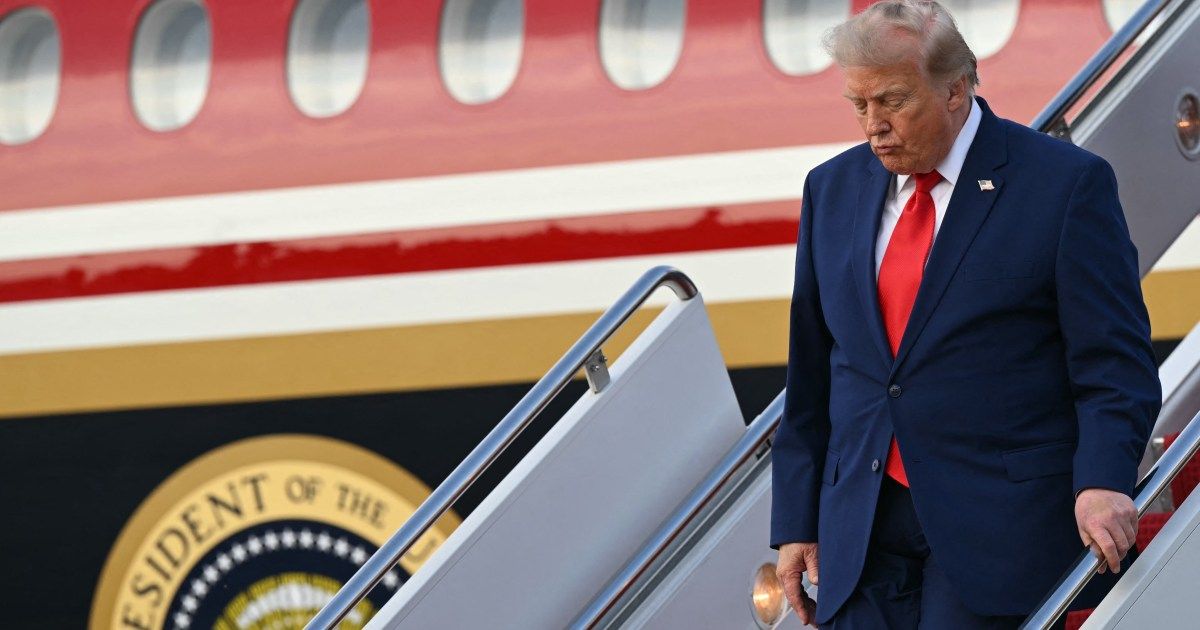
President Donald Trump said the Saudi nuclear pact will depend on the kingdom joining the Abraham Accords, tying a civilian energy agreement to Riyadh normalizing relations with Israel. The statement, made Thursday on Truth Social, added uncertainty to a deal whose full terms have not been released.
Trump wrote that the agreement “will be approved” but said approval was “totally subject” to Saudi Arabia joining the accords, according to Al Jazeera. Saudi Arabia did not immediately respond to the claim, Al Jazeera reported.
The US Department of Energy said Wednesday that Washington and Riyadh had signed a peaceful nuclear cooperation agreement for a decades-long, multibillion-dollar partnership. The department also announced a bilateral safeguards agreement connected to the start of a Saudi civilian nuclear program.
The agreement still needs approval from the US Congress, according to Al Jazeera. Trump’s statement places a new political condition on a pact that was already drawing scrutiny from lawmakers and nonproliferation groups.
What did Trump say about the Saudi nuclear pact?
Trump said the deal would be approved only if Saudi Arabia joins the Abraham Accords, the normalization framework between Israel and several Arab states that began during his first term. Al Jazeera’s Mike Hanna reported from Washington that the condition did not appear to be part of the original agreement and was likely to prompt questions in Congress.
Riyadh joining the accords would mark a sharp shift in Saudi policy, Al Jazeera reported. Saudi Arabia has resisted normalizing ties with Israel, while both the Trump administration and former President Joe Biden’s administration pushed for such a step.
The Abraham Accords were first signed by the United Arab Emirates and Bahrain in December 2020. Morocco and Sudan later signed on, though Sudan has not ratified the agreement, according to Al Jazeera.
Israel’s ties with the signatory states have worsened during its war in Gaza, Al Jazeera reported. Critics of the accords had already argued that the agreements sidelined the Palestinian issue.
Why uranium enrichment is central to the debate
Several US media reports have said the Saudi deal would allow domestic uranium enrichment rather than requiring Riyadh to import nuclear fuel, according to Al Jazeera. Such a term would differ from Washington’s usual approach to civilian nuclear cooperation with countries that do not already have enrichment technology.
Trump appeared to reject those reports in his Thursday post, writing that there would be “no enrichment of material.” He added that the United States does not oppose civilian nuclear facilities without enrichment, according to Al Jazeera.
Uranium enrichment is allowed under the Treaty on the Non-Proliferation of Nuclear Weapons, which includes both the United States and Saudi Arabia as signatories. Enrichment can produce fuel for nuclear power plants, while higher levels of enrichment can be used in nuclear weapons programs.
Iran’s enrichment activities have been a key US and Israeli justification for the war launched on February 28, Al Jazeera reported. Tehran says it is not seeking a nuclear weapon and describes enrichment rights as a sovereignty issue.
Saudi Arabia has sought a civilian nuclear program as part of its effort to reduce reliance on fossil fuels, according to Al Jazeera. Nonproliferation groups have criticized the pact, and several lawmakers have warned it could trigger a regional nuclear arms race if domestic enrichment is included.
Al Jazeera reported that some critics say the agreement could encourage Iran to pursue nuclear weapons. Israel has for years been assessed to possess nuclear weapons, while the US government maintains a policy of ambiguity toward the ally.
This story draws on original reporting from Al Jazeera.